
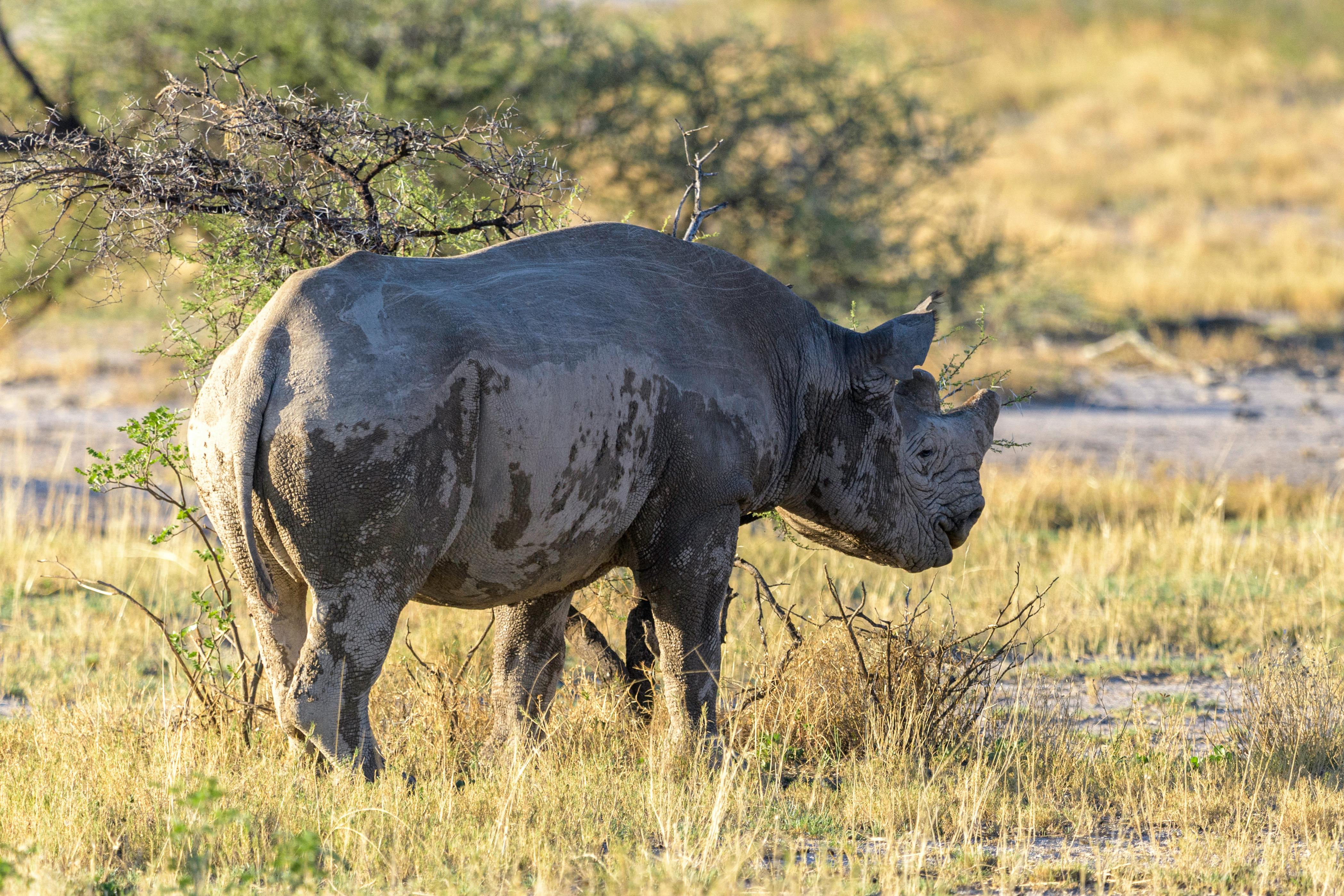
Namibia is a country of grand scale and silence, where German colonial history, Indigenous heritage, and raw desert geology meet in landscapes that feel almost mythic. It gained independence in 1990, yet its story stretches far deeper through San rock art traditions, pastoral cultures, and old trade routes that crossed desert and coast.
What makes Namibia unforgettable is not only its famous sights, but the way they arrive: a sudden line of flamingos on a lagoon, a dune taller than a city tower, a fog bank rolling over the Atlantic, ororyx standing like sculpture against red sand. Distances are long, roads are often gravel, and that is part of the romance; this is a country best experienced with patience, early starts, and a taste for the wild.
For practical travel, March is still warm, so pack sun protection, a light layer for cool mornings and coastal wind, and sturdy shoes for dunes and rocky terrain. Namibia is generally straightforward for independent travelers, but self-drive days can be long, fuel stops matter, and wildlife areas reward caution; the cuisine ranges from excellent game dishes and grilled seafood to German pastries, strong coffee, and memorable roadside braais.
Windhoek
Windhoek is often treated as a gateway, but it deserves more respect than a quick airport stop. Namibia’s capital sits in the central highlands and mixes civic history, good restaurants, craft shopping, and a surprisingly relaxed rhythm that helps ease you into the country.
The city’s landmarks tell a layered story: Christuskirche, the old fort area, Independence Memorial Museum, and the township districts each reveal a different Namibia. It is also one of the best places to get oriented before the bigger landscapes begin.
Where to stay: For a polished city base, consider The Olive Exclusive All-Suite Hotel. For a strong mid-range choice with central convenience, book Avani Windhoek Hotel & Casino. For budget-conscious travelers who still want atmosphere and helpful planning support, look at Chameleon Backpackers & Guesthouse or browse more options on VRBO Windhoek and Hotels.com Windhoek.
Getting there: For international flights into Windhoek, compare fares on Trip.com flights or Kiwi.com flights. Expect an airport transfer of roughly 40-45 minutes from Hosea Kutako International Airport into the city center.
Suggested activity: The Windhoek Historical City Tour Plus Township Tour ! is an excellent first-day choice because it gives historical context, local perspective, and an introduction to neighborhoods many visitors otherwise miss.

Where to eat: Start with slow mornings at cafés such as Krisjan’s Bistro for coffee and a proper breakfast plate, or craft-bakery favorites in the city center for fresh pastries. For lunch or dinner, Joe’s Beerhouse remains a classic for game meats and Namibia atmosphere; for something more contemporary, Stellenbosch Wine Bar and Bistro offers polished plates and a strong wine list in an intimate setting.
Day 1 - Arrival in Windhoek
Morning: In transit to Namibia.
Afternoon: Arrive in Windhoek, transfer to your hotel, and keep the first hours light. Settle in, hydrate, and take a gentle orientation walk around the city center if time and energy allow, passing Christuskirche and the surrounding civic quarter.
Evening: Have an early dinner at Joe’s Beerhouse for a first taste of Namibia; the menu often includes venison and grilled specialties, and the setting has enough personality to feel like the trip has truly begun. If you prefer a quieter first night, dine at your hotel and rest early for the long scenic drives ahead.
Day 2 - History, local life, and trip setup in Windhoek
Morning: Take the Windhoek Historical City Tour Plus Township Tour !. It is a smart way to understand the capital beyond postcard landmarks, with insight into both colonial-era sites and present-day township life.
Afternoon: Visit the Independence Memorial Museum area and browse local craft shops for carved wooden pieces, textiles, or jewelry before your desert leg begins. Have lunch at a reliable city bistro, then stock up on snacks, sunscreen, and water for the road.
Evening: Choose a more refined dinner at Stellenbosch Wine Bar and Bistro or another city restaurant focused on Namibian produce. Turn in early, because Day 3 begins your move into the desert.
Sossusvlei
Sossusvlei is the Namibia of the imagination: monumental dunes, dead camel thorn trees, harsh white pans, and sunrise colors that move from lavender to ember in minutes. It lies in the Namib-Naukluft region and rewards those willing to rise before dawn and embrace the road.
This is adventure travel at its most elemental. The budget sweet spot here is to stay just outside or near the park gateway in comfortable lodge-style accommodation, then focus your spending on scenery, not frills.
Where to stay: Sossusvlei Lodge is one of the most practical bases for park access. For value and independence, Desert Quiver Camp is a favorite. If you want a more dramatic desert setting, Le Mirage Resort & Spa offers striking architecture and comfort.
Travel from Windhoek: Depart in the morning by rental car or arranged road transfer; the drive to the Sossusvlei area typically takes about 5.5 to 6.5 hours depending on route, road conditions, and stops. For flights into Namibia or onward planning, keep Trip.com and Kiwi.com handy; for this inland route, overland travel is the logical choice.
Suggested activity: If you prefer not to self-organize the desert section, the 3-Day Sossusvlei and Namib Desert Safari Tour from Windhoek is a strong fit for an adventurous traveler who wants logistics handled.

Where to eat: Most dining here is lodge-based, and that is not a compromise; many properties offer hearty breakfast spreads, sundowner decks, and satisfying dinners after long desert days. If staying at Desert Quiver Camp, self-catering is possible, while nearby lodge restaurants provide reliable breakfasts, grilled meats, and local vegetables.
Day 3 - Windhoek to Sossusvlei
Morning: Leave Windhoek after breakfast for the drive south-west into the Namib. The route is part of the experience: mountain passes, gravel roads, and long open views make this one of the most cinematic travel days in southern Africa.
Afternoon: Arrive at your lodge, check in, and spend the hottest hours resting by the pool or taking in the desert plain from your terrace. Have a late lunch or light meal, then prepare camera gear, water, and layers for an early start the next day.
Evening: Head out for a sundowner if your lodge offers one, or simply watch the light drop over the dunes and distant mountains. Dinner at the lodge is the easiest and best option tonight, with an early bedtime to make sunrise worthwhile.
Day 4 - Sossusvlei, Deadvlei, and Sesriem Canyon
Morning: Set out before dawn for Sossusvlei. Climb Dune 45 if you want a classic sunrise view, then continue to Deadvlei, where the blackened trees and pale pan under towering red dunes create one of Namibia’s most extraordinary scenes.
Afternoon: Return for a proper lunch and short rest, then visit Sesriem Canyon. Its narrow passages and sculpted rock walls offer a different kind of desert beauty and are especially rewarding when the light softens later in the day.
Evening: Enjoy dinner under the stars at your lodge. With almost no urban light, this is prime stargazing country; even an hour outside after dinner can feel like a private observatory.
Day 5 - Desert adventure day in Sossusvlei
Morning: Keep this morning flexible based on your travel style. Adventurous travelers can revisit the dunes for photography, a nature drive, or simply slower exploration away from the first-day rush.
Afternoon: Spend the midday hours at leisure, perhaps with a shaded terrace lunch and a swim. This pause helps balance the trip and keeps the pace sustainable before the next road transfer.
Evening: Have a final desert sunset and dinner at your lodge. If you prefer a more structured option instead of independent planning, this is the portion of the trip that aligns well with the 3-Day Sossusvlei and Namib Desert Safari Tour from Windhoek or the more rugged 2 Days Sossusvlei Private Camping Tour for travelers who want the desert in a more elemental form.

Swakopmund
Swakopmund is Namibia’s great change of mood: after inland heat and red sand, you reach sea air, old German façades, bakeries, seafood, and a long Atlantic horizon. It is also the country’s adventure capital, making it an ideal match for a traveler who asked for an adventurous vibe on a moderate budget.
The town itself is pleasant and walkable, but its real brilliance lies in the excursions around it. Walvis Bay lagoon, Sandwich Harbour, quad biking, sandboarding, catamaran cruises, and kayaking all sit within easy reach.
Where to stay: For sea views and a front-row location, choose Strand Hotel Swakopmund. For a stylish mid-range stay, book The Delight Swakopmund. For travelers keeping closer watch on costs, Swakopmund Backpackers is a solid base. You can also compare stays on VRBO Swakopmund and Hotels.com Swakopmund.
Travel from Sossusvlei: Leave in the morning for Swakopmund; the overland journey usually takes about 5 to 6 hours, often via Solitaire and the Kuiseb Pass. It is a scenic transfer day, so start early and aim to arrive with daylight to enjoy the coast.
Suggested activities: Swakopmund and nearby Walvis Bay have the strongest Viator lineup in Namibia. Top picks for this itinerary are the Marine Dune Day: Catamaran Cruise and Sandwich Harbor Dune Drive, the 3-Hour Quad Biking and Sand-Boarding Combo from Swakopmund, and the Dolphin and Seal Catamaran Cruise.


Where to eat: For breakfast and coffee, try Village Café for dependable espresso and light brunch dishes, or a local German-style bakery for pastries. For lunch, The Tug is a classic seafood stop with harbor views, while dinner at Jetty 1905 is ideal for oysters, line fish, and sunset atmosphere; for something more casual, seek out a good wood-fired pizza or schnitzel spot in town.
Day 6 - Sossusvlei to Swakopmund
Morning: Depart the desert after breakfast and drive toward the Atlantic coast. Watch the landscape change from towering inland dunes to gravel plains and then to the cooler marine climate around Swakopmund.
Afternoon: Check in and take an easy town walk along the promenade, jetty area, and central streets lined with historic buildings. Stop for coffee and cake; Swakopmund’s café culture is one of Namibia’s most pleasant surprises.
Evening: Dine at The Tug or Jetty 1905 for seafood and ocean views. The contrast with your desert nights will be striking: salt air, gulls, foggy light, and a town that feels both African and unmistakably shaped by Europe.
Day 7 - Marine life and dunes on the coast
Book the Marine Dune Day: Catamaran Cruise and Sandwich Harbor Dune Drive for one of the best full adventure days in Namibia. It combines ocean wildlife with the astonishing point where the Namib’s dunes run directly into the Atlantic, a landscape so dramatic it often becomes the emotional high point of the trip.
This excursion suits your adventurous brief perfectly because it offers movement, wildlife, scenery, and a strong sense of place without requiring extreme fitness. If that specific departure is unavailable, excellent alternatives include the Scenic Sandwich Harbour Tour or the Mola Mola Day with Beach Braai Lunch.


Evening: Keep dinner relaxed after a full excursion day. A seafood platter, cold Namibian beer, and an early night work well here.
Day 8 - Swakopmund adrenaline day
Morning: Start with coffee and breakfast in town, then head out for the 3-Hour Quad Biking and Sand-Boarding Combo from Swakopmund. This is one of the best-value adventure experiences in the area and gives you a direct, playful encounter with the coastal dunes.
Afternoon: Spend the afternoon exploring Swakopmund itself. Visit the jetty, browse local galleries and curio shops, and if you want a gentler cultural layer, consider the Cruise Liner Special: Swakopmund Historical City Tour for architecture and town history.

Evening: Have dinner at a bistro or brewery-style restaurant in town. This is a fine night to order fresh oysters if available, or a hearty German-Namibian dish such as schnitzel, sausages, or grilled fish with local vegetables.
Day 9 - Walvis Bay lagoon and flexible coastal exploring
Morning: Take a short drive to Walvis Bay for lagoon views, flamingos, and a more working-harbor perspective on the coast. If you want another water-based experience, the Dolphin and Seal Catamaran Cruise is a fine half-day outing.
Afternoon: Return to Swakopmund for a late lunch and last stroll through town. This is a good time for souvenir shopping, a final café stop, or simply watching the Atlantic from the promenade as fog curls over the sand.
Evening: Make your final Namibia dinner count with a table overlooking the water. Toast the trip with local wine or beer and one last seafood meal before heading back inland tomorrow.
Day 10 - Swakopmund to Windhoek and departure
Morning: Depart Swakopmund early for the return drive to Windhoek, which generally takes about 4.5 to 5 hours. Leave enough buffer time for fuel, road conditions, and airport procedures.
Afternoon: Arrive in Windhoek and continue to the airport for departure. If your schedule allows a little spare time before check-in, grab a simple lunch in the city rather than rushing the day.
Evening: In transit home, with red dunes, cold sea air, and desert stars still fresh in mind.
This 10-day Namibia itinerary is designed for travelers who want the country’s three essential moods: capital-city context, the grandeur of Sossusvlei, and the adventure-rich coast around Swakopmund. It keeps the budget around a sensible middle range while still delivering the experiences people cross continents for.
If you return to Namibia one day, the obvious next step is Etosha National Park for a deeper safari focus. For this first journey, though, you will leave with a sharp, memorable portrait of one of Africa’s most visually astonishing destinations.