
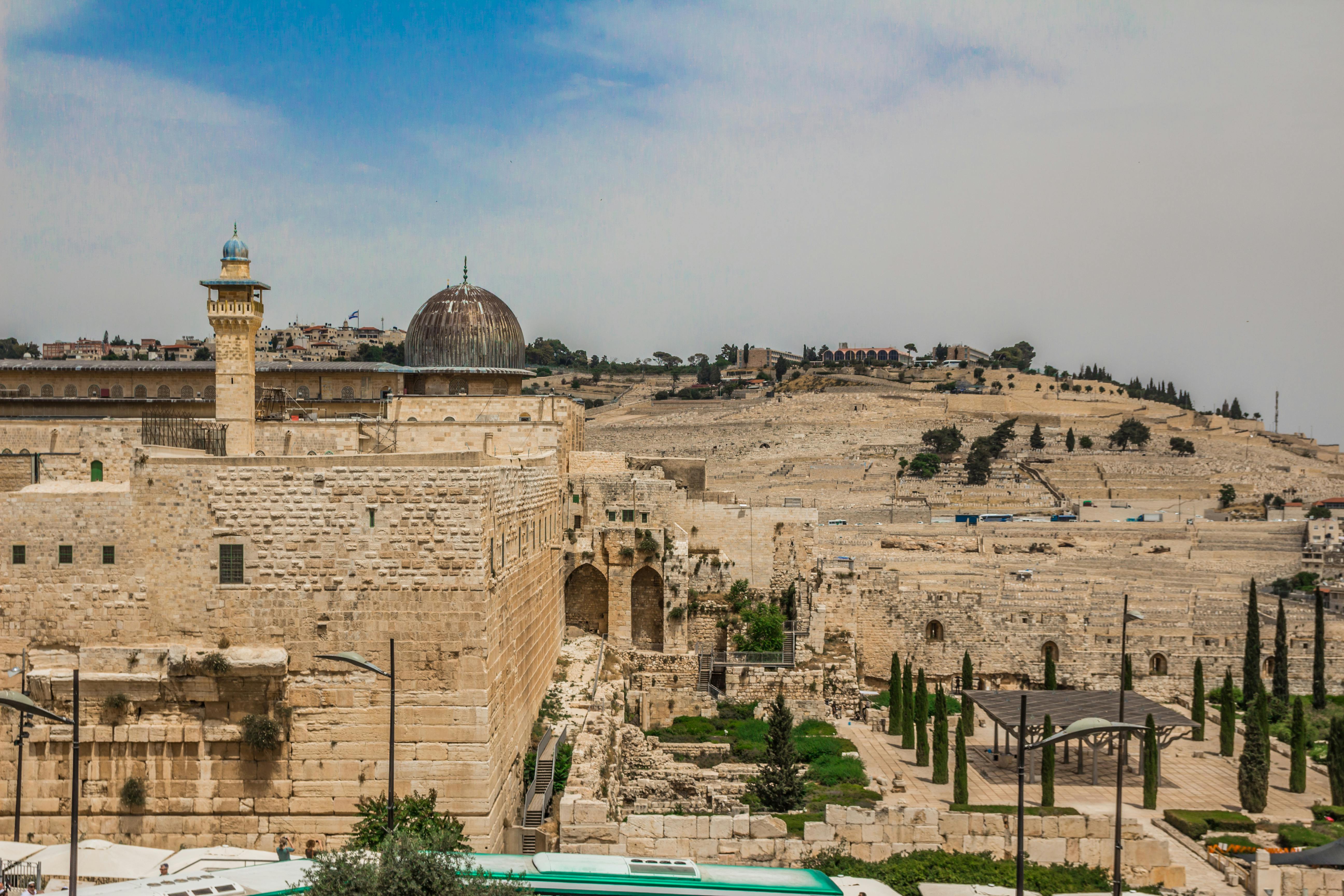
Jerusalem is a city where every cobblestone seems to carry a story. For millennia it has been revered by Jews, Christians, and Muslims, layering sacred sites, bustling souks, and quiet monasteries into one compact, walkable stage. You’ll feel it most at dawn on the Mount of Olives, or in the hush of the Church of the Holy Sepulchre.
Beyond history, Jerusalem hums with modern energy. Mahane Yehuda Market fizzes with spice stalls, boutique bakeries, and tiny bars that switch on the music after dark. The Israel Museum anchors a serious art-and-archaeology scene, while cafes in the German Colony and Ein Kerem offer leafy respites between visits.
Practical notes: Fridays at sundown through Saturday night is Shabbat—public transport largely pauses and many shops close, while taxis and some restaurants remain open. Dress modestly for holy sites (covered shoulders/knees) and carry water for hilly walks. Check current travel advisories and, for West Bank day trips, consider vetted operators who handle permits and checkpoints.
Jerusalem
Jerusalem’s Old City quarters—Jewish, Christian, Muslim, and Armenian—unfurl like a living museum. Highlights include the Western Wall, the Dome of the Rock/Al-Aqsa compound (dress conservatively; hours vary), and the Church of the Holy Sepulchre with its ancient Aedicule. The Ramparts Walk on the city walls provides panoramic views and context.
The “New City” offers contrasts: the Shrine of the Book at the Israel Museum (home to the Dead Sea Scrolls), memorial galleries at Yad Vashem, street art and small synagogues in Nachlaot, and the culinary playground of Mahane Yehuda. Evenings can mean intimate wine bars, lively live-music spots, or rooftop terraces looking toward Jaffa Gate.
Where to stay: Base yourself near Mamilla/City Center for easy walking to the Old City and tram access; choose the German Colony for leafy streets and cafes; or Ein Kerem for village vibes. Browse stays and compare neighborhoods here: Search Jerusalem stays on VRBO and Search Jerusalem hotels on Hotels.com.
Getting there: Fly into Tel Aviv (TLV). Nonstop flights are ~10–11 hours from New York and ~5 hours from London. Compare fares on Trip.com flights, Omio flights (to/from Europe), and Kiwi.com flights. From TLV to Jerusalem, take the fast train (~22–30 minutes; ~₪20–25) via Trip.com trains or a taxi (45–60 minutes depending on traffic).
Day 1: Arrival, First Taste of the City
Afternoon: Arrive and check in near Mamilla/City Center for easy walking. Stretch your legs on a gentle loop: Jaffa Gate to the Mamilla promenade, pausing for your first view of the Old City walls. Coffee and something sweet at Kadosh (Jerusalem institution; try the pistachio croissant or seasonal babka).
Evening: Early dinner at Azura in Mahane Yehuda for Kurdish-Iraqi stews, kubbeh soup, and silky hummus. Stroll the market’s alleys as bars awaken: sip an Israeli craft beer at BeerBazaar or settle into Gatsby, a speakeasy mixing precise classics. If you prefer a view, the Rooftop restaurant-bar near Mamilla looks to the Tower of David—perfect for a first-night toast.
Day 2: The Old City—Stones that Speak
Morning: Begin on the Mount of Olives for a sweeping panorama, then descend to the Church of All Nations and Gethsemane’s ancient olives. Enter the Old City via Lion’s Gate to walk segments of the Via Dolorosa, ending at the Church of the Holy Sepulchre. Snack stop: fresh pomegranate juice and a warm ka’ak bread ring near the Christian Quarter.
Afternoon: Explore the Jewish Quarter’s Cardo and the Western Wall. If you want expert storytelling and efficient routing, join the Old City of Jerusalem Guided Walking Tour (typically 4–6 hours; ~$45–$70), which threads together key sites and history.

Evening: Dinner at The Eucalyptus, where Chef Moshe Basson riffs on “biblical cuisine” with native herbs (try the maqluba or wild-foraged starters). For a casual alternative inside the walls, Hummus Lina serves a superb, warm masabacha. Cap with kanafeh at Jaffar Sweets by Damascus Gate.
Day 3: Mount of Olives Ridges, City of David, and Tunnels
Morning: Return to the Mount of Olives cemeteries and viewpoints, stepping into the small, teardrop-shaped Dominus Flevit Church. Continue to the City of David archaeological park: trek through Hezekiah’s Tunnel (water shoes and headlamp recommended; a dry route exists) to the Pool of Siloam.
Afternoon: Visit the Davidson Center Archaeological Park and Southern Wall excavations, then book the Western Wall Tunnels tour to see massive Herodian stones beneath the Old City (reserve ahead; times vary). Late coffee at Tmol Shilshom, a bookish cafe tucked in a historic courtyard off Yoel Moshe Salomon St.
Evening: Dine at Mona (modern Israeli cuisine in the historic Artists’ House; seasonal tasting menu and a smart wine list). Nightcap on the Mamilla promenade or at Sira, a tiny, artsy bar beloved by locals.
Day 4: Museums and Market Flavors
Morning: Israel Museum: prioritize the Shrine of the Book (Dead Sea Scrolls) and the Second Temple Period Model; then browse contemporary galleries or the outdoor sculpture garden. Light lunch at the museum cafe or head to Ofaimme at Hansen House for farm-to-table dairy plates in a leafy complex.
Afternoon: Reflect at Yad Vashem (allow 2–3 hours; closed Saturdays and some holidays). The museum is sobering and brilliantly curated; plan a quiet coffee afterward in Rehavia’s Cafe Yehoshua to decompress.
Evening: Join the Mahane Yehuda Jewish Market Food Tasting Tour (~2–3 hours; ~$55–$75) to meet vendors and sample classics—Malawach, kubbeh, boutique tahini, and spice blends. After, grab a stool at Yudale (the sister bar to Machneyuda) for small plates and energy, or try Machneyuda itself for the famous polenta with mushrooms (book well ahead).

Day 5: Bethlehem and the Judean Hills
Morning: Cross to Bethlehem (West Bank). At Manger Square, visit the Church of the Nativity—peer down into the Grotto marking the traditional birthplace. Expect queues; conservative dress is essential. Many travelers prefer an organized tour to handle checkpoints and local guiding.
Afternoon: If time allows, continue to Shepherds’ Field or Herodium (Herod’s palace-fortress overlooking the Judean Hills). Return to Jerusalem via checkpoint; carry passports and allow buffer time.
Evening: Dinner in the German Colony along Emek Refaim—try Caffit (Jerusalem-style salads, mazettim, and generous pastas) or Hamotzi (North African recipes by Chef Moshe Botrino; the couscous royale is a favorite). Stroll the First Station (Tachana Rishona) for dessert stands and buskers.
Day 6: Day Trip—Masada and the Dead Sea
Join the Masada and the Dead Sea Day Trip from Jerusalem (~9–10 hours; ~$110–$140). Ride the cable car to King Herod’s desert fortress, trace the Roman ramp and storied siege, then descend to float in the hyper-saline Dead Sea. Pack water, a hat, sandals, and avoid shaving right before the float. Many tours include Ein Gedi viewpoints or spa stops; bring a swimsuit and a light change of clothes.

Day 7: Ein Kerem, Sataf Springs, and Sunset Vistas
Morning: Head to hillside Ein Kerem, a village-like neighborhood of stone lanes, studios, and churches. Visit the Church of the Visitation and St. John the Baptist, then linger over brunch at Pundak Ein Kerem (Shakshuka and fresh salads) or a pastry at Sweet Ein Kerem.
Afternoon: Short hike at Sataf Nature Reserve (20–25 minutes’ drive): terraces, springs, and views of forested wadis—great for a 1–2 hour loop. Coffee back in town at The Coffee Mill (German Colony), a local roaster with single-origin pours.
Evening: Rooftop dinner with a view of the Old City—consider Mamilla-area terraces for grilled fish, fresh salads, and Israeli wines. For a lively option, return to Mahane Yehuda’s after-dark scene—small plates at Hatzot (classic Jerusalem mixed grill) and an arak cocktail at a market bar.
Day 8: Day Trip—Caesarea, Haifa, and Akko
Trade desert hues for the Mediterranean. The Caesarea, Haifa and Akko Tour from Jerusalem (~10–12 hours; ~$100–$130) explores Herod’s seaside city (Roman theater, aqueduct), Bahá’í Terraces in Haifa (iconic photo stop), and Crusader tunnels and souks in Akko. Expect an early start and a late return; bring sunscreen and comfortable shoes for cobblestones.

Day 9: Neighborhoods, Crafts, and Conversation
Morning: Wander Nachlaot’s labyrinth of narrow lanes, murals, and tiny synagogues; grab a bureka and espresso at a market kiosk. Continue to the Museum of Islamic Art (rare timepieces and exquisite calligraphy) if you’re craving a quieter collection.
Afternoon: Browse the Old City’s Armenian ceramics and olive-wood workshops—haggle politely and look for artisan signatures. Walk the Southern Ramparts from Jaffa Gate for skyline views. Late lunch at Hummus Ben Sira (downtown) for a warm bowl topped with mushrooms or ful.
Evening: Treat yourself to a tasting menu at Pergamon (vegetable-forward Levantine plates) or a wine flight at a compact bar pouring boutique Israeli labels from the Judean Hills and Galilee. If it’s Friday, consider a hosted Shabbat dinner experience to witness songs and rituals in a communal setting; book ahead and plan for a leisurely evening.
Day 10: Last Looks and Departure
Morning: Visit the revitalized Tower of David Jerusalem Museum (the citadel by Jaffa Gate) for a succinct, tech-forward sweep of the city’s history, or take a final spin through your favorite quarter for gifts—spices, halva, ceramics, and hand-hammered mezuzot are enduring keepsakes. Coffee and rugelach at Marzipan Bakery to go.
Afternoon: Check out and transfer to the airport. If you’re rail-bound, the fast train from Jerusalem Yitzhak Navon Station to Ben Gurion is ~22–30 minutes. Compare any last-minute flight changes on Trip.com flights or Omio flights.
Local dining favorites to bookmark:
- Machneyuda and Yudale: exuberant, seasonal menus next to the market; reserve for Machneyuda.
- Azura: slow-cooked stews, kubeh, and Iraqi-Jerusalem comfort dishes; lunch is best.
- The Eucalyptus: “biblical” herbs and foraged flavors; outdoor patio when weather allows.
- Mona: refined, produce-driven cooking in a historic art school; excellent Israeli wines.
- Caffit and Hamotzi: casual Jerusalem staples—big salads, fresh pasta, and North African classics.
- Kadosh, Tmol Shilshom, The Coffee Mill: coffee-and-pastry sanctuaries with personality.
Getting around: The Jerusalem Light Rail and buses use a reloadable Rav-Kav card (or contactless on many routes). Taxis are plentiful (metered; the Gett app is popular). Walking is often fastest inside the center—shoes for hills and slippery stone are essential.
Where to book:
- VRBO — Jerusalem apartments and family stays
- Hotels.com — compare hotel deals by neighborhood
- Trip.com — global flights | Omio — flights within/to Europe | Kiwi.com — multi-city flight options
- Trip.com — trains (airport–Jerusalem fast rail)
In ten days, you’ll trace Jerusalem’s story from Bronze Age walls to buzzing market bars, then widen the lens to deserts and the Mediterranean. Expect moments of awe, reflection, and joy—often on the same street. Come ready to walk, taste, and listen; Jerusalem rewards curiosity at every turn.