
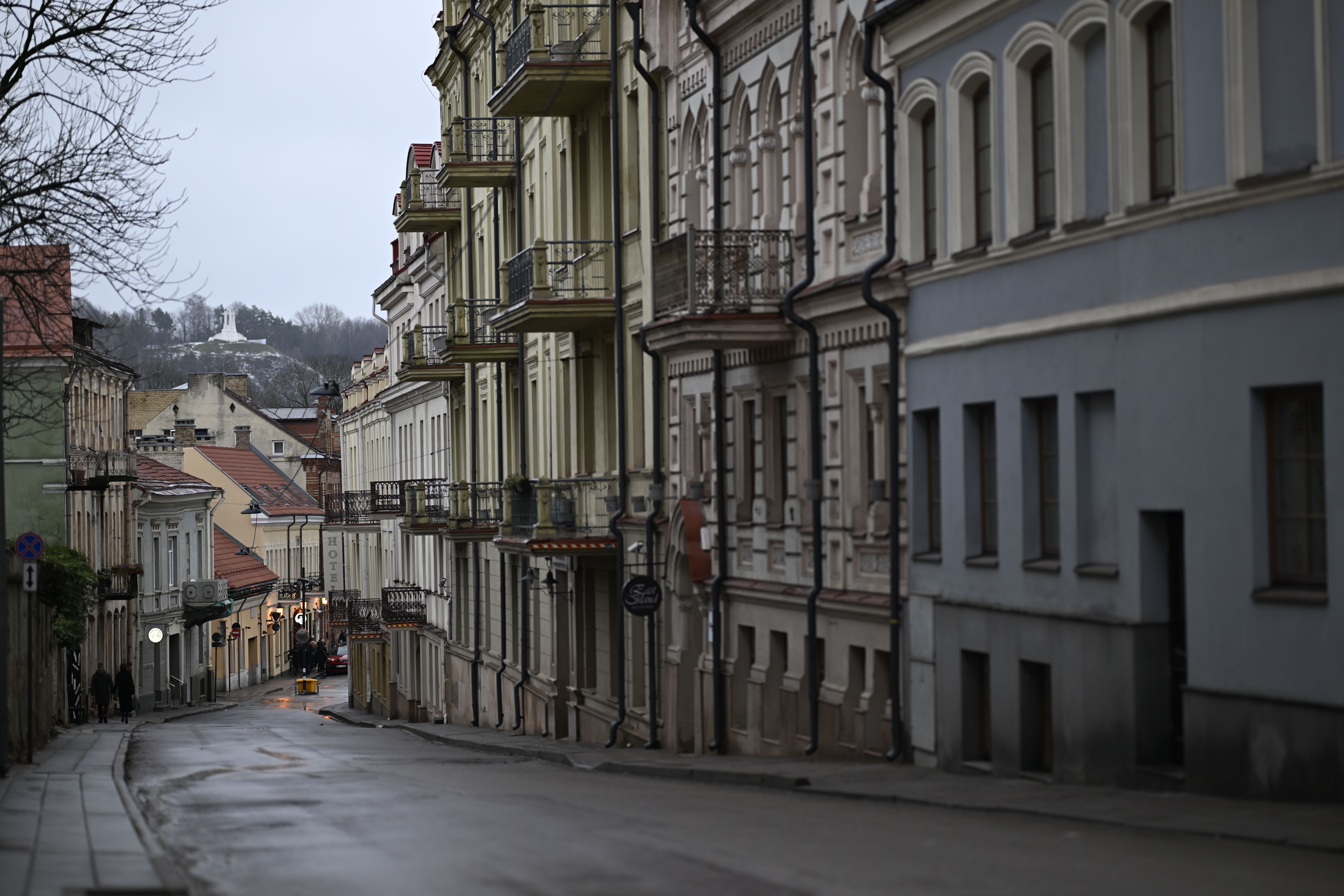
Vilnius is the kind of capital that rewards slow wandering. Its Old Town, one of the largest in Central and Eastern Europe, is a UNESCO-listed maze of baroque church domes, hidden courtyards, and cobbled lanes that seem designed to make you lose your way on purpose. For centuries this was a crossroads of Lithuanian, Polish, Jewish, Belarusian, and Russian life, and you can still read that layered history in its architecture and street names.
The city is small enough to cross on foot yet full of surprises: a self-declared artists' republic with its own constitution, a riverside bohemian quarter, Soviet-era relics turned museums, and pine forests that begin almost at the tram stop. After decades behind the Iron Curtain, Vilnius has become one of Europe's most quietly confident cities, with a third-wave coffee culture, an ambitious dining scene, and a youthful energy fueled by students and tech workers.
Best of all, it remains refreshingly uncrowded and affordable compared with bigger European capitals. You can spend a morning in a Renaissance courtyard, lunch on pink chilled beetroot soup, and end the day with craft beer in a former factory, all without fighting through tour groups.
Late spring through early autumn (May to September) is the sweet spot, with long days, cafe terraces in full swing, and warm but rarely hot weather. June brings near-endless daylight and festivals; the Vilnius Culture Night and Midsummer (Jonines) are worth timing for. July and August are peak and liveliest, while September offers golden light and thinner crowds. Winters are long, dark, and cold (often below freezing), but the Christmas market on Cathedral Square and a famously elaborate city Christmas tree make December genuinely magical if you bundle up.
Vilnius Airport (VNO) sits just 6 km from the center; the train to the main station takes about seven minutes, and Bolt ride-hail to the Old Town runs cheap. The city is best explored on foot, as the Old Town is compact and walkable. For longer hops, the bus and trolleybus network is efficient and inexpensive (buy a Vilniecio Kortele card or pay by app), and Bolt is the go-to for door-to-door rides. Skip renting a car unless you are heading out for day trips, since Old Town parking is tight and largely unnecessary.
Neighborhoods & hotels


Skip the research, get a day-by-day Vilnius plan
Tell us your dates and pace; we'll build the itinerary around these picks.
Best Coffee Shops
Vilnius takes its coffee seriously, with a cluster of independent roasters that would hold their own in any European capital.


Where to Eat Breakfast & Brunch


Where to Eat Dinner
Vilnius dining ranges from soulful Lithuanian classics to ambitious modern tasting menus, almost always at fair prices.


Bars & Nightlife
Top Things to Do & See
Vilnius packs centuries of history into a walkable center, from baroque churches to Soviet-era museums and a bohemian republic.


Tours Worth Taking
A good guide brings Vilnius's tangled history to life, whether the focus is the Old Town, its Jewish heritage, or the Soviet years.


Day Trips Worth Taking
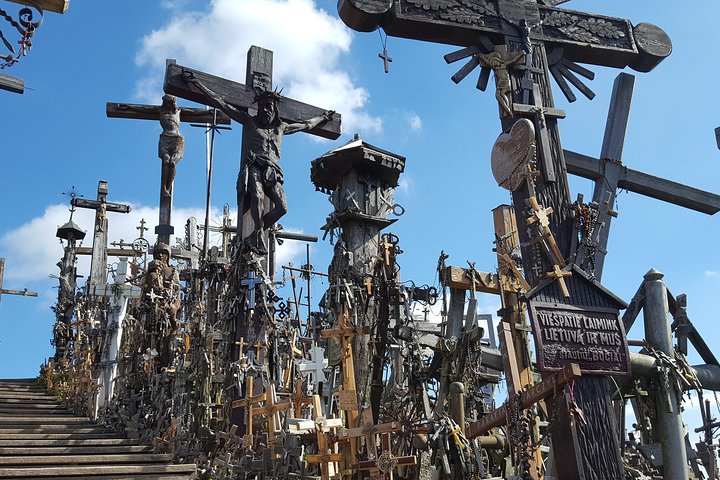
Some of the region's most striking sights are an easy ride from the capital, from a lakeside castle to a hill of crosses.



Markets & Shopping
Before you visit
Plan-ahead checklist
Vilnius is a city that gives more the longer you stay: baroque grandeur and bohemian rebellion, sobering history and easy, affordable pleasures, all within an Old Town you can cross on foot. Pair it with a lakeside castle at Trakai or a longer Baltic loop, and you have one of Europe's most rewarding and underrated trips. Start planning, and let Vilnius surprise you.
Top-Rated Places to Eat, See & Stay
Explore Vilnius
Build your own Vilnius trip
Tell us how many days, your budget, and what you're into. We'll turn it into a custom, day-by-day Vilnius itinerary.