
Vienna vs Prague: Which Central European Capital Should You Visit?

Two imperial cities, two very different moods. Here's how to choose between Habsburg grandeur and Bohemian romance.
Vienna vs Prague: Which Central European Capital Should You Visit?
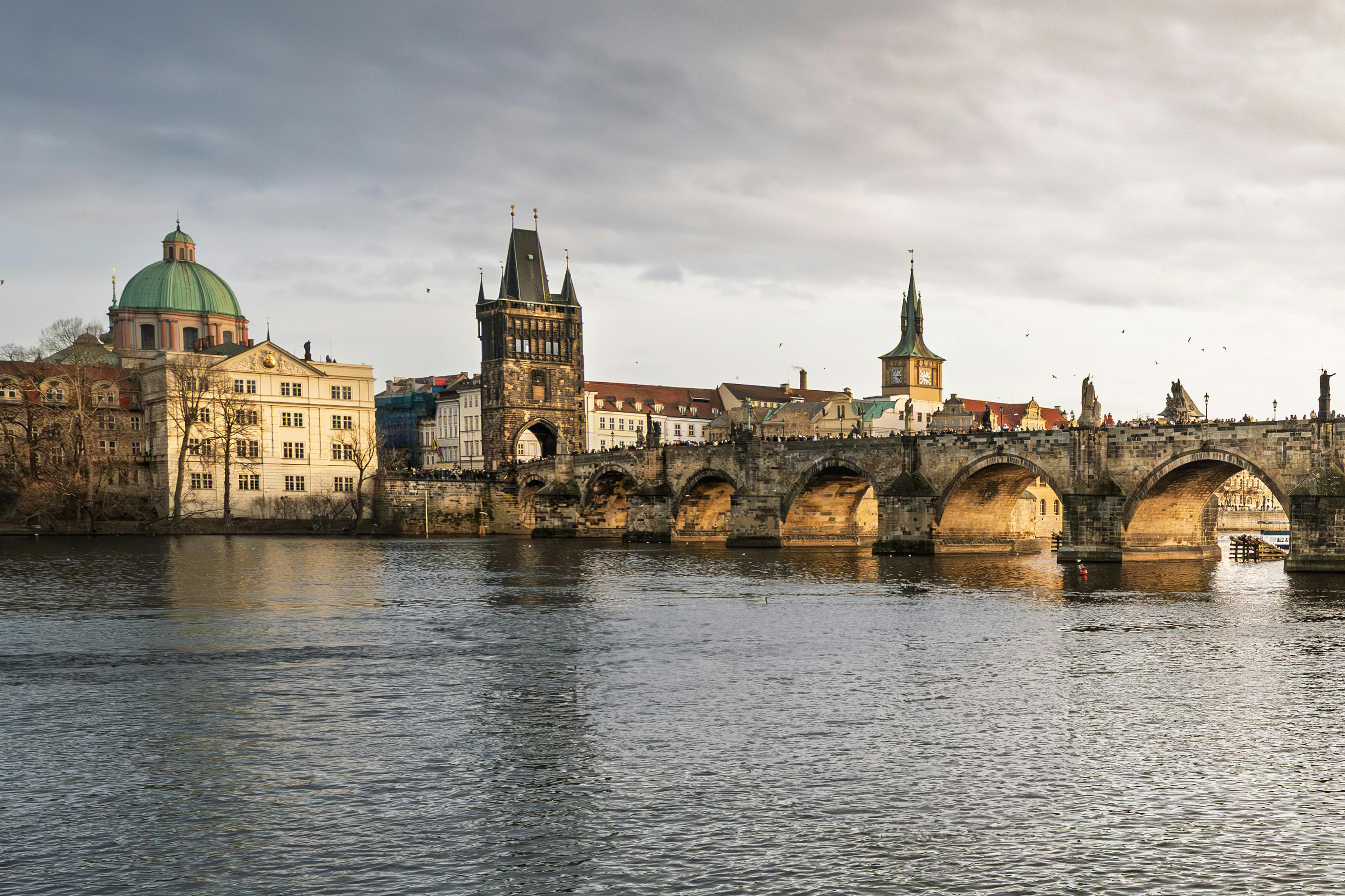
Historic Charles Bridge in Prague with iconic architecture and river view. · Marcelo Gonzalez

Vienna and Prague sit barely four hours apart by train, share a tangled Habsburg history, and both reward visitors with spires, coffee houses, and grand riverside architecture. Yet they feel like cousins rather than twins. Vienna is polished, monumental, and unhurried, a city that wears its imperial wealth with quiet confidence. Prague is denser, more theatrical, and a touch more chaotic, a fairy-tale jumble of Gothic and Baroque that photographs like a film set.

The choice usually comes down to mood and budget. Vienna offers world-class museums, opera, and a refined cafe culture, but it costs more and rewards slow appreciation. Prague is cheaper, more compact, easier to fall in love with at first sight, and famously walkable, though its center can feel overrun in peak season.

Below is an honest, head-to-head breakdown of how they compare on the things that actually decide a trip, so you can match the city to the kind of traveler you are.

Vienna vs Prague

Vienna
Prague
Vibe & first impressions
Vienna feels stately and orderly: wide Ringstrasse boulevards, palatial facades, and a calm, prosperous hum. The grandeur of the Hofburg and Schonbrunn signals empire, and the pace is measured rather than dramatic.
Prague hits you immediately with romance: the Astronomical Clock, the spiky towers of Old Town Square, and Charles Bridge at dawn. It's more compact and atmospheric, with a slightly bohemian, lived-in edge once you climb away from the tourist arteries.
Things to do & sights
Vienna is a museum heavyweight: the Kunsthistorisches Museum, the Belvedere (home to Klimt's 'The Kiss'), the Albertina, and the sprawling MuseumsQuartier. Add the Spanish Riding School, Schonbrunn Palace, and the State Opera and you can fill days with high culture.
Prague's joy is the city itself: Prague Castle and St. Vitus Cathedral, the Charles Bridge, the Jewish Quarter (Josefov), and the John Lennon Wall. It's lighter on blockbuster museums but unbeatable for simply wandering and absorbing the architecture.
Food & drink
Vienna delivers refined classics: Wiener schnitzel, Tafelspitz, and the legendary coffee-house ritual at Cafe Central or Demel, plus Sachertorte and apple strudel. The Naschmarkt is great for grazing, and the wine taverns (Heuriger) in the hills are a local highlight.
Prague is hearty and beer-soaked: roast pork with dumplings, goulash, and trdelnik (touristy but fun), washed down with some of the world's best and cheapest pilsner. The pub culture (try a traditional hospoda) is central to the experience and far more relaxed on the wallet.
Cost
Vienna is noticeably pricier, with Western European prices on hotels, restaurants, and museum tickets. It's excellent value for what you get, but budget travelers will feel it.
Prague remains one of Europe's better-value capitals despite rising prices. Beer, meals, and lodging stretch much further here, making it the clear winner for cost-conscious travelers, though central-square restaurants overcharge tourists.
Getting there & around
Vienna International Airport is a major hub with excellent rail links, and the city's U-Bahn, trams, and buses are clean, punctual, and easy. Everything runs on time, German-Austrian style.
Prague's Vaclav Havel Airport is well connected to Europe, and the metro plus extensive tram network covers the city cheaply. The historic core is compact and best explored on foot; cobblestones make comfortable shoes essential.
Crowds
Vienna absorbs tourists more gracefully thanks to its size and spread-out attractions; even in summer it rarely feels suffocating. Lines form at Schonbrunn, but the city breathes.
Prague's tiny medieval center concentrates crowds intensely around Charles Bridge and Old Town Square, especially midday in summer. Early mornings and the streets of Mala Strana or Vinohrady offer welcome relief.
When to go
Vienna shines from May to September and again during its famous Christmas market season (late November into December). Winters are cold but the cultural calendar (opera, concerts, balls in January-February) is in full swing.
Prague is loveliest in late spring and early autumn, when the light is golden and crowds thin slightly. December brings magical (and busy) Christmas markets; January and February are quiet, cold, and atmospheric.
Day trips
From Vienna you can reach Bratislava in about an hour, the Wachau Valley wine region along the Danube, and the abbey town of Melk. Budapest is also an easy train ride for a longer excursion.
From Prague, Kutna Hora (with its eerie bone church), the spa town of Karlovy Vary, and the castle at Cesky Krumlov are all popular. Cesky Krumlov in particular is a storybook detour worth an overnight.

Vienna is best for

Travelers who love museums, classical music, refined food, and orderly elegance, and don't mind paying more for polish.

Prague is best for

Travelers chasing romantic atmosphere, walkability, great cheap beer, and fairy-tale views on a friendlier budget.

The Verdict

Pick Vienna if you want depth: world-class art, opera, coffee houses, and imperial grandeur worth lingering over. Pick Prague if you want immediate magic, a compact walkable core, and better value. With four hours of train between them, the honest best answer is often both, with Prague first to fall in love and Vienna second to settle in.

Whichever you choose, book key tickets and central lodging early in peak season, and consider pairing the two into one unforgettable Central European loop.

Ready to book your trip?

Search Hotels
Search Homes

Traveling somewhere else?

Generate a custom itinerary