
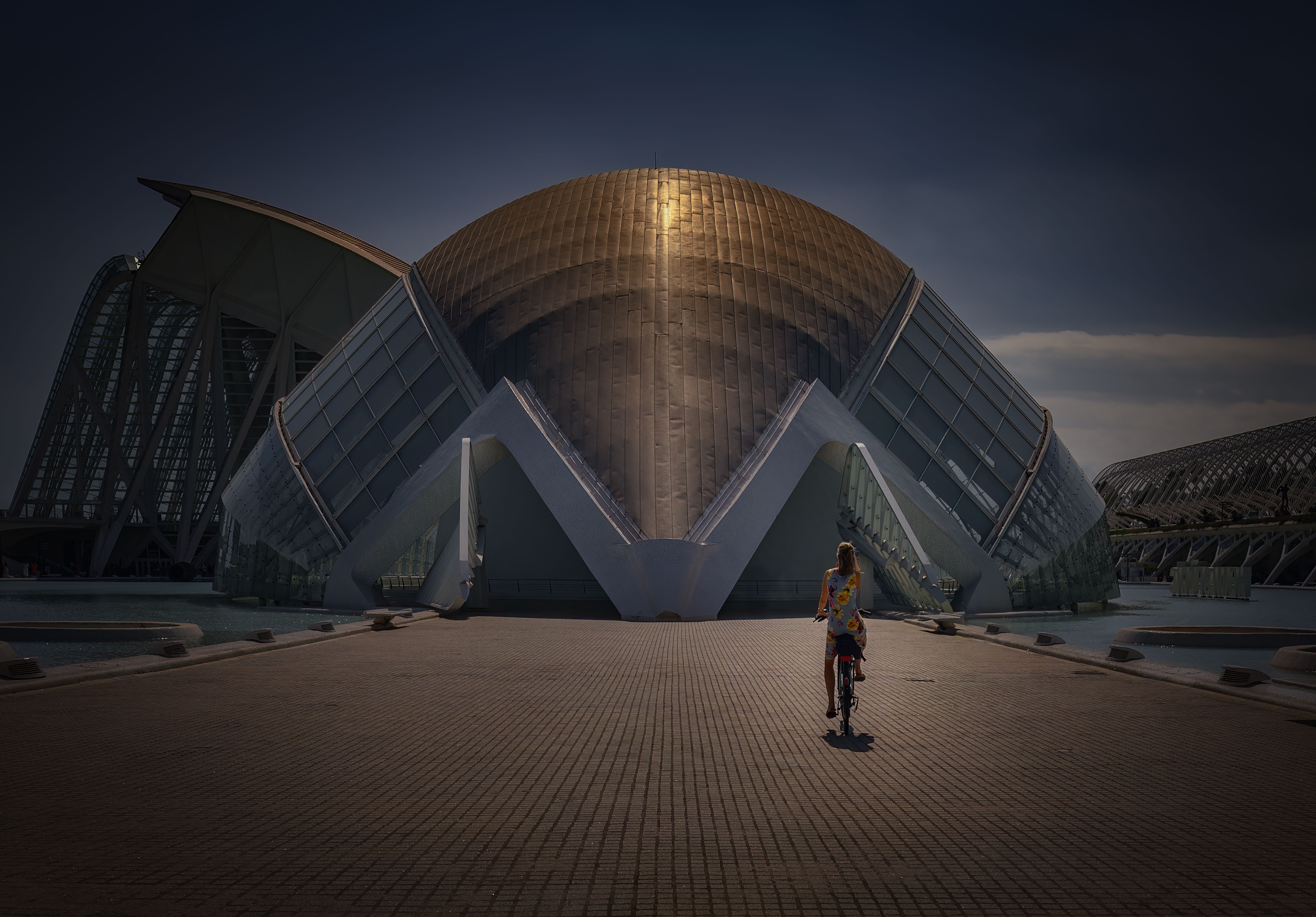
Valencia is the Mediterranean city Spain seems to keep slightly to itself. It is the country's third-largest city, yet it never feels overrun the way Barcelona can, and it rewards visitors with a rare combination: a dense medieval old town, a riverbed turned into nine kilometers of green park, Calatrava's space-age architecture, and a wide sandy beach all within easy reach.
This is the birthplace of paella, and food is woven into daily life here, from the orange groves of the surrounding huerta to the rice paddies of the Albufera lagoon. The Central Market, one of Europe's largest covered food halls, still hums with shoppers buying the day's fish and produce under a stained-glass dome.
Add reliable sunshine, a flat and bikeable layout, prices noticeably gentler than Madrid or Barcelona, and a calendar anchored by the riotous Fallas festival, and you have one of the most livable, likable cities in Spain.
Spring and early autumn are ideal: April to June and September to October bring warm, dry days, swimmable sea by late spring, and lighter crowds. July and August are hot and humid, though the beach and evening sea breeze help. The marquee event is Las Fallas in mid-March, when the city erupts with towering papier-mache sculptures, daily firecracker mascletas, and all-night street parties before everything is burned on the final night; book accommodation months ahead if you come for it. Winters are mild and quiet, with crisp sunny days and very low prices.
Valencia Airport (VLC) sits about 8 km west of the center and connects to it by Metro lines 3 and 5 in roughly 25 minutes, or a taxi for around 20 to 25 euros. The city is compact and flat, made for walking and cycling; the extensive Valenbisi bike-share and rental shops make two wheels the local default. An efficient metro and tram network reaches the beach and outskirts, and ride-hail apps (Cabify, Uber, FreeNow) work well. You will rarely need a car except for day trips into the countryside.
Neighborhoods & hotels


Skip the research, get a day-by-day Valencia plan
Tell us your dates and pace; we'll build the itinerary around these picks.
Best Coffee Shops
Valencia's specialty coffee scene has grown fast, concentrated in Ruzafa and the old town.


Where to Eat Breakfast & Brunch
Start like a local with horchata and fartons, or join the brunch crowd in Ruzafa.


Best Restaurants & Where to Eat Paella
From rice cooked over wood fire to modern tapas, Valencia eats exceptionally well. Remember that authentic paella is a lunchtime dish.


Top Things to Do & See
Valencia's must-sees range from a futuristic science complex to a UNESCO-listed silk exchange.


Experiences Worth Booking
Cook the city's signature dish, ride to the beach, or eat your way through the tapas bars.


Bars & Nightlife
Valencia drinks late and easy, from vermouth at noon to Ruzafa's terraces and El Carmen's old-town bars.
Day Trips Worth Taking
The lagoon, caves, and dramatic coastal towns are all within easy reach.


Markets & Shopping
Valencia's markets are destinations in themselves, and Ruzafa is the place for independent shops.


Before you visit
Plan-ahead checklist
Valencia is the rare Spanish city that gives you everything at once: Gothic monuments and Calatrava's white sails, world-class rice cooked over fire, a riverbed park, and a beach to end the day on. Come hungry, rent a bike, and let the city move at its own sunny, unhurried pace. Start planning, and you will understand why Valencians are so quietly happy to keep it for themselves.
Top-Rated Places to Eat, See & Stay
Explore Valencia
Build your own Valencia trip
Tell us how many days, your budget, and what you're into. We'll turn it into a custom, day-by-day Valencia itinerary.