
Ushuaia vs Salta: Which End of Argentina Should You Choose?

The frozen edge of the world or the sun-baked Andean northwest? Two Argentinas, two completely different trips.
Last updated June 24, 2026
Ushuaia vs Salta: Which End of Argentina Should You Choose?
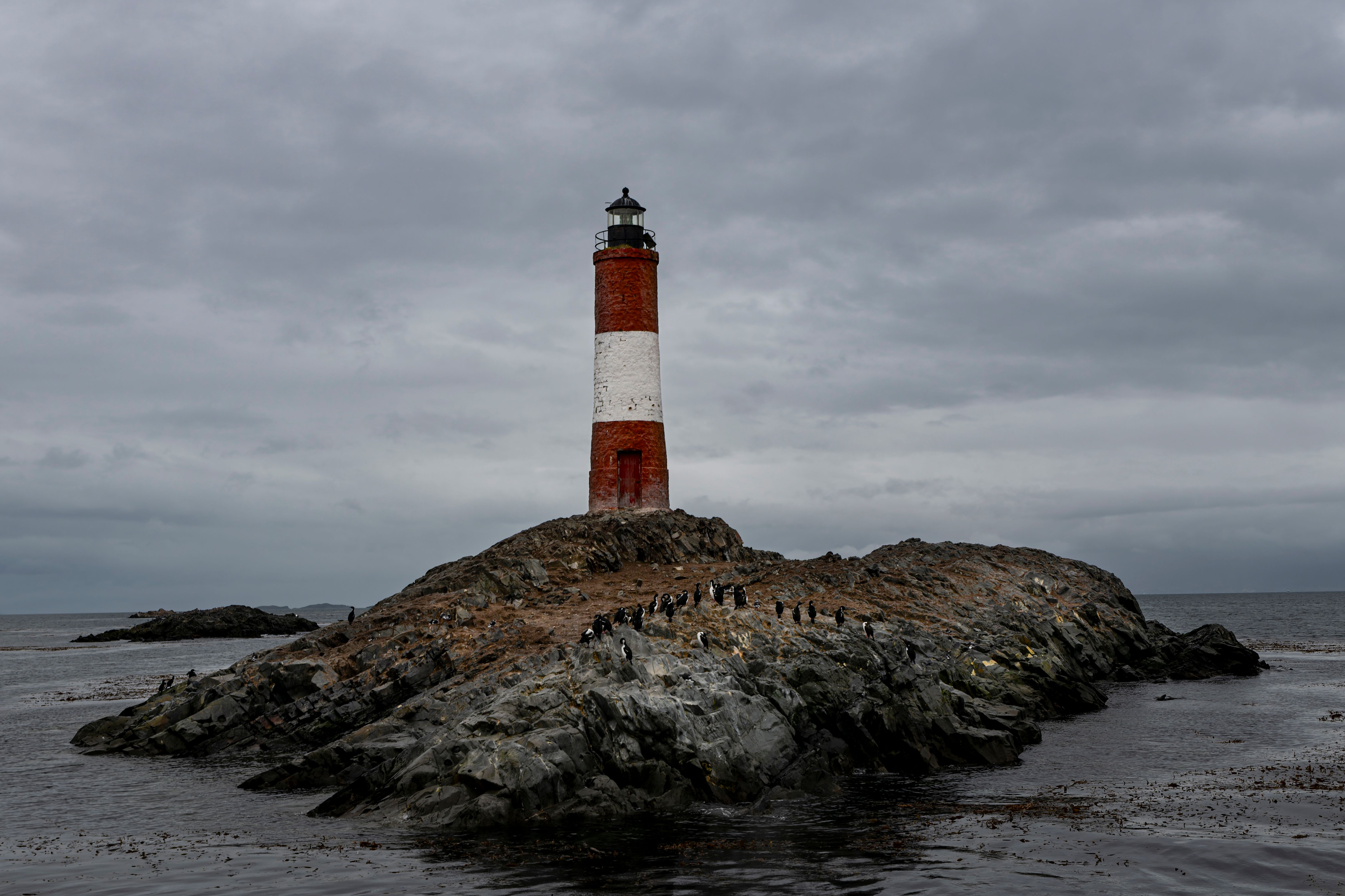
Lighthouse standing tall on rocky island with penguins in Ushuaia, Argentina under overcast skies. · Jose Luis Vanasco

Argentina is so long that its two most dramatic regions feel like different countries. Ushuaia, clinging to the Beagle Channel at the bottom of Tierra del Fuego, bills itself as the southernmost city on Earth and the launch pad for Antarctica. Salta, more than 4,000 kilometers north, sits in the sun-warmed Andean highlands where colonial plazas give way to candy-colored canyons and high-altitude vineyards.

This is not a case of two similar cities with a slight edge to one. It is cold-water wilderness versus warm-light culture, glaciers and penguins versus empanadas and wine, a Patagonian gateway versus a gateway to the puna and the Quebrada de Humahuaca. The deciding question is what kind of Argentina you came for.

Both reward you richly, and both can anchor a week. Below is exactly how they differ on the things that actually shape a trip, so you can book the right one with confidence.

Ushuaia vs Salta

Ushuaia
Salta
Vibe & first impressions
Ushuaia is a rugged frontier port wedged between the Martial mountains and the steel-gray Beagle Channel, full of outfitters, king-crab restaurants and a tangible 'end of the world' romance. The weather is changeable even in summer and the light is extraordinary.
Salta is genteel and warm, nicknamed 'Salta la Linda' (Salta the Beautiful) for its well-preserved colonial center, ornate churches and lively Plaza 9 de Julio. It feels relaxed, sunny and distinctly Andean, with folk music spilling from peñas at night.
Things to do
The headline acts are nature: Tierra del Fuego National Park, catamaran cruises to the Les Eclaireurs lighthouse and penguin colonies, the End of the World Train, and hikes to Laguna Esmeralda and Glaciar Martial. It is also the main embarkation port for Antarctic expedition cruises.
Salta is a base for legendary road trips: the Quebrada de Humahuaca (a UNESCO site) with the seven-color hill at Purmamarca, the wine town of Cafayate via the Quebrada de las Conchas, and the dizzying Tren a las Nubes. The city itself offers the MAAM museum and a cable car up Cerro San Bernardo.
Food & drink
Centolla (king crab) is the local star, alongside Fuegian lamb, hearty stews and craft beer brewed at the bottom of the world. It is comfort food for cold days rather than a refined dining scene.
Salta is one of Argentina's best eating regions: salteno empanadas, locro, humita and tamales, washed down with Torrontes white wine and high-altitude Malbec from Cafayate. Markets like Mercado San Miguel are cheap and excellent.
Cost
Ushuaia is one of the most expensive places in Argentina. Its remoteness inflates hotels, restaurants and excursions, and Antarctic cruises run into the thousands.
Salta is markedly cheaper, with affordable hotels, bargain empanadas and reasonably priced wine-country tours. Your money stretches much further in the northwest.
When to go
Peak season is the southern summer, roughly November to March, when days are long, the national park is fully open and Antarctic cruises sail. Winter (June to September) flips it into a ski and snow destination at Cerro Castor, but daylight is short and many boat tours pause.
Salta is good much of the year thanks to its mild altitude climate. Aim for the dry season (roughly April to November); the summer months (December to February) bring heavy rain that can wash out mountain roads in the Quebradas.
Getting there & around
Ushuaia has direct flights from Buenos Aires and El Calafate; flying is essentially the only practical option given the distance. In town you are walkable, but most attractions need a tour, transfer or rental car.
Salta has frequent flights from Buenos Aires and Cordoba and good bus links across the northwest. The city is compact and walkable, but you will want a rental car or guided tours to reach Cafayate, Humahuaca and Cachi.
Day trips & beyond
Beyond the national park and channel cruises, options are limited and far: this is the literal end of the road. The biggest 'day trip' is really a multi-day Antarctic expedition.
Salta is a hub for an embarrassment of riches: Purmamarca, Tilcara, Humahuaca, Cafayate, Cachi via the Cuesta del Obispo, and the surreal salt flats of Salinas Grandes are all reachable on day or overnight trips.
Crowds & feel
In peak summer Ushuaia's port and tours get busy with cruise passengers and trekkers, but the surrounding wilderness quickly swallows the crowds. Off-season it feels quiet and remote.
Salta sees steady domestic tourism and feels lively rather than overrun, though the famous Quebrada stops like Purmamarca can fill with tour buses by midday. Early starts pay off.

Ushuaia is best for

Choose Ushuaia if you crave raw Patagonian wilderness, glaciers, penguins, or a once-in-a-lifetime Antarctic crossing, and the cost and cold are part of the appeal.

Salta is best for

Choose Salta if you want warm weather, colorful canyons, colonial charm, exceptional food and wine, and a region built for scenic road trips.

The Verdict

It genuinely depends on the trip you want: Ushuaia is the dramatic, expensive end-of-the-world adventure, while Salta is the sunny, affordable, culturally rich northwest. If you are chasing big nature, ships and bragging rights, go south; if you want canyons, vineyards and empanadas under a warm sky, go north. For a first, varied taste of Argentina's extremes, Salta delivers more for less, but Ushuaia is unmatched if Antarctica or Patagonia is your dream.

Pin down your season and your priorities, then build the rest of your Argentina route around whichever edge of the country calls louder.

Ready to book your trip?

Search Hotels
Search Homes

Traveling somewhere else?

Generate a custom itinerary