
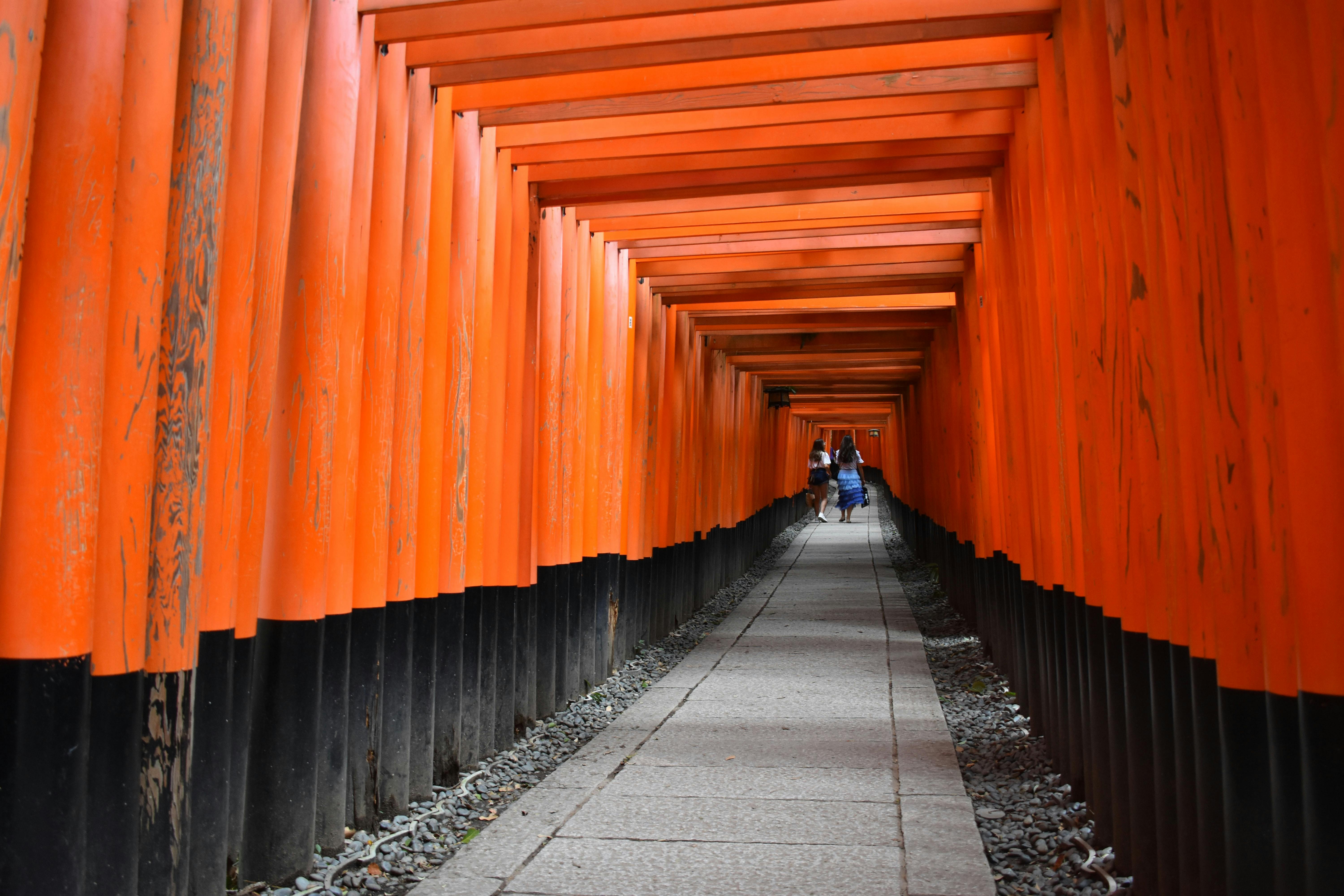
For more than a thousand years Kyoto was the imperial capital of Japan, and the city still wears that history openly. Over 1,600 Buddhist temples, hundreds of Shinto shrines, imperial villas, and timber tea houses sit alongside ordinary neighborhoods of bicycles, convenience stores, and serious coffee. It is the place travelers come to find the Japan of their imagination, and remarkably often they do.
Kyoto rewards slow attention. Spared the worst of WWII bombing, its lattice-fronted machiya townhouses and lantern-lit lanes survive in a way few Japanese cities can match. Geiko and maiko (Kyoto's word for geisha and their apprentices) still hurry to evening engagements in Gion, and the seasons announce themselves loudly: cherry blossoms in spring, fierce green maples in summer, blazing color in autumn.
It is also one of the country's best places to eat. This is the home of kaiseki, the multi-course haute cuisine built around the seasons, but also of humble tofu, pickles, matcha sweets, and some of Japan's most thoughtful coffee roasters. Come for the temples; stay for the meals.
Spring (late March to mid-April) brings cherry blossoms and autumn (mid-November to early December) brings spectacular foliage; both are gorgeous and very crowded, so book far ahead. Summer is hot, humid, and busy, though the Gion Matsuri festival in July is a genuine spectacle. Winter is cold but quiet, with bare-boned temples looking their most contemplative and far smaller crowds. For the best balance of weather and breathing room, aim for May or late September into October.
Most visitors fly into Kansai International Airport (KIX) near Osaka, then take the direct Haruka express train to Kyoto Station (about 75 minutes). From Tokyo, the Tokaido Shinkansen reaches Kyoto in roughly 2 hours and 15 minutes. In the city, buses cover the temple-heavy areas the subway misses, but they get jammed; the two subway lines, plus walking and the occasional taxi or ride-hail, are usually faster. Get an IC card (Suica, ICOCA, or PASMO) or use your phone's transit card, and consider renting a bicycle for the flat northern and central districts.
Neighborhoods & hotels


Skip the research, get a day-by-day Kyoto plan
Tell us your dates and pace; we'll build the itinerary around these picks.
Best Coffee Shops
Kyoto takes coffee as seriously as it takes tea, with a deep bench of roasters and quiet machiya cafes.


Where to Eat Breakfast & Brunch
From traditional tofu and tamagoyaki to fluffy pancakes, Kyoto mornings are worth getting up for.


Best Restaurants in Kyoto
Kyoto invented kaiseki, but its everyday food (udon, tofu, obanzai home cooking, pickles) is just as memorable.


Top Things to Do & See
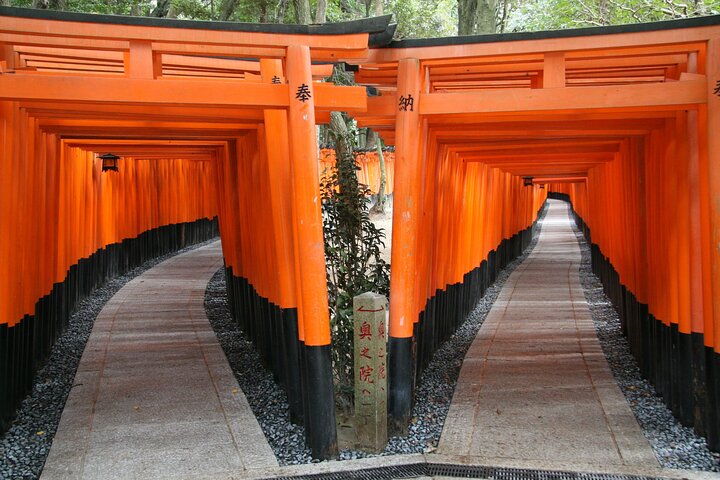
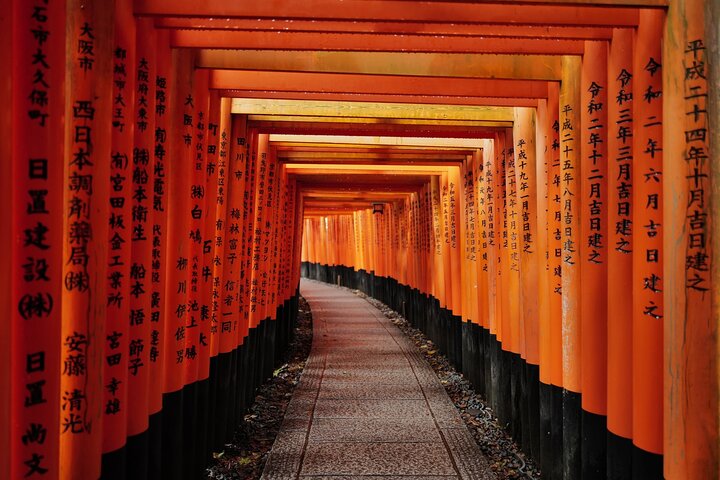
Kyoto's headline sights are world-famous for good reason. Go early or late to beat the worst of the crowds.


Experiences & Tours Worth Booking
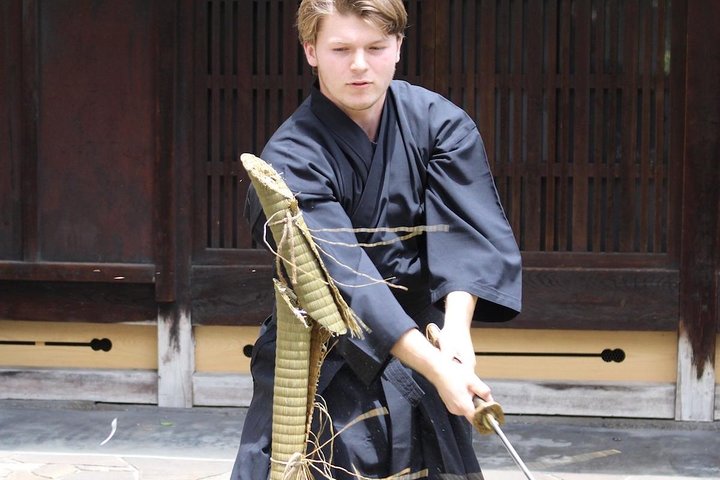
Hands-on workshops and guided walks deepen a Kyoto visit, whether you want to make ramen, train as a samurai, or spot a maiko.





Bars & Nightlife
Kyoto's nights are subtle: riverside terraces, tiny standing bars, and serious cocktail and sake counters.
Day Trips Worth Taking
Kyoto's central location makes it a superb base for half- and full-day excursions to neighboring historic cities.


A Higashiyama Walking Route
The eastern hills hold Kyoto's most evocative stretch of preserved lanes, best walked on foot in a half day.


Before you visit
Plan-ahead checklist
Kyoto is a city that reveals itself slowly, in the hush of a temple garden at dawn, the steam off a bowl of tofu, the flash of a kimono disappearing down a stone lane. Give it more time than you think you need, walk early, eat often, and let the seasons set the pace. Start planning, and the old capital will do the rest.
Top-Rated Places to Eat, See & Stay
Build your own Kyoto trip
Tell us how many days, your budget, and what you're into. We'll turn it into a custom, day-by-day Kyoto itinerary.