
Toronto vs Quebec City: Which Canadian City Should You Visit?

One is a glittering, multicultural metropolis; the other is a walled French jewel frozen in 17th-century charm. Here's how to choose.
Last updated June 22, 2026
Toronto vs Quebec City: Which Canadian City Should You Visit?
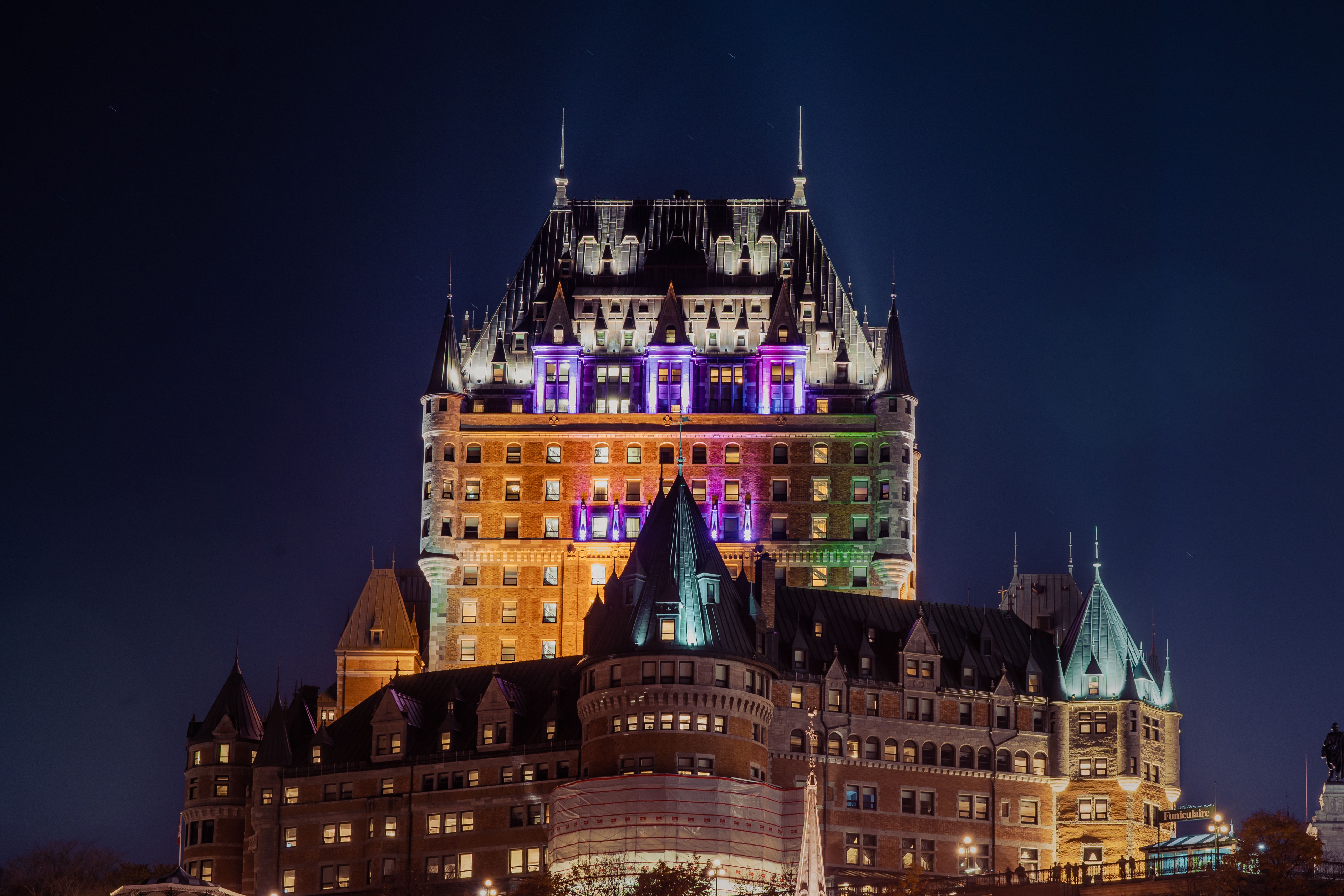
Château Frontenac beautifully illuminated against a starry night sky in Quebec City. · apertur 2.8

These two cities barely feel like they belong to the same country. Toronto is Canada's biggest city, a confident, glass-towered metropolis where more than half the residents were born abroad and the energy is restless and forward-looking. Quebec City is North America's only walled city north of Mexico, a UNESCO-listed maze of cobblestones, copper roofs, and unmistakably French rhythm where the past is the main attraction.

The distance matters too: they sit roughly 800 km apart, so this is rarely a same-trip pairing unless you have a week or more (the train between them runs via Montreal and takes the better part of a day). For most travelers this is a genuine either/or decision, and the right answer depends almost entirely on what you want a city to feel like.

Below is an honest, head-to-head look at vibe, things to do, food, cost, seasons, and logistics, with real neighborhoods and landmarks named so you can picture yourself there.

Toronto vs Quebec City

Toronto
Quebec City
Vibe & first impressions
Big, fast, and gloriously diverse. Toronto stacks gleaming financial-district towers against immigrant-rich neighborhoods like Kensington Market, Chinatown, Little Italy, and Greektown, with the CN Tower anchoring the skyline. It feels like a global capital that never quite stops moving.
Intimate and storybook. Old Quebec's Petit-Champlain quarter, the boardwalk along Terrasse Dufferin, and the looming Chateau Frontenac make it feel like a slice of Europe transplanted to the St. Lawrence. French is the working language, and the scale is walkable and romantic.
Things to do
Heavy hitters and variety: the CN Tower EdgeWalk, the Royal Ontario Museum, the Art Gallery of Ontario, the Distillery District, Toronto Islands by ferry, and pro sports (Raptors, Blue Jays, Maple Leafs) downtown. Niagara Falls is an easy day trip about 90 minutes away.
History and atmosphere lead. Walk the ramparts and Citadelle, tour the Plains of Abraham, ride the funicular, and wander Place Royale. It's a smaller menu but a deeply immersive one, and Montmorency Falls (taller than Niagara) is a short drive out.
Food & nightlife
One of North America's great eating cities, full stop. You can have Sri Lankan, Persian, Cantonese, Jamaican, and tasting-menu fine dining all in a day, plus serious cocktail bars and live-music scenes on Ossington and in the West End. Nightlife runs late and broad.
Refined Quebecois and French cooking shine: poutine done right, tourtiere, maple everything, and classic bistros along Rue Saint-Jean and in the Saint-Roch district. Nightlife is cozier and earlier, more wine bars and terraces than late clubs.
Cost
Expensive by Canadian standards, especially hotels in the core and dining out. You get range, though: street eats and ethnic neighborhoods deliver excellent value if you skip the downtown markup.
Generally gentler on the wallet than Toronto, with charming small hotels and auberges and reasonable bistro meals, though Old Quebec's prime tourist blocks carry a premium in summer and during Winter Carnival.
When to go
May through October is the sweet spot, with patio season, festivals like TIFF in September, and Islands beaches in summer. Winters are gray and cold but the city stays fully alive indoors via the PATH underground network.
Magical in deep winter: Carnaval de Quebec in late January/early February, the toboggan run, and snow-dusted ramparts. Summer is lovely and festive (Festival d'ete in July), while shoulder seasons are quieter and pretty in fall color.
Getting there & around
Toronto Pearson is a major international hub with flights from everywhere, plus the downtown Billy Bishop airport. The TTC subway, streetcars, and walkable core make a car unnecessary.
Jean Lesage airport has fewer direct international links; many visitors connect via Montreal or arrive by VIA Rail train. Once there, Old Quebec is best explored entirely on foot, and you won't want a car in the historic center.
Day trips
Niagara Falls and wine country, the Scarborough Bluffs, and Prince Edward County's vineyards are all within reach for a day or overnight.
Montmorency Falls, Ile d'Orleans for farms and cider, and the Sainte-Anne-de-Beaupre shrine are quick, scenic escapes from the old town.

Toronto is best for

Choose Toronto if you want big-city energy, world-spanning food, major museums and sports, and an easy launchpad to Niagara.

Quebec City is best for

Choose Quebec City if you crave European old-world charm, cobblestone romance, French culture, and a walkable, photogenic small city.

The Verdict

It genuinely depends on your mood. For variety, dining range, nightlife, and metropolitan buzz, Toronto wins easily; for atmosphere, history, and a romantic, slow-paced getaway, Quebec City is in a league of its own. First-time Canada visitors chasing icons might start with Toronto, but anyone wanting somewhere that feels nothing like home should book Quebec City.

Pick the feeling you're after, then build a few days around it. Either way, Canada rewards the choice.

Ready to book your trip?

Search Hotels
Search Homes

Traveling somewhere else?

Generate a custom itinerary