
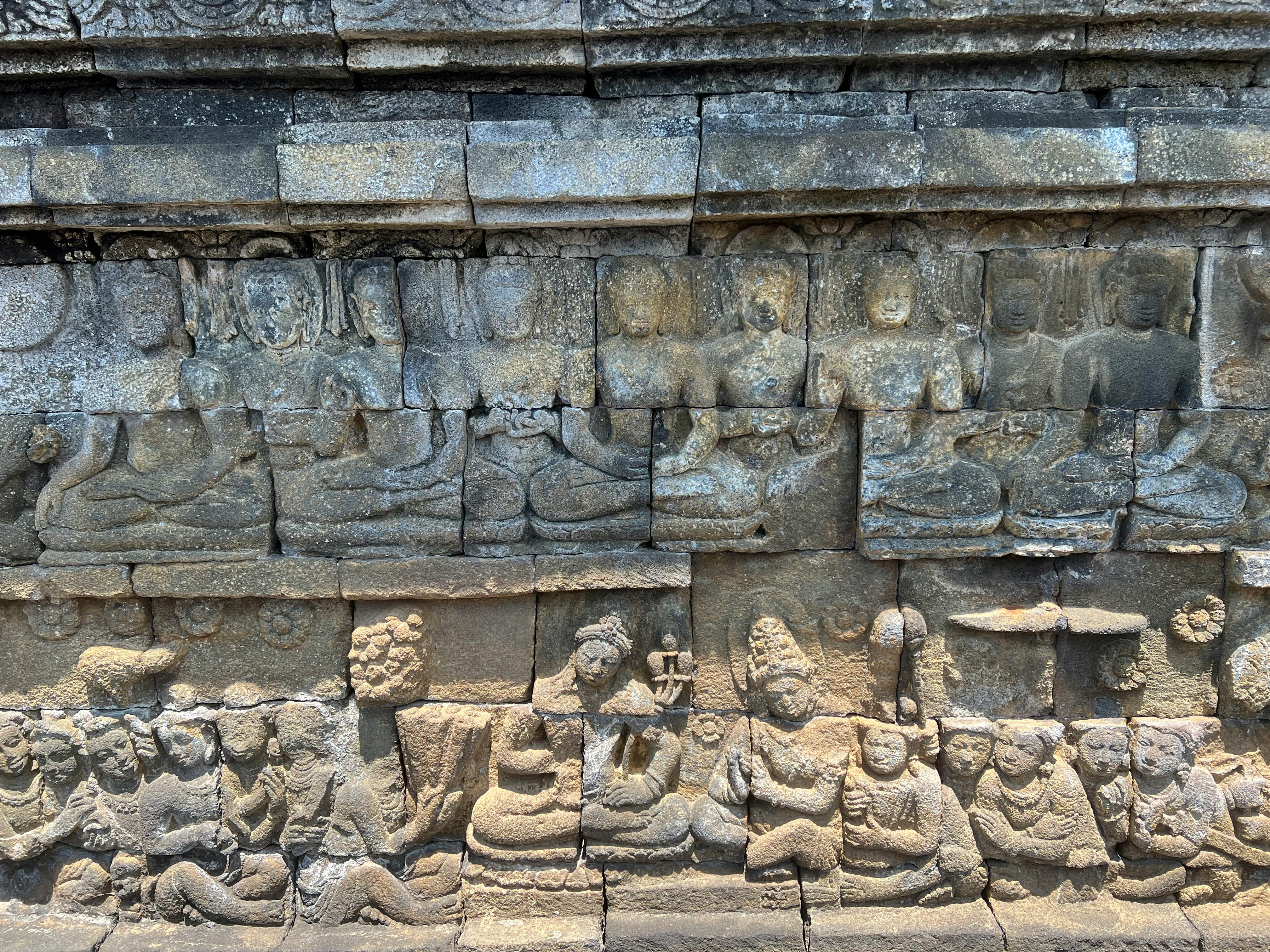
Detailed stone carvings on Borobudur Temple, showcasing intricate ancient reliefs.
Best Time to Visit · Yogyakarta

The Best Time to Visit Yogyakarta: A Season-by-Season Guide

Java's cultural heart is a year-round destination, but the dry months of May through September deliver the clearest skies for temple sunrises and volcano hikes.

Last updated July 13, 20266 min read

Yogyakarta sits in the highlands of central Java, close enough to the equator that the calendar splits not into four seasons but two: a dry season and a wet one. Temperatures barely move all year (daytime highs hover around 30-32C / 86-90F), so the real question is not how hot it will be but how much rain, haze, and cloud you are willing to accept between you and a Borobudur sunrise.

The dry season, roughly May to September, is when the city shows its best face: clear mornings for temple visits, dry trails on Mount Merapi, and reliably golden light at Prambanan. The trade-off is more visitors and higher room rates in July and August, which overlap with school holidays and the Indonesian domestic travel peak.

The wet season (November to March) brings dramatic afternoon downpours, lush rice terraces, thinner crowds, and the lowest prices of the year. Mornings often stay clear enough to sightsee, making this a smart window for budget-minded travelers who plan around the rain rather than fight it.

Quick answer

The best time to visit Yogyakarta is the dry season from May to September, when clear skies make temple sunrises, volcano hikes, and outdoor sightseeing reliable. For the ideal balance of good weather and thinner crowds, aim for May, June, or September and avoid the July-August domestic holiday peak.

At a glance

The short version

Best overall
June and September. You get dry, sunny weather without the July-August crowd surge and price spikes, ideal for Borobudur and Prambanan at sunrise.
Cheapest time
January to March, the heart of the wet season. Hotels and flights drop to their yearly lows, and clear mornings still leave time to sightsee before the afternoon rain.
Fewest crowds
February and early March. Between the wet weather and the lack of school holidays, temples and the Kraton feel calm and uncrowded.
Best weather
July and August offer the driest, clearest skies of the year, though they are also the busiest and priciest. May and September deliver nearly the same weather with fewer people.
Best for temple sunrises
May through September. Dry mornings dramatically improve your odds of a mist-and-gold sunrise over Borobudur and clear views of Merapi behind Prambanan.
Best for Merapi and outdoor adventure
June to August, when jeep tours and highland trails around Mount Merapi are at their driest and safest, with the least mud and cloud cover.
Season by season

Through the year

Dry seasonMay to September
Weather Daytime highs of 30-32C (86-90F), nighttime lows around 21-23C (70-73F). Low humidity by tropical standards, minimal rain, and clear mornings; July and August are the driest.
Crowds Peak crowds in July and August, driven by international summer travelers and Indonesian school holidays. May, June, and September are noticeably quieter shoulder weeks.
Prices High, especially July and August. Book temple sunrise slots and hotels well ahead. May and September offer better value with similar weather.

This is the postcard version of Yogyakarta: sunny skies, dry trails, and dependable sunrise views over Borobudur and Merapi. The downside is competition for rooms and popular tours during the July-August peak. Come in May, June, or September for the same weather with more breathing room.

Wet seasonNovember to March
Weather Highs of 29-31C (84-88F) with high humidity. Heavy rain arrives mostly in afternoons and evenings, often as intense but short downpours; December to February are the wettest.
Crowds Lowest of the year outside the Christmas-New Year holiday spike. Temples, museums, and the Kraton are calm and easy to explore.
Prices Low. Expect the year's best rates on hotels and domestic flights, apart from a brief surge around Christmas and New Year.

The wet season is greener, cheaper, and quieter, with rice terraces at their most lush. Mornings are frequently clear enough for temple visits, so the trick is to sightsee early and save afternoons for cafes, batik workshops, and museums. Best for budget travelers and anyone who does not mind carrying an umbrella.

Transition monthsApril and October
Weather Highs around 31-32C (88-90F), humid, with occasional showers as the seasons turn. April dries out; October begins to dampen.
Crowds Moderate. Fewer visitors than mid-year peak, and no major domestic holiday surge.
Prices Mid-range, often good value for the weather you get.

These shoulder months can be a sweet spot, blending mostly dry days with lower crowds and prices. Weather is a slight gamble, but April in particular often delivers dry-season conditions before the peak-season rates kick in.

On the calendar

Notable events & festivals

Grebeg Maulud / Sekaten (timing follows the Islamic calendar; around late September 2026)A royal palace festival marking the Prophet Muhammad's birthday, featuring a month-long night market, gamelan music, and towering mountains of decorated food (gunungan) paraded from the Kraton to the grand mosque.
Eid al-Fitr / Lebaran (around March 2026)The end of Ramadan is Indonesia's biggest holiday. Yogyakarta fills with domestic travelers and returning families; transport books out and some businesses close, but the city is festive.
Waisak (Vesak) at Borobudur (early May 2026)Buddhist pilgrims gather at Borobudur to celebrate Buddha's birth, enlightenment, and death, culminating in a lantern release. One of the most atmospheric times to see the temple, though it draws large crowds.
Yogyakarta Arts Festival / FKY (around June-July)An annual celebration of Javanese and contemporary arts with performances, exhibitions, and installations across the city.
Ramayana Ballet at Prambanan (dry season, roughly May to October)Open-air performances of the Ramayana epic staged with the floodlit Prambanan temples as a backdrop; only reliably run during the dry months.
When to avoid

Avoid the wettest weeks of December through February if outdoor sunrise photography or volcano hikes are your priority, as heavy cloud and afternoon storms can obscure views and muddy trails. If you dislike crowds and higher prices, skip mid-July to late August and the Christmas-New Year window. Around Eid al-Fitr, expect packed transport, sold-out hotels, and some closures.

Got your dates? Build the trip around them.

We'll plan a custom Yogyakarta itinerary tuned to your travel month and pace.

Generate itinerary

Frequently asked questions

What is the cheapest month to visit Yogyakarta?
January and February are typically the cheapest, falling in the low wet season with the year's best rates on hotels and domestic flights. Just plan sightseeing for the mornings, when it is most likely to stay dry.
Is Yogyakarta worth visiting in the rainy season?
Yes. Rain usually falls in short, heavy afternoon bursts, leaving clear mornings for temples and the Kraton, and you benefit from lush scenery, thinner crowds, and lower prices. Bring an umbrella and be flexible with your afternoons.
How many days do you need in Yogyakarta?
Three to four days is ideal: one for Borobudur, one for Prambanan and the Ramayana ballet, and one or two for the Kraton, batik and silver workshops, and a Mount Merapi jeep tour.
When is the best time for a Borobudur sunrise?
The dry season, May to September, offers the clearest mornings and the best odds of the classic mist-over-the-jungle sunrise. Book your ticket and sunrise slot in advance, especially in July and August.
What is the weather like in Yogyakarta year-round?
It is warm and tropical all year, with highs of 29-32C (84-90F) and mild nights. The main variable is rain: dry and sunny from May to September, wet with afternoon storms from November to March.

Whenever you go, Yogyakarta rewards early risers and flexible planners. Target May, June, or September for the best mix of clear skies and manageable crowds, or embrace the wet season for lower prices and greener landscapes. Lock in your Borobudur sunrise slot ahead of time and build the rest of your trip around it.

Plan with MagicTrips

Build your own Yogyakarta trip

Tell us how many days, your budget, and what you're into. We'll turn it into a custom, day-by-day Yogyakarta itinerary.

Ready to book your stay?

Hotels
Homes

Traveling somewhere else?

Generate a custom itinerary