
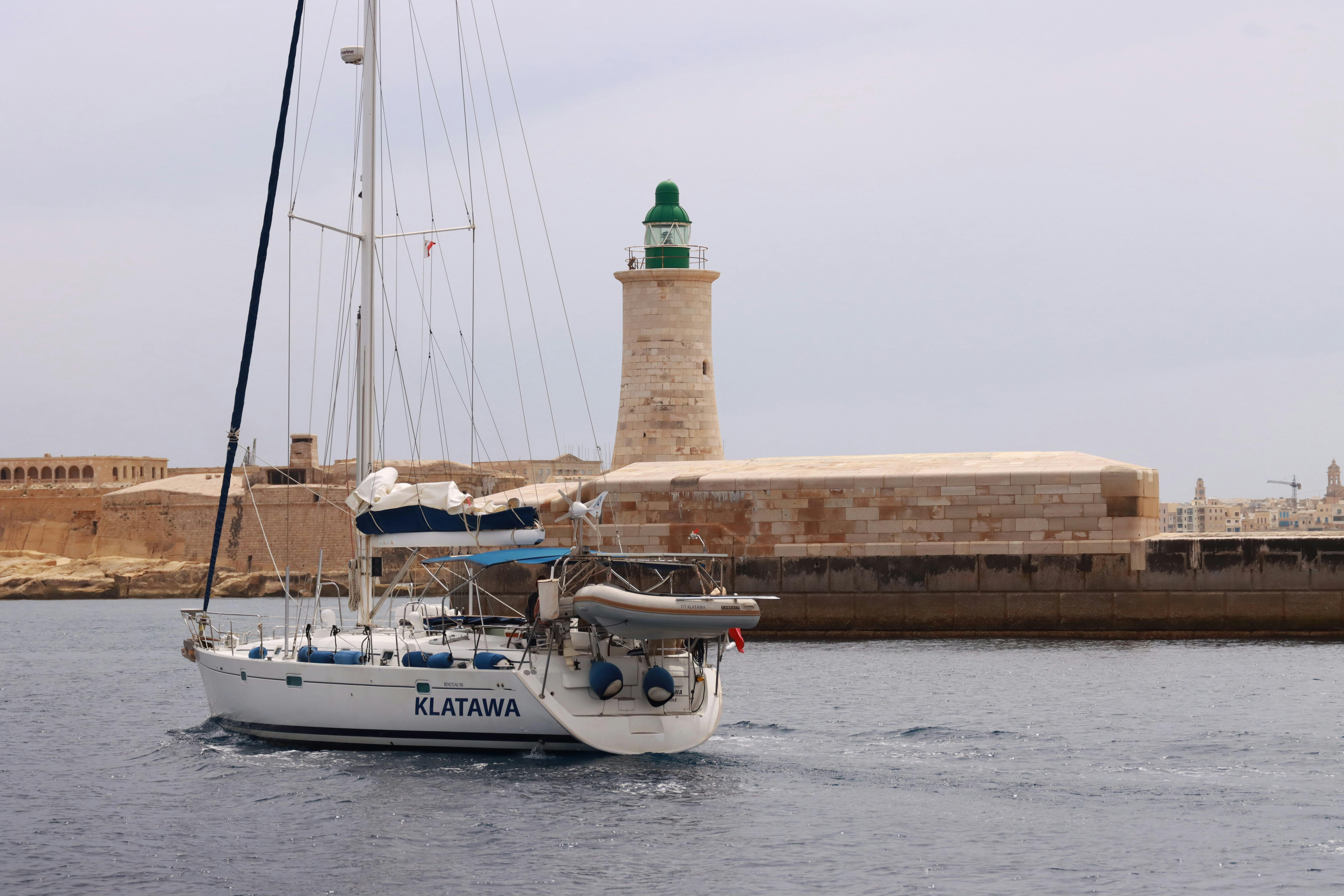
A sailboat named Klatawa sails past a historic lighthouse in Valletta, Malta.
Best Time to Visit · Valletta

The Best Time to Visit Valletta: A Season-by-Season Guide

From sun-soaked summer harbors to mild, crowd-free winter strolls, here is when to visit Malta's honey-colored capital.

Last updated July 1, 20267 min read

Valletta packs an astonishing amount into half a square kilometer: Baroque palaces, cannon-lined bastions, a cathedral floor of marble tombstones, and grid streets that drop sharply toward the Grand Harbour. Because the city is compact and largely walkable, the biggest variables in planning a trip are heat, crowds, and cruise-ship traffic rather than distance.

Malta enjoys a classic Mediterranean climate: hot, bone-dry summers and mild, changeable winters. Valletta sees roughly 300 days of sunshine a year, so rain is rarely a trip-wrecker, but July and August bring fierce heat and the city's stone streets radiate warmth well into the evening. Spring and autumn hit the sweet spot for sightseeing, while winter offers the lowest prices and the quietest streets in the region.

What tips the decision is what you want: warm sea and long beach days, low-cost mild-weather sightseeing, or a specific festival. This guide walks through each season with real temperatures, crowd levels, and price notes so you can pick your window.

Quick answer

The best time to visit Valletta is spring (April to June) and autumn (mid-September to October), when temperatures sit around 20 to 27C (68 to 81F), the sea is warm enough to swim, and crowds are lighter than peak summer. For the lowest prices and mildest sightseeing weather, visit between November and March.

At a glance

The short version

Best overall
Late April to June. Warm, dry days around 22 to 28C (72 to 82F), swimmable sea by late May, blooming countryside, and manageable crowds before the July peak.
Cheapest time
November to March (excluding Christmas and New Year). Flights and hotels drop to their lowest, and you will often find harbor-view rooms for a fraction of summer rates.
Fewest crowds
January and February. Cruise traffic thins, streets are calm, and you can photograph St John's Co-Cathedral and Upper Barrakka Gardens without the summer scrum.
Best weather
May, June, September, and early October deliver long, reliably sunny days with low humidity and comfortable heat, ideal for walking the bastions.
Best for swimming and beaches
July to September, when the sea reaches 25 to 27C (77 to 81F). Valletta itself has no beach, but St Julian's, Sliema, and the sandy bays of the north are a short ride away.
Best for festivals
June to September for the feast (festa) season and the Malta International Arts Festival, plus February's Carnival for color and costumes.
Season by season

Through the year

SpringMarch to May
Weather Mild and increasingly warm, from around 16 to 20C (61 to 68F) in March up to 22 to 27C (72 to 81F) by late May. Occasional showers early, mostly dry by May; the countryside is green and flowering.
Crowds Low to moderate, building through May. Easter week sees a short spike, otherwise pleasant and uncrowded.
Prices Mid-range and rising toward summer. Good value in March and early April, especially midweek.

Spring is arguably the finest time to explore Valletta on foot, with comfortable temperatures for climbing the city's steep streets and bastions. The sea warms enough for swimming by late May, and the light is superb for photography. Ideal for sightseers, hikers, and anyone who wants warmth without the heat.

SummerJune to September
Weather Hot and dry, with highs of 30 to 35C (86 to 95F) in July and August and warm nights that seldom drop below 23C (73F). Very little rain and intense sun; sea temperatures peak at 25 to 27C (77 to 81F).
Crowds Peak season. Cruise ships, day-trippers, and festa crowds fill the city, and popular restaurants and attractions get busy from late June through August.
Prices Highest of the year for flights and hotels, particularly August. Book well ahead.

Summer is loud, sunny, and social, with the best swimming, the fullest festival calendar, and long balmy evenings on the waterfront. The downside is real heat: midday sightseeing on Valletta's stone streets is punishing, so plan for early mornings, siestas, and dips at nearby beaches. Best for sun-seekers and party-goers who do not mind crowds and premium prices.

AutumnOctober to November
Weather Warm and gradually cooling, from around 24 to 28C (75 to 82F) in early October to 18 to 21C (64 to 70F) by late November. The sea stays swimmable into October; the first heavier rains usually arrive in November.
Crowds Moderate in October, tapering to quiet by November. A relaxed, uncrowded feel returns.
Prices Mid-range in October, dropping toward low-season rates in November.

Autumn mirrors spring's appeal, with warm seas lingering into October and gentler crowds. It is one of the best windows for combining sightseeing with a few beach days, and prices ease as the month goes on. Great for couples, culture travelers, and late-season swimmers.

WinterDecember to February
Weather Mild but changeable, with highs of 14 to 17C (57 to 63F) and cooler nights around 9 to 12C (48 to 54F). This is the wettest period, though rain tends to come in short bursts between sunny spells; winds can be brisk on the bastions.
Crowds Lowest of the year, aside from a bump over Christmas, New Year, and Carnival. Streets and sights are calm.
Prices Cheapest for flights and hotels, except the festive week. Excellent value.

Winter Valletta is quiet, atmospheric, and inexpensive, perfect for museums, long lunches, and unhurried wandering without summer's heat or crowds. Bring a jacket and expect the occasional rainy day, and note that some seaside lidos and seasonal venues close. Best suited to budget travelers, culture lovers, and anyone who prefers calm over sunbathing.

On the calendar

Notable events & festivals

Carnival (February)Malta's Carnival fills Valletta and nearby Floriana with costumed parades, decorated floats, and dancing in the days before Lent, one of the country's oldest festivities.
Malta International Arts Festival (June to July)A multi-week program of theater, music, dance, and visual art staged across Valletta's historic squares and venues, one of the cultural highlights of the summer.
Feast (Festa) season (June to September)Villages across Malta celebrate their patron saints with brass bands, church decorations, and spectacular fireworks; the atmosphere spills into weekends throughout the summer.
Malta International Fireworks Festival (late April)Pyrotechnic teams light up the Grand Harbour skyline over several nights, best watched from Valletta's bastions and Upper Barrakka Gardens.
Notte Bianca (early October)Valletta stays up all night as palaces, museums, and streets open for free with performances, art, and food until the early hours.
Christmas and New Year (December)Valletta glows with lights and nativity displays, and New Year's Eve brings a large open-air celebration in St George's Square.
When to avoid

Avoid the peak of July and August if you are heat-sensitive or on a budget: midday temperatures around 35C (95F), high humidity, packed streets, and top-tier prices make daytime sightseeing tough. If you specifically want to swim, skip December through March, when the sea is cold and some coastal lidos close.

Got your dates? Build the trip around them.

We'll plan a custom Valletta itinerary tuned to your travel month and pace.

Generate itinerary

Frequently asked questions

What is the cheapest month to visit Valletta?
January and February are the cheapest, with the lowest flight and hotel prices of the year (outside the Christmas and New Year week). November is also excellent value once the summer season ends.
Is Valletta worth visiting in winter?
Yes. Winter brings mild days around 15C (59F), very few crowds, and the best prices, making it ideal for museums, cathedrals, and unhurried walks. Just pack for occasional rain and cooler evenings, and note the sea is too cold for swimming.
When is the best time to swim in Malta?
July to September offers the warmest sea, at 25 to 27C (77 to 81F), with swimming comfortable from late May through October. Valletta has no beach of its own, but Sliema, St Julian's, and the sandy northern bays are a short bus or ferry ride away.
How many days do you need in Valletta?
Two full days is enough to cover Valletta's main sights, including St John's Co-Cathedral, the Grand Master's Palace, and the Upper Barrakka Gardens. Add a few more days to use the city as a base for the Three Cities, Mdina, and Malta's beaches.
What is the best month to visit Valletta for good weather without crowds?
May and late September to early October combine warm, dry, sunny days with a swimmable sea and noticeably lighter crowds than midsummer, making them the sweet spot for most travelers.

Whether you come for spring's flowering bastions, a summer of festas and sea swims, or a quiet, low-cost winter escape, Valletta rewards visitors in every season. Pin down your priorities (weather, crowds, or budget), pick your window, and start mapping out those honey-stone streets and harbor views.

Plan with MagicTrips

Build your own Valletta trip

Tell us how many days, your budget, and what you're into. We'll turn it into a custom, day-by-day Valletta itinerary.

Ready to book your stay?

Hotels
Homes

Traveling somewhere else?

Generate a custom itinerary