
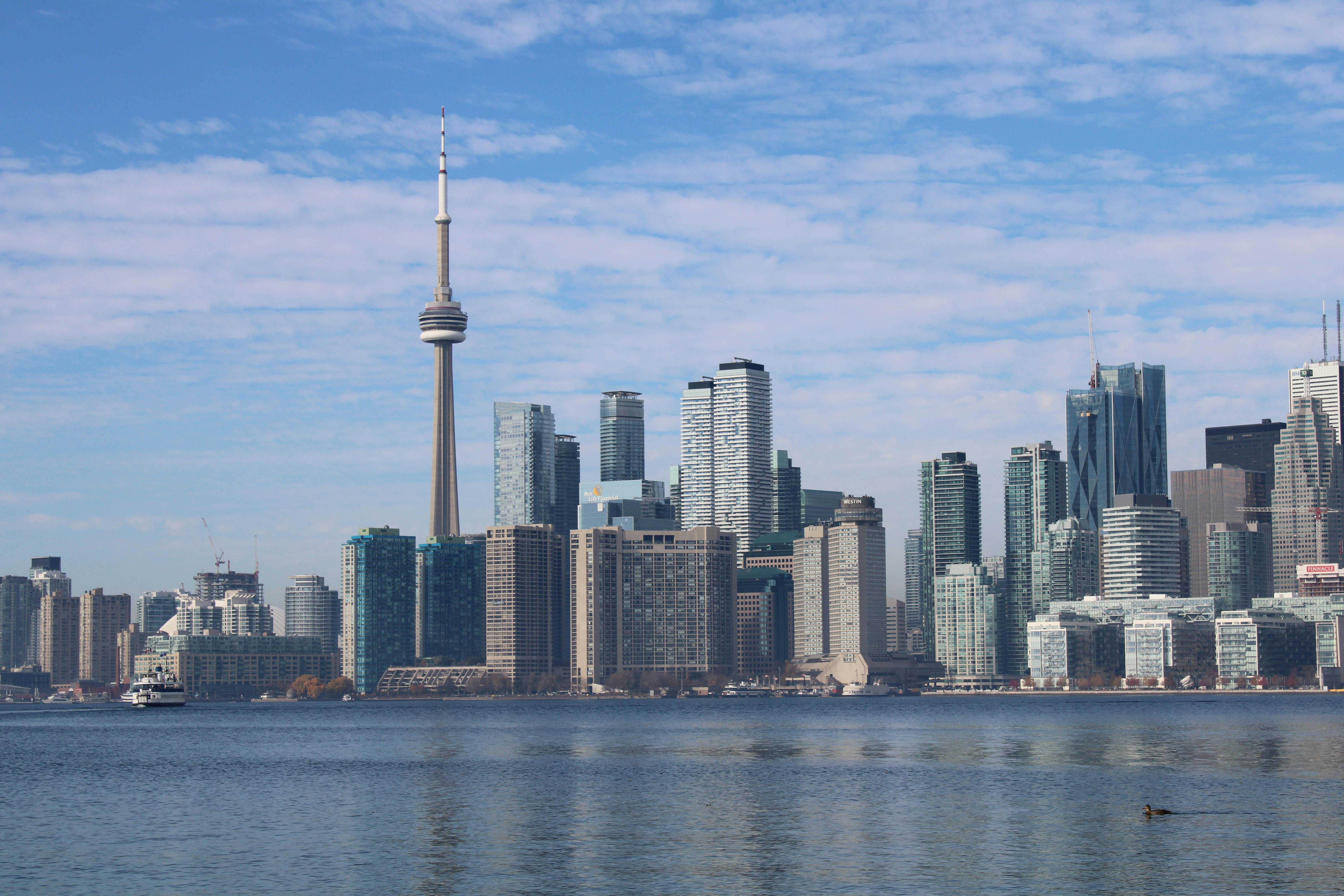
Toronto is a city of dramatic seasonal swings, and the version you get depends entirely on when you arrive. Summer brings lakeside patios, packed festival weekends, and long daylight hours; winter wraps the skyline in cold and quiet but rewards you with hockey, hot food, and far lower prices. Spring and fall sit in between, offering mild weather and thinner crowds.
Three factors should drive your timing: the weather (which ranges from -10C in January to humid 30C heat in July), the festival calendar (Toronto packs its biggest events into summer and early September), and price (hotel and flight rates spike around TIFF and peak summer, then drop sharply in late fall and winter).
The good news is that Toronto is a true year-round destination. Its museums, theatres, sports arenas, and underground PATH network mean weather never fully shuts the city down. The trick is matching the season to what you actually want to do.
The best time to visit Toronto is from late May to early October, when warm weather, packed patios, and a dense festival calendar bring the city to life. For the best balance of pleasant weather, manageable crowds, and lower prices, target September after Labour Day or late May to mid-June.
Planning a trip to Toronto?
The short version
Through the year
Spring is Toronto shaking off winter, unpredictable but full of promise. Early spring stays grey and chilly, but by May the city explodes with cherry blossoms in High Park and packed patios. It suits travellers who want lower prices with a taste of the warm-weather energy to come.
Summer is Toronto at full volume: ferries to the Toronto Islands, baseball at the Rogers Centre, rooftop bars, and a festival nearly every weekend. The downside is heat, humidity, and the highest prices of the year. It is ideal for visitors who want maximum energy and do not mind crowds or cost.
Fall is arguably Toronto's sweet spot. September delivers warm days and film-festival glamour, while October brings spectacular foliage in the ravines and High Park. By November the city quiets and prices drop, making it great for budget-minded travellers who still want pleasant walking weather.
Winter is cold and grey, but Toronto stays lively indoors thanks to the PATH network, museums, theatre, and hockey at Scotiabank Arena. The Distillery District's Winter Village and skating at Nathan Phillips Square add festive charm. It suits bargain hunters and anyone happy to layer up for short lines and quiet streets.
Notable events & festivals
If you dislike extreme heat and humidity, skip late July and August, when humidex readings regularly top 35C (95F). Budget travellers should avoid early September (TIFF) and the Christmas-to-New Year week, when prices peak. Those sensitive to cold should think twice about January and February, when wind chill off Lake Ontario can make it feel below -15C (5F).
Got your dates? Build the trip around them.
We'll plan a custom Toronto itinerary tuned to your travel month and pace.
Frequently asked questions
What is the cheapest month to visit Toronto?
Is Toronto worth visiting in winter?
How many days do you need in Toronto?
When is the best weather in Toronto?
When can you see fall foliage in Toronto?
Whether you come for patio season and festivals in summer, golden ravines in October, or bargain rates and skating in winter, Toronto rewards careful timing. Decide what matters most to you, weather, crowds, price, or a specific event, then pick your window and start planning.
Build your own Toronto trip
Tell us how many days, your budget, and what you're into. We'll turn it into a custom, day-by-day Toronto itinerary.