
The Best Time to Visit Tokyo: A Month-by-Month Guide
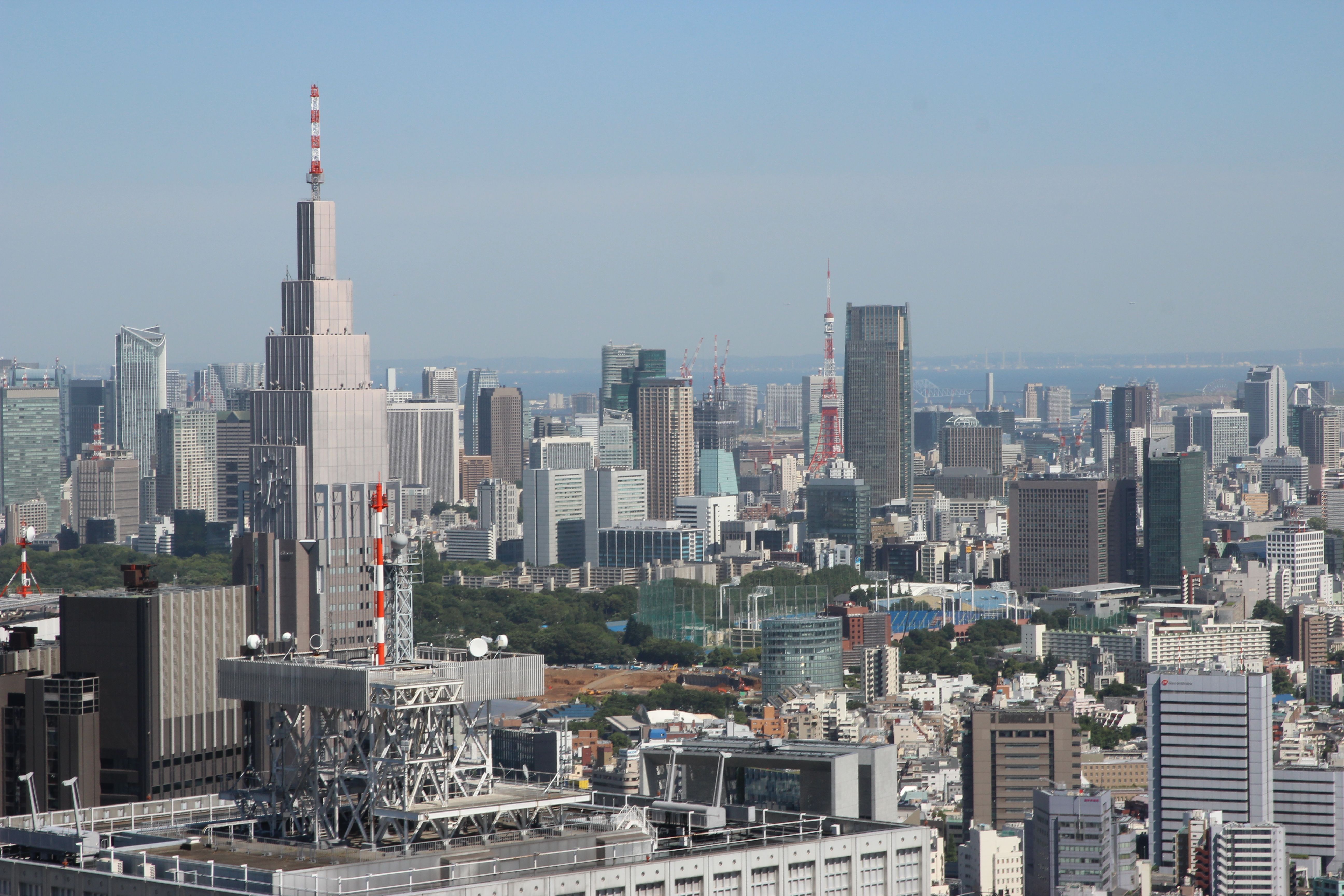
Tokyo rewards visitors year-round, but the experience shifts dramatically with the calendar. The two windows everyone chases are spring, when cherry blossoms turn the city pink for roughly a week, and autumn, when humidity drops and ginkgo trees blaze gold under reliably blue skies. Both deliver the best weather and the biggest crowds.
What pushes the decision is the trade-off between comfort and value. Summer is hot, sticky, and punctuated by a June rainy season, but it brings spectacular fireworks festivals and the cheapest hotel rates outside the tourist surge. Winter is cold but dry and bright, with the year's lowest crowds and frequent clear views of Mount Fuji from the city's observation decks.
Prices and availability swing hardest around cherry blossom season, the Golden Week holiday in late April and early May, and the New Year period. Knowing those spikes (and the quieter pockets around them) is the difference between a packed, pricey trip and a calmer, cheaper one.
The best time to visit Tokyo is spring (late March to early April) for cherry blossoms and autumn (October to November) for crisp, dry weather and fall foliage. Both offer comfortable temperatures around 15-22C (59-72F), but autumn is slightly cheaper and less crowded than peak sakura season.
Planning a trip to Tokyo?
At a Glance
Season by Season
Spring (March to May)
This is Tokyo at its most photogenic, with parks full of blossom picnics and mild, walkable days. The downside is competition: hotels sell out and prices climb. Best for first-timers and anyone whose trip is built around cherry blossoms.
Summer (June to August)
Expect sweat-soaked sightseeing, but also the year's best atmosphere after dark: fireworks over the Sumida, lantern-lit matsuri, and beer gardens on rooftops. June's rain is a fair price for low crowds and cheaper rooms. Best for budget travelers and festival lovers who can handle the heat.
Autumn (September to November)
October and November are arguably the best all-around time to visit, with clear skies, low humidity, and fiery fall color in places like the Imperial Palace gardens and Rikugien. Early September can still feel like summer and carries typhoon risk. Best for those who want great weather without peak sakura crowds.
Winter (December to February)
Winter is underrated: dry, sunny days, sharp views of Mount Fuji, and dazzling winter illuminations across the city. The cold is manageable and crowds are thin. Best for budget travelers, photographers, and anyone who dislikes queues.
Notable Events & Festivals
If you are watching your budget or hate crowds, avoid Golden Week (roughly April 29 to May 5) and the New Year holiday (late December to January 3), when prices spike and major sights are packed. June's rainy season and the peak heat and humidity of late July through August are uncomfortable for heavy sightseeing, and early autumn carries some typhoon risk.
Frequently Asked Questions
What is the cheapest month to visit Tokyo?
When is cherry blossom season in Tokyo?
Is Tokyo worth visiting in winter?
How many days do you need in Tokyo?
What is the best time to visit Tokyo for good weather?
Whether you come for cherry blossoms in spring, fireworks in summer, golden leaves in autumn, or crisp winter views of Mount Fuji, Tokyo delivers something distinct in every season. Pin down your priority (weather, budget, or a specific festival), book early for the spring and New Year peaks, and start mapping your days across the city's neighborhoods.