
The Best Time to Visit Tirana: A Season-by-Season Guide

Albania's capital is hot in summer, mild in winter, and at its best in the long, easy shoulder months. Here is how to time it right.
Last updated June 25, 2026
The Best Time to Visit Tirana: A Season-by-Season Guide
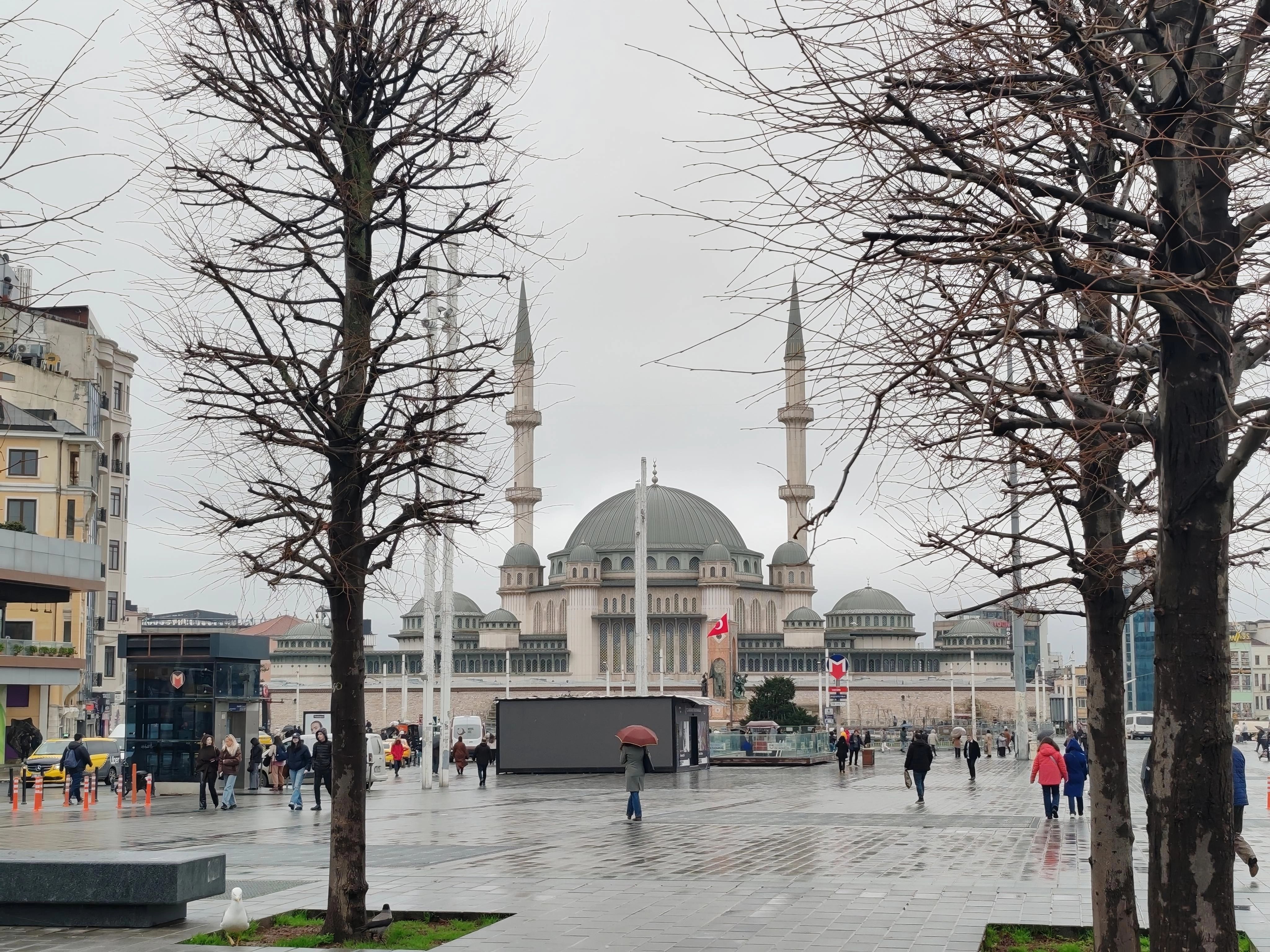
View of Taksim Mosque on a cloudy day with pedestrians in Istanbul. · kursad gunduz

Tirana sits in a flat valley ringed by mountains, which gives it a Mediterranean climate with a continental edge: hot, dry summers and cool, wet winters. Unlike Albania's coastal towns, the capital is a year-round city rather than a seasonal beach stop, so the calendar is driven more by comfort and crowds than by closures.

The decision usually comes down to heat tolerance and budget. July and August are reliably sunny but can push past 32C (90F), and they coincide with Albania's tourism peak as visitors funnel through the capital on their way to the Riviera. Spring and autumn deliver the kindest weather and the lightest crowds, while winter is quiet, mild by European standards, and the cheapest time to fly in.

Tirana is also compact and cheap by Western European standards, so even in peak season your money stretches further than almost anywhere else on the Mediterranean. That makes the off-season especially appealing: a capital city break for very little outlay.

Quick Answer

The best time to visit Tirana is spring (April to June) and autumn (September to October), when daytime temperatures sit around a comfortable 18-26C (64-79F), rain is moderate, and crowds and prices are lower than the July-August peak. Avoid midsummer if you dislike heat and winter if you want guaranteed sunshine.

At a Glance

Best overallMay, June, September and early October. Warm, settled days, long daylight, café terraces in full swing, and none of the August heat or crush.
Cheapest timeNovember to February. Flights and hotels are at their lowest, and the city is calm; just pack for rain and chilly evenings.
Fewest crowdsLate autumn and winter (November to March). Tirana empties of through-traffic to the coast, so museums, restaurants and squares feel local again.
Best weatherLate May to mid-June and September. Reliable sunshine, comfortable warmth around 24-28C (75-82F), and low humidity before the harshest heat or autumn rains arrive.
Best for café and nightlife cultureMay through September. The Blloku district's bars and terraces are liveliest in the warm months, with crowds spilling outdoors into the night.
Best for day trips to the mountainsJune to September, when Dajti Mountain and routes north toward the Albanian Alps are dry, accessible and at their greenest.

Season by Season

Spring (March to May)

Weather Cool to warm, warming quickly. March averages 8-17C (46-63F), May reaches 14-24C (57-75F). April and May see scattered showers but plenty of sun.
Crowds Low to moderate, building toward late May. Easter brings a short bump, otherwise the city is relaxed.
Prices Low to mid. Hotel and flight prices stay reasonable until the late-spring uptick.

Tirana looks its best in spring, with green parks, blooming trees and pleasant walking weather. Early spring can still be wet and cool, but by May the terraces fill and the days are long. Ideal for sightseeing and day trips without summer heat.

Summer (June to August)

Weather Hot and dry. Highs of 28-32C (82-90F), often higher in July and August, with warm nights and very little rain. Humidity is moderate inland.
Crowds Peak. The capital is busiest as travelers pass through to the coast, and nightlife is at full tilt.
Prices Highest of the year, though still modest by European standards. Book accommodation ahead in July and August.

Summer is bright and energetic, with a buzzing café and bar scene and easy access to mountain escapes. The downside is real heat, especially midday in August, when the city can feel sluggish. Best for those who want sun and nightlife and do not mind the warmth.

Autumn (September to October)

Weather Warm and easing. September stays summery at 18-28C (64-82F); October cools to 12-22C (54-72F) with increasing rain late in the month.
Crowds Moderate in September, dropping sharply through October. A relaxed, local feel returns.
Prices Mid to low, falling as the season progresses. Excellent value in October.

September is arguably the sweet spot: warm, dry enough, and noticeably quieter than August. October brings golden light and the first autumn rains. A strong choice for comfortable sightseeing and good prices.

Winter (November to February)

Weather Cool and wet, rarely freezing. Daytime highs of 8-14C (46-57F), nights near 2-6C (36-43F). This is the wettest stretch, with frequent rain and grey skies. Snow is rare in the city but caps the surrounding mountains.
Crowds Lowest of the year. The city is quiet and feels entirely local.
Prices Lowest. The cheapest flights and hotels, and easy last-minute bookings.

Winter Tirana is mild compared with most of Europe but damp and often overcast. It suits budget travelers and those after a calm city break with cafés, museums and cozy bars rather than outdoor sightseeing. Pack a rain jacket and warm layers.

Notable Events & Festivals

Summer Day (Dita e Verës), 14 March An ancient pagan festival marking the end of winter, especially lively in nearby Elbasan but celebrated across Albania with sweets, flowers and street festivities.
Tirana International Film Festival, late autumn Albania's leading film festival, typically held in November, screening international and regional cinema across the capital's theaters.
Independence and Liberation Days, 28-29 November Back-to-back national holidays marking independence (1912) and liberation (1944), with flags, parades and a patriotic mood throughout the city.
Summer concerts and open-air events, June to August The warm months bring outdoor concerts, festivals and events in parks and squares, with the city's nightlife and terrace culture at their peak.
New Year celebrations, 31 December Skanderbeg Square hosts a major public countdown with music and fireworks, one of the busiest nights of the winter calendar.
When to Avoid

If you dislike heat, skip late July and August, when temperatures regularly exceed 32C (90F) and midday sightseeing is uncomfortable. If you want dependable sunshine, avoid November through February, the wettest and greyest stretch of the year.

Frequently asked questions

What is the cheapest month to visit Tirana?
January and February are the cheapest, with the lowest flight and hotel prices and very few visitors. November is also good value if you want slightly milder weather.
Is Tirana worth visiting in winter?
Yes, if you want a low-cost, low-crowd city break. Winters are mild for Europe (highs around 8-14C / 46-57F) but wet, so it suits museum visits, café culture and nightlife more than outdoor exploring.
How many days do you need in Tirana?
Two to three days is enough to see the main sights, including Skanderbeg Square, the Bunk'Art museums, the National History Museum and the Blloku district, plus a half-day trip up Dajti Mountain by cable car.
What is the best month for good weather in Tirana?
May, June and September offer the best balance of warmth, sunshine and comfort, with daytime temperatures around 24-28C (75-82F) and relatively little rain.
Is Tirana very hot in summer?
Summer is hot and dry, with July and August highs commonly between 30 and 33C (86-91F) and occasional spikes higher. Mornings and evenings are more comfortable for being outdoors.

Tirana rewards travelers in nearly every season, but for the best mix of weather, value and breathing room, aim for May, June, September or early October. Whatever month you choose, you will find one of Europe's most affordable and fast-changing capitals. Pick your window and start planning.

Ready to book your trip?

Search Hotels
Search Homes

Traveling somewhere else?

Generate a custom itinerary