
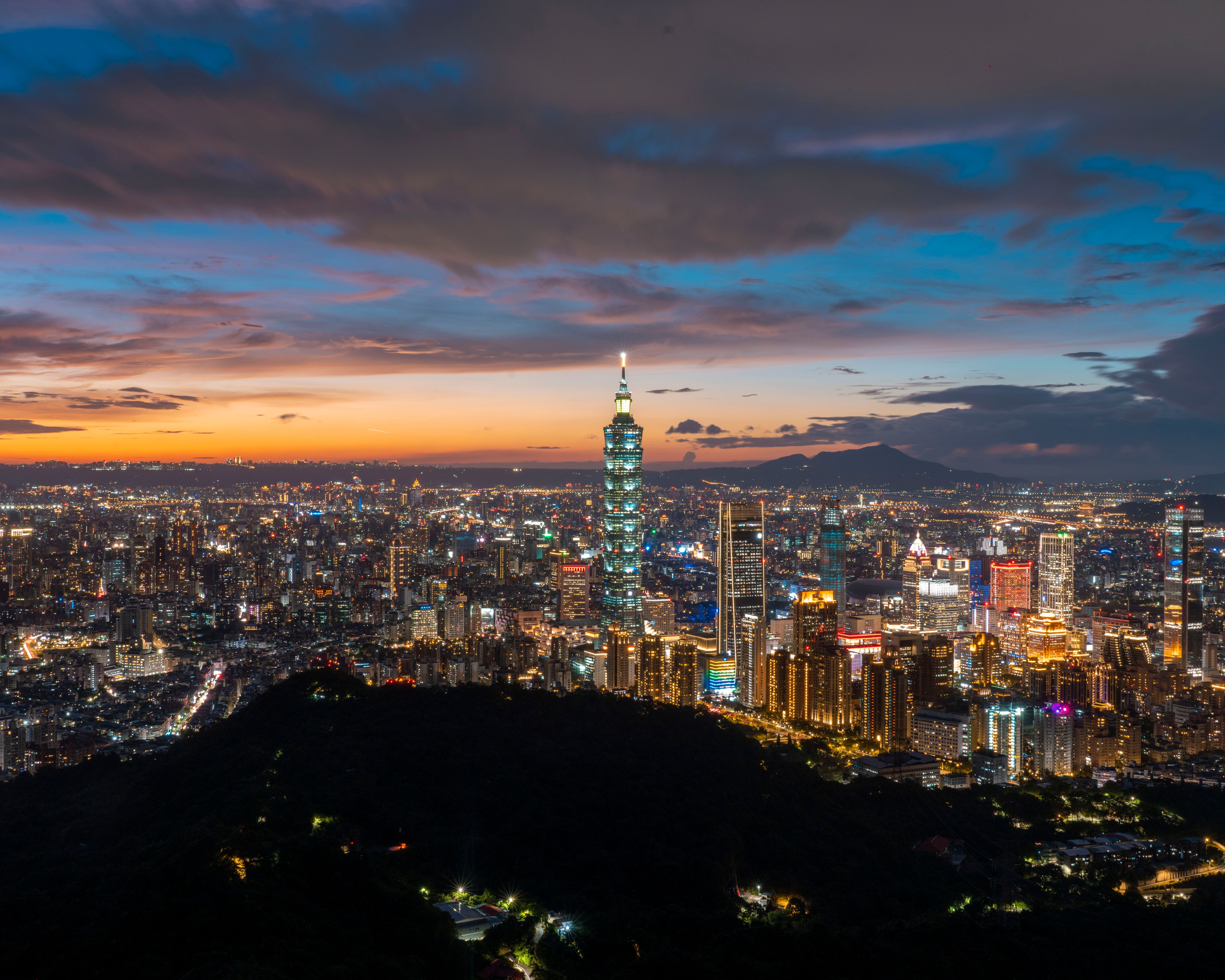
Taipei sits in a humid subtropical basin ringed by green mountains, which means the city has a personality that shifts hard with the seasons. Summers are hot, sticky, and prone to sudden downpours and the occasional typhoon; winters are mild but damp and grey; and the brief shoulder windows in spring and autumn deliver the comfortable, walkable weather most visitors hope for.
Three things drive the decision of when to go: weather (humidity and rain are the real story here, not cold), crowds (which spike around Lunar New Year and the summer holidays), and the calendar of festivals, from lantern displays to dragon boat races. Taipei is a year-round city with covered arcades, an excellent metro, and night markets that run rain or shine, so almost any month works, but some are clearly more pleasant than others.
If you want crisp air, blue skies, and easy days exploring temples, mountains, and night markets, aim for autumn. If you are chasing hot springs, festival atmosphere, or cheaper off-peak rooms, other windows make more sense. Here is how the year breaks down.
The best time to visit Taipei is autumn, from late September to November, when the humidity drops, rain eases, and temperatures settle into a comfortable 20-28C (68-82F) with the clearest skies of the year. Spring (March to April) is a close second, while summer brings heat, humidity, and typhoon risk.
Planning a trip to Taipei?
The short version
Through the year
Spring is pleasant and green, with comfortable temperatures early on and flowers blooming on Yangmingshan. The trade-off is unpredictable rain that builds toward the damp plum-rain weeks of May. A good choice if you want mild weather and can pack a compact umbrella.
Summer in Taipei is steamy and sweaty, the kind of heat that has you ducking into air-conditioned malls and convenience stores. The upside is long days, lively energy, and night markets that come alive after dark when temperatures ease. Be ready for sudden downpours and the chance a typhoon disrupts travel plans.
Autumn is when Taipei is at its most agreeable: warm, dry, and bright, perfect for hiking, temple-hopping, and exploring on foot. Typhoon risk lingers into early autumn but fades by late October. If you only get one window, make it now.
Winter is Taipei's hot-spring season, when the cool, wet air makes Beitou's thermal baths irresistible. Days are short on sun and long on drizzle, but the city is quieter and cheaper outside the Lunar New Year rush. Pack layers and a waterproof jacket.
Notable events & festivals
Be cautious from July through September, the peak of typhoon season, when a major storm can shut down transport and attractions for a day or more. Skip the Lunar New Year holiday week itself unless you specifically want the festival atmosphere, as prices spike, trains book out, and many smaller restaurants and shops close. The plum-rain weeks of May and the deep humidity of midsummer are also worth weighing if you wilt in heat.
Got your dates? Build the trip around them.
We'll plan a custom Taipei itinerary tuned to your travel month and pace.
Frequently asked questions
What is the cheapest month to visit Taipei?
Is Taipei worth visiting in winter?
How many days do you need in Taipei?
When is typhoon season in Taipei?
What is the best month for good weather in Taipei?
Taipei rewards visitors in every season, but if you want the easiest, brightest days, aim for that autumn window from October into November. Whatever month you choose, pack an umbrella, plan around the festival calendar, and let the night markets do the rest. Start mapping out your dates and you will find Taipei is one of Asia's most welcoming cities to explore.
Build your own Taipei trip
Tell us how many days, your budget, and what you're into. We'll turn it into a custom, day-by-day Taipei itinerary.