
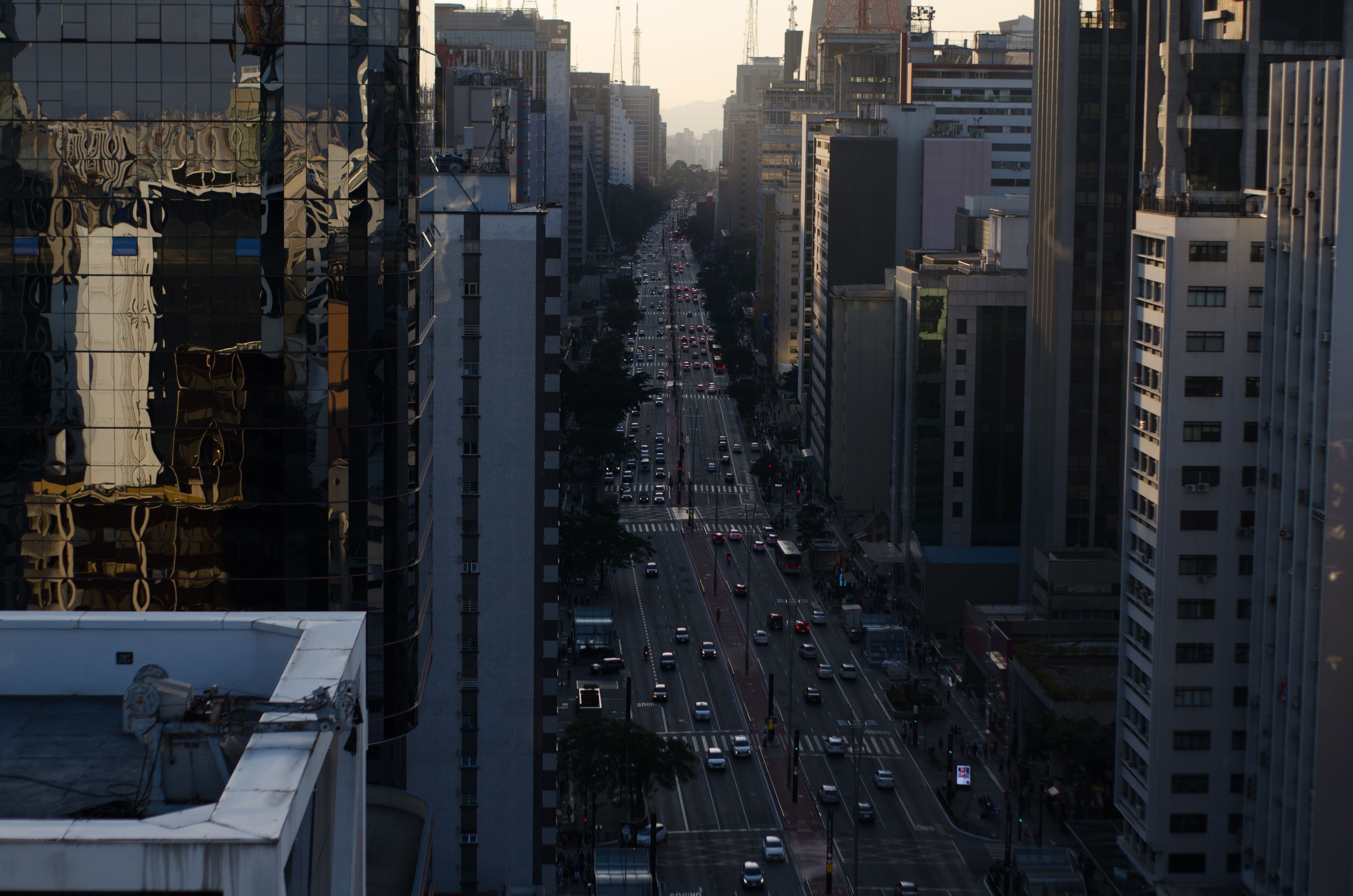
São Paulo is not a beach city or a postcard town, and it does not run on a tourist calendar the way Rio does. This is South America's biggest, busiest, hungriest metropolis, a place you come to for restaurants, art, nightlife, music, and street life that never quite stops. Because the draw is mostly indoors and after dark, the weather matters less here than in most destinations, which means there is no truly bad time to go.
That said, the city sits on a plateau about 760 meters (2,500 feet) above sea level, so it is cooler and more changeable than its tropical latitude suggests. Locals joke that you can get all four seasons in a single afternoon. The real decisions come down to rain (heaviest in summer), crowds and prices (highest around Carnival and the December holidays), and whether you want to time your trip to a specific event such as Pride, Lollapalooza, or the Formula 1 Grand Prix.
Remember that São Paulo is in the Southern Hemisphere: summer falls in December to February and winter in June to August. The driest, most comfortable months for walking the city are the cooler ones, roughly April through September.
The best time to visit São Paulo is from April to September, the dry season, when rainfall is low and daytime temperatures are a comfortable 20 to 25°C (68 to 77°F). For warm weather and big festivals, come in the December-to-February summer, but expect frequent afternoon downpours and peak-season prices around Carnival.
Planning a trip to São Paulo?
The short version
Through the year
Summer is loud, warm, and festive, with Carnival blocos, the city's January 25 birthday, and a packed nightlife calendar. The trade-off is sticky heat and reliable late-day downpours, so plan museums and long lunches for the afternoon. Best for travelers who want energy and events over comfortable weather.
Autumn is arguably the most pleasant stretch to visit: warm enough for outdoor markets and parks, dry enough to skip the umbrella most days, and lively with cultural programming. March still sees the odd storm and the Lollapalooza rush, but April and May settle into clear, easy days. A great fit for first-timers.
Winter suits travelers who prioritize value, mild walking weather, and the city's indoor strengths: world-class restaurants, museums, theaters, and bars. June delivers one of the planet's largest Pride parades, drawing millions to Avenida Paulista. Just pack warm layers, as evenings get surprisingly cold for Brazil.
Spring blends mild temperatures with reawakening greenery in Ibirapuera and the botanical garden, and it caps off with the Brazilian Grand Prix at Interlagos in November. Expect the occasional early-season storm as humidity climbs. A solid choice for motorsport fans and anyone wanting warm-but-not-sweltering days.
Notable events & festivals
There is no season to truly avoid, but the peak summer weeks around Carnival and New Year bring the highest prices, biggest crowds, and most disruptive afternoon thunderstorms. If your trip is about easy sightseeing rather than partying, skip late December through February.
Got your dates? Build the trip around them.
We'll plan a custom São Paulo itinerary tuned to your travel month and pace.
Frequently asked questions
What is the cheapest time to visit São Paulo?
Is São Paulo worth visiting in winter?
What is the rainy season in São Paulo?
How many days do you need in São Paulo?
When is the best time to visit São Paulo for good weather?
São Paulo rewards visitors in every season, so let your priorities decide: April to September for the kindest weather and lowest prices, or the summer festival run if you want Carnival energy and warm nights. Pin down your dates around the event you care about most, book early for Pride and Grand Prix weekends, and get ready for one of the world's great eating and nightlife cities.
Build your own São Paulo trip
Tell us how many days, your budget, and what you're into. We'll turn it into a custom, day-by-day São Paulo itinerary.