
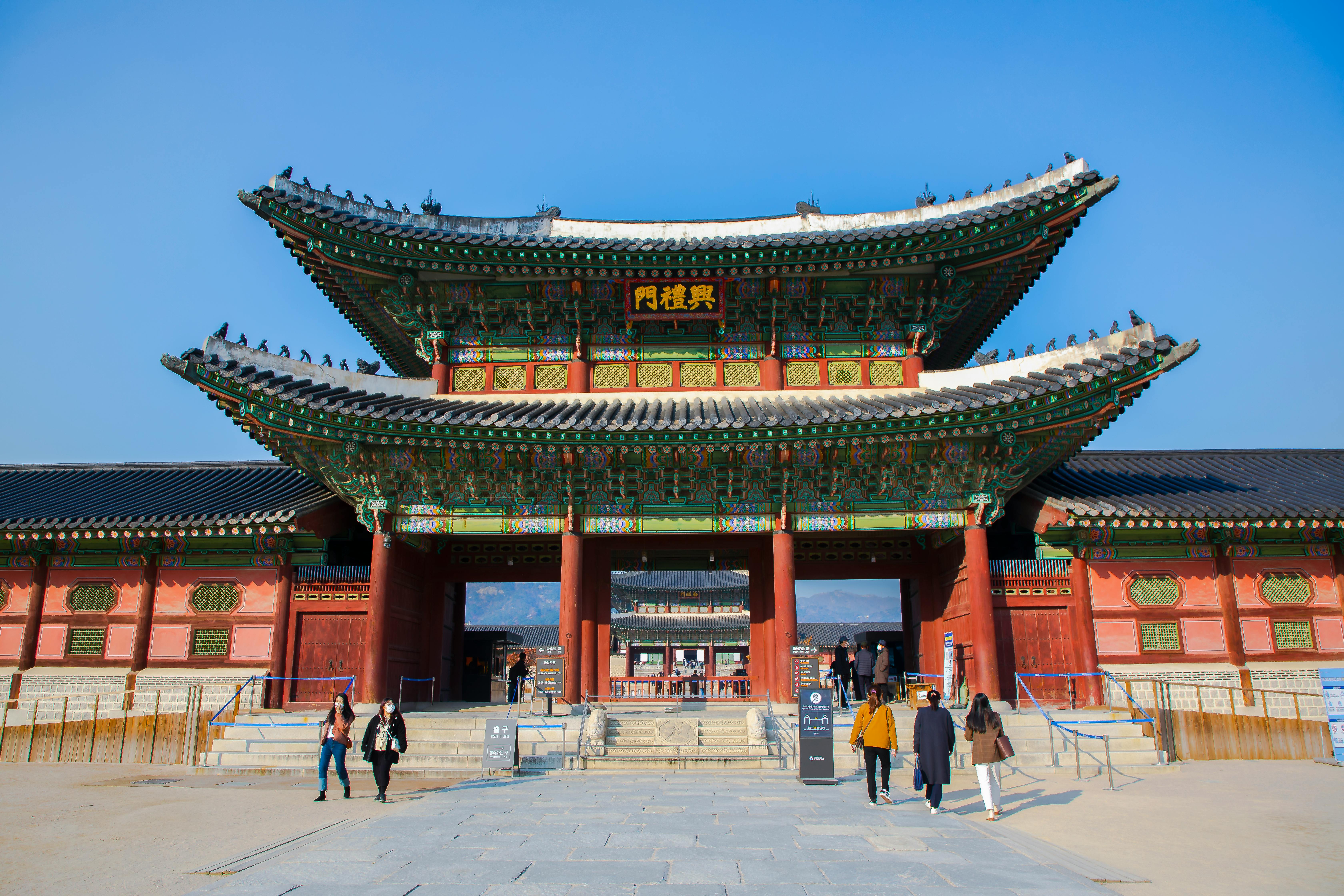
Seoul runs on four sharply defined seasons, and the gap between them is enormous. A city that hits 30C (86F) with soupy humidity in August will drop below freezing by January, so timing matters more here than in many world capitals. The two windows almost everyone agrees on are spring and autumn, when the air is dry, the skies are blue, and the palaces and mountains look their best.
The decision usually comes down to three things: weather, crowds, and what you want to see. Cherry blossoms peak for barely a week in early April; the fiery maples and ginkgos of autumn last through late October and into November. Summer brings a genuine monsoon (the jangma) plus heat and humidity, while deep winter is cold and clear but rewards visitors with quiet palaces and easy ski access.
Prices track the seasons loosely. Peak-blossom weekends and the autumn foliage window push hotel rates up, while the cold heart of winter and the sticky depths of midsummer are when you will find the cheapest flights and rooms. Below is how each season actually feels on the ground.
The best time to visit Seoul is spring (April to May) and autumn (September to November), when temperatures are mild, humidity is low, and skies are clear. Early April brings cherry blossoms and October delivers spectacular fall foliage, though both are the busiest and most expensive windows.
Planning a trip to Seoul?
The short version
Through the year
Spring is arguably Seoul's prettiest season, capped by the brief cherry-blossom explosion in early April and followed by mild, flower-filled weeks. Air quality can dip on hazy days, so check the fine-dust forecast and pack a mask if sensitive. Ideal for walkers, photographers, and anyone who wants comfortable sightseeing weather.
Summer in Seoul is sticky and wet, with monsoon downpours that can flood streets and derail outdoor plans. The upside is lower prices, long daylight, energetic nightlife, and air-conditioned refuges in cafes, malls, and museums. Suits budget travelers and night owls who do not mind heat and can pivot indoors when the rain hits.
Autumn delivers Seoul at its best: crisp blue skies, comfortable temperatures, and hillsides turning red and gold from late October. It is the top choice for hiking Bukhansan, palace-hopping, and photography. Book early, as this is prime domestic and international travel season.
Winter is bracingly cold but bright, with quiet palaces, festive lighting, and easy day trips to ski resorts within a couple of hours of the city. Dress in serious layers and duck into Seoul's endless cafes and underground shopping to warm up. Best for budget travelers, snow lovers, and anyone who prizes elbow room over warmth.
Notable events & festivals
Skip mid-July if you can, when the jangma monsoon peaks and heavy rain can flood streets and cancel outdoor plans; late July and August pair humidity with typhoon risk. Also plan carefully around Seollal and Chuseok, when many restaurants and shops close and transport is jammed with domestic travelers. If air quality matters to you, March and early April can bring hazy yellow-dust days.
Got your dates? Build the trip around them.
We'll plan a custom Seoul itinerary tuned to your travel month and pace.
Frequently asked questions
What is the cheapest month to visit Seoul?
When can you see cherry blossoms in Seoul?
Is Seoul worth visiting in winter?
How many days do you need in Seoul?
What is the best month for good weather in Seoul?
Whether you come for the pink blur of April blossoms, the golden hills of October, or the quiet, snow-lit palaces of January, Seoul rewards good timing. Pin down the season that matches your priorities, book early for the spring and autumn peaks, and start mapping out palaces, mountains, and late-night street food.
Build your own Seoul trip
Tell us how many days, your budget, and what you're into. We'll turn it into a custom, day-by-day Seoul itinerary.