
The Best Time to Visit Santo Domingo: A Season-by-Season Guide

The capital of the Dominican Republic rewards travelers who dodge the rain and the cruise crowds. Here is exactly when to go.
Last updated June 22, 2026
The Best Time to Visit Santo Domingo: A Season-by-Season Guide
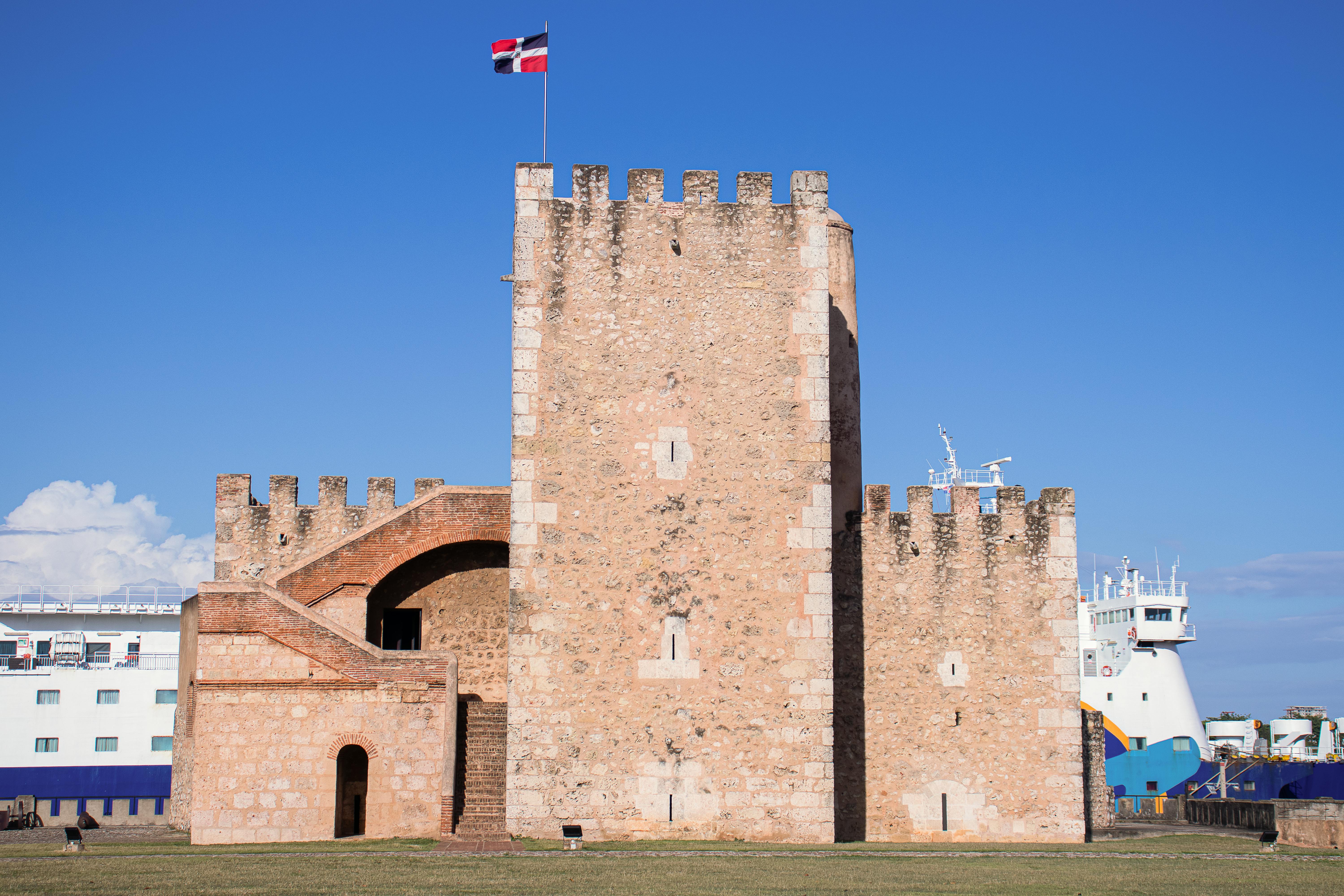
Old stone fortification, Fortaleza Ozama, under clear blue sky in Santo Domingo, Dominican Republic. · Julio Loaiza Miranda

Santo Domingo sits on the Caribbean coast of the Dominican Republic, and its weather is more even than dramatic: it is warm all year, with highs hovering in the low 30s C (high 80s F) and water temperatures that rarely dip below swimming comfort. What actually changes through the year is rain, humidity, hurricane risk, and how many people are crowding the cobblestones of the Zona Colonial, the oldest continuously inhabited European settlement in the Americas.

Unlike the all-inclusive resort towns of Punta Cana, Santo Domingo is a working capital city of nearly three and a half million people. That means it is less seasonal than beach destinations: museums, restaurants, and nightlife run year-round. Still, the difference between a dry December afternoon and a soggy May downpour is real, and it shapes how much you will enjoy walking the historic core.

The big decision factors are simple. The dry, cooler season from December to April offers the most comfortable weather and the liveliest cultural calendar (Carnival peaks in February). The hurricane-prone late summer and early fall bring the highest rain and storm risk but also the lowest prices. Choose your window based on whether you prioritize comfort and events or savings and quiet streets.

Quick Answer

The best time to visit Santo Domingo is December to April, the dry season, when humidity drops, rain is minimal, and daytime highs sit around 29-31 C (84-88 F). February is a standout for Carnival celebrations, while the cheapest and quietest months are the rainier stretch from late August through October.

At a Glance

Best overallDecember to April. The dry season delivers the most reliable sunshine, lower humidity, comfortable evenings, and the city's richest cultural calendar, including Carnival in February.
Cheapest timeSeptember and October. Hurricane season keeps demand and airfare down, so hotel rates in the Zona Colonial and Piantini drop noticeably, as long as you accept the rain risk.
Fewest crowdsMay and early June, plus September. These shoulder and low months see fewer cruise visitors and tour groups in the Zona Colonial, giving you quieter cobblestone streets and easier restaurant reservations.
Best weatherJanuary to March. This is the driest, least humid window, with sunny days around 29-30 C (84-86 F) and cooler, breezy nights ideal for walking the historic center.
Best for CarnivalFebruary. Dominican Carnival builds every Sunday through the month and climaxes in late February, with the National Carnival Parade on the Malecon featuring elaborate diablos cojuelos costumes.
Best for nightlife and musicYear-round, but peaking around late February to early March. Carnival energy spills into the bars and merengue clubs, and the warm dry-season nights are made for outdoor dancing.

Season by Season

Dry season / Winter (December to April)

Weather Daytime highs of 29-31 C (84-88 F) and nighttime lows around 19-21 C (66-70 F). This is the least humid, least rainy stretch, with plenty of sunshine and refreshing trade winds.
Crowds Peak season. North American and European visitors escaping winter fill the Zona Colonial, and cruise ship arrivals at the Don Diego terminal add daytime crowds. Christmas, New Year, and Carnival are the busiest moments.
Prices High. Flights and hotels run at their annual peak, especially over the December holidays and around Carnival in February. Book several weeks ahead for the best rooms.

This is the most comfortable and lively time to be in Santo Domingo, with sunny days, manageable humidity, and a packed events calendar topped by Carnival. The trade-off is higher prices and busier historic streets. It suits first-time visitors and anyone who wants ideal walking weather.

Late spring (May to June)

Weather Highs of 31-32 C (88-90 F) with rising humidity. May brings the first real rainy spell, usually short afternoon downpours rather than all-day rain.
Crowds Shoulder season. Crowds thin out after Easter, making this one of the quieter and more relaxed times to explore.
Prices Mid to low. Rates ease from the winter peak, and you can find good value before summer family travel picks up.

A solid compromise window: still mostly sunny mornings, fewer tourists, and softer prices, with the main downside being occasional heavy afternoon showers. Bring an umbrella and plan outdoor sightseeing for earlier in the day. Good for budget-conscious travelers who still want decent weather.

Summer / Early hurricane season (July to August)

Weather Hot and humid, with highs around 32-33 C (90-91 F) and sticky, still nights near 23-24 C (73-75 F). Brief but intense rain showers are common, and the official Atlantic hurricane season is underway.
Crowds Moderate. Domestic and diaspora travel rises around summer holidays, but international tourist numbers are lower than winter.
Prices Mid. Some demand from returning Dominican families abroad keeps prices from bottoming out, but they are well below the winter peak.

Expect heat, humidity, and the chance of tropical storms, though direct hurricane hits on any given week are uncommon. It works if you can tolerate the mugginess and want the city's music and nightlife in full swing. Pack light, breathable clothing and stay flexible with plans.

Peak hurricane season / Fall (September to November)

Weather Highs of 31-32 C (88-90 F), very humid, and the wettest stretch of the year. September and October carry the highest hurricane and tropical-storm risk; conditions calm by mid-November as the dry season approaches.
Crowds Low. This is the quietest time in the Zona Colonial, with light cruise traffic and few tour groups.
Prices Lowest of the year in September and October, climbing back up through November. The best airfare and hotel deals appear now.

If you want the cheapest trip and empty streets, this is your window, but you are gambling on rain and the small chance of a major storm. Travel insurance and flexible bookings are smart. November is the sweet spot, drying out and quieter while prices remain reasonable.

Notable Events & Festivals

Dominican Carnival (every Sunday in February, climax late February) The country's biggest celebration, with costumed diablos cojuelos, masks, music, and parades. The National Carnival Parade takes over the Malecon seafront in Santo Domingo, usually the first Sunday of March, drawing huge crowds.
Dominican Independence Day (February 27) National independence is marked with parades, patriotic events, and fireworks, overlapping the Carnival season and adding to the festive late-February atmosphere.
Semana Santa / Holy Week (March or April) Easter week is a major holiday when many Dominicans travel and some businesses close. Religious processions take place, and the city is quieter while the coast fills up.
Santo Domingo de Guzman Festival (early August) The capital celebrates its patron saint with religious services, cultural events, and street festivities honoring the city's founding.
Merengue Festival (late July to early August) A celebration of the national dance and music, with concerts and performances along the Malecon and across the city, spotlighting merengue and bachata.
Christmas and New Year (December) The holiday season fills Santo Domingo with lights, music, family gatherings, and a festive energy; expect peak crowds and prices but a lively, welcoming mood.
When to Avoid

If you can, avoid September and October, the peak of Atlantic hurricane season and the wettest, most humid stretch of the year, when tropical storms can disrupt travel. Also weigh Holy Week (Semana Santa) carefully, as some businesses close and domestic travel surges, though the city itself stays quieter than the beaches.

Frequently Asked Questions

What is the cheapest month to visit Santo Domingo?
September and October are the cheapest months, when hurricane season suppresses demand and pushes down airfare and hotel rates. The trade-off is the highest rain and storm risk of the year, so flexible bookings and travel insurance are wise.
Is Santo Domingo worth visiting in the rainy season?
Yes, especially if you prioritize savings and quiet streets. Rain in Santo Domingo usually comes as short, heavy afternoon showers rather than all-day washouts, so you can still enjoy museums, dining, and the Zona Colonial by planning outdoor sightseeing for the mornings.
How many days do you need in Santo Domingo?
Two to three days is enough to explore the Zona Colonial, the Catedral Primada de America, the Alcazar de Colon, and the Malecon, plus sample the food and nightlife. Add a day or two if you want to take a day trip to nearby beaches like Boca Chica or Juan Dolio.
Does it get cold in Santo Domingo?
No. Santo Domingo is warm year-round, with daytime highs rarely below 29 C (84 F) even in winter. The coolest, most comfortable nights come from December to March, when temperatures can dip to around 19-21 C (66-70 F).
When is Carnival in Santo Domingo?
Dominican Carnival runs throughout February, with celebrations every Sunday, building to the National Carnival Parade on the Malecon in late February or early March. It overlaps Independence Day on February 27, making late February the most festive time to visit.

Santo Domingo is a year-round city, but for the best blend of sunshine, comfortable nights, and cultural energy, aim for December to April and pencil in February for Carnival. If your priority is value and you do not mind the rain, the late-summer and fall low season can be a bargain. Whenever you go, the cobblestones of the New World's oldest city are waiting.

Ready to book your trip?

Search Hotels
Search Homes

Traveling somewhere else?

Generate a custom itinerary