
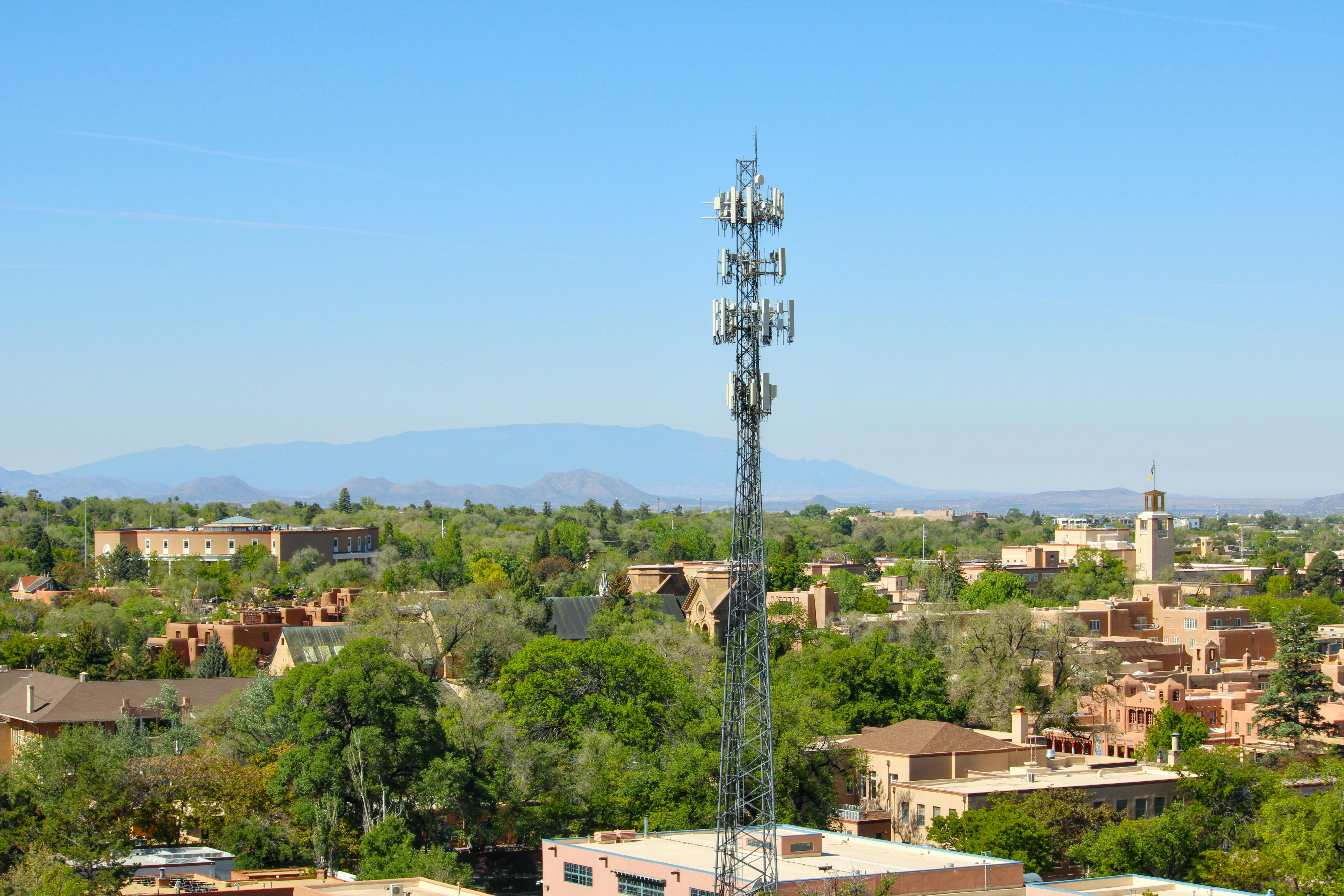
Perched at roughly 7,200 feet in the foothills of the Sangre de Cristo Mountains, Santa Fe is one of the highest and oldest state capitals in the United States, and its altitude shapes everything about a visit. The air is thin and dry, the sun is intense, and temperatures swing dramatically between day and night in every season. This is a place where you can sunbathe at noon and reach for a jacket by dinner.
Santa Fe runs on a rhythm of light, art, and food. Summer brings the marquee cultural events (opera, the world's largest Indian Market, and Spanish Market), while fall delivers cottonwood gold, mild afternoons, and the green chile harvest. Winter is quiet and comparatively cheap, with skiing 16 miles above town at Ski Santa Fe.
Deciding when to go comes down to weighing crowds and prices against weather and events. The high-summer weeks are the busiest and priciest; late spring and early fall hit the sweet spot for comfortable weather and thinner crowds; and the depths of winter reward bargain hunters willing to bundle up.
The best time to visit Santa Fe is September through October, when daytime temperatures sit in the comfortable 60s to 70s F (15-25C), summer crowds thin out, cottonwoods turn gold, and green chile season peaks. For festivals and warmest weather, come in July and August; for the lowest prices and skiing, visit December through February.
Planning a trip to Santa Fe?
The short version
Through the year
Spring is underrated but gusty, with fast-changing conditions and blossoming orchards. Late April and May reward you with warm afternoons, blooming gardens, and thin crowds. Pack layers and expect wind.
Summer is Santa Fe at full volume: opera under the stars, world-class art markets, and long, warm evenings on Canyon Road. The trade-off is crowds and top prices, plus daily monsoon downpours that usually pass within an hour. Book early and plan outdoor activities for the morning.
Fall is the connoisseur's season: golden aspens in the Sangre de Cristos, roasting green chile perfuming the air, and comfortable days made for hiking and gallery-hopping. Balloon Fiesta in nearby Albuquerque (early October) can tighten regional lodging. It suits travelers who want great weather without summer's crush.
Winter turns Santa Fe intimate: farolito-lined adobe walls at Christmas, uncrowded museums, and skiing 25 minutes from the Plaza. Days are bright but cold and short. It is the best time for budget travelers and skiers who do not mind bundling up.
Notable events & festivals
If you dislike crowds and high prices, avoid the third weekend of August (Indian Market), when hotels sell out and rates spike. Spring's windiest weeks (March into April) can be unpleasant for outdoor plans, and midsummer afternoons bring near-daily monsoon thunderstorms. Note that the altitude affects everyone: expect to feel short of breath the first day or two regardless of season.
Got your dates? Build the trip around them.
We'll plan a custom Santa Fe itinerary tuned to your travel month and pace.
Frequently asked questions
What is the cheapest month to visit Santa Fe?
Is Santa Fe worth visiting in winter?
How many days do you need in Santa Fe?
When is the best time to see fall colors in Santa Fe?
What is the weather like in Santa Fe in summer?
Santa Fe rewards travelers year-round, but if you want the best mix of weather, color, and calm, aim for September and October. Whenever you go, book festival-season lodging early, pack for big temperature swings, and give yourself a day to adjust to the altitude before hitting the trails.
Build your own Santa Fe trip
Tell us how many days, your budget, and what you're into. We'll turn it into a custom, day-by-day Santa Fe itinerary.