
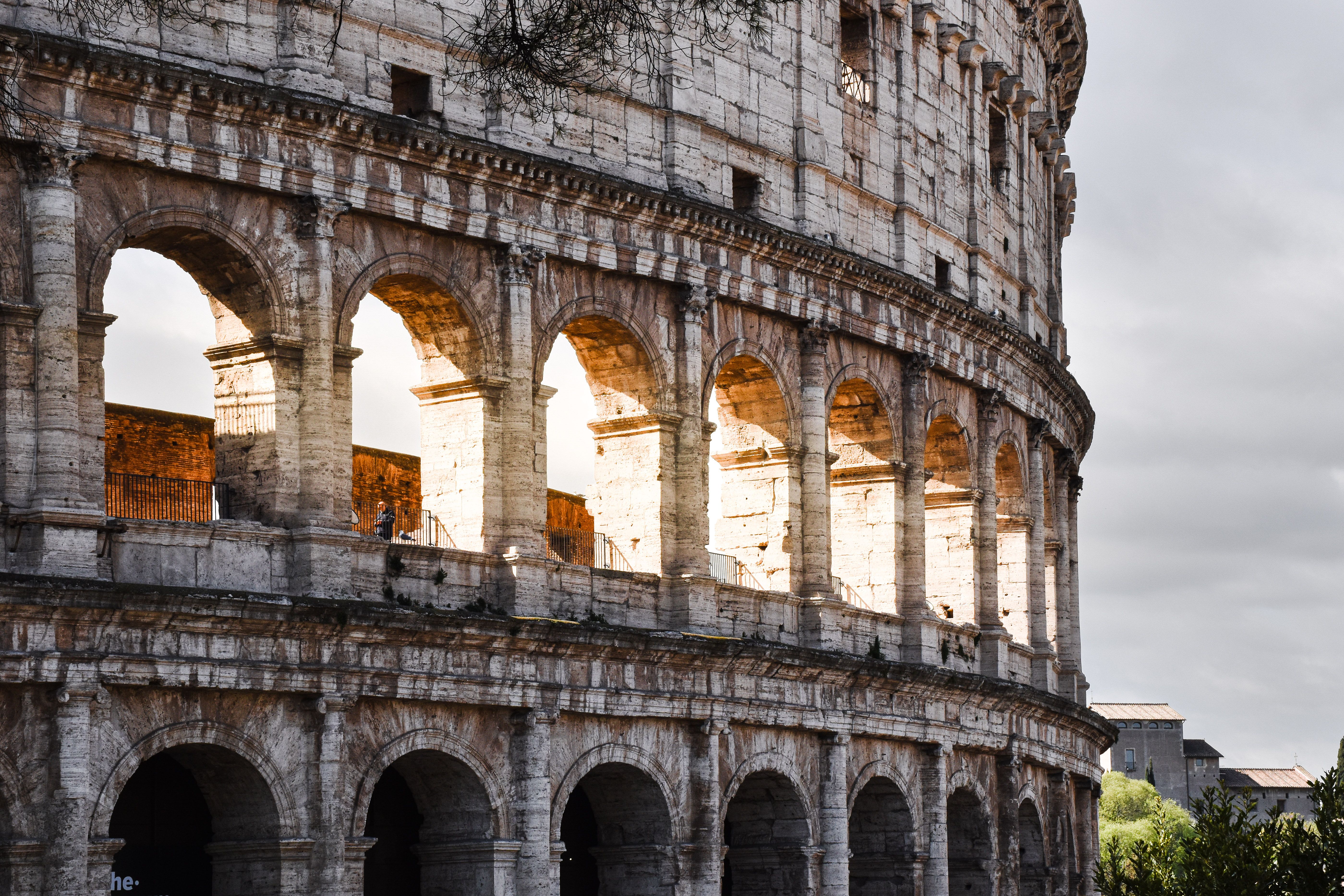
Sunlight streaming through the arches of the Colosseum in Rome, Italy, showcasing its historic architecture.
Best Time to Visit · Rome

The Best Time to Visit Rome: A Month-by-Month Guide

From spring's warm afternoons to the quiet, discounted weeks of winter, here is when to time your trip to the Eternal City.

Last updated July 10, 20267 min read

Rome rewards travelers who plan around its weather and its crowds rather than its calendar of must-sees, which are dazzling in any month. The decision comes down to three things: heat, tourist density, and price. Summer delivers long, sun-drenched days but also brutal midday temperatures and the year's thickest crowds; winter offers cool, quiet streets and the lowest prices you will find, at the cost of shorter days and the occasional rainy stretch.

The sweet spots are the shoulder seasons. Spring (April to May) and autumn (September to October) hit the balance most travelers want: comfortable temperatures for walking the city's open-air ruins, gardens and piazzas in bloom or golden light, and crowds that, while present, are far more bearable than the July peak.

Rome is also a city of religious and cultural calendars. Easter and its Holy Week draw enormous pilgrim crowds, August sees many locals decamp and some family-run businesses close for Ferragosto, and Christmas brings a festive glow to a quieter city. Knowing these rhythms is the difference between a smooth trip and a frustrating one.

Quick answer

The best time to visit Rome is April to May and September to October, when daytime temperatures sit comfortably around 20-26 C (68-79 F), the light is ideal for sightseeing, and crowds and prices ease off the summer peak. For the lowest prices and thinnest crowds, come in January or February.

At a glance

The short version

Best overall
Late April to May and late September to October. Warm but not hot days, long daylight, blooming or golden-lit gardens, and crowds that thin out compared to midsummer.
Cheapest time
January and February (excluding the days around New Year). Airfare and hotel rates drop sharply, and major sites are at their quietest.
Fewest crowds
Mid-January to early March. Cool weather keeps tour groups away, so you can see the Vatican Museums and Colosseum with minimal queues.
Best weather
May and late September to early October, with reliably sunny days around 22-27 C (72-81 F), low humidity, and cool evenings.
Best for festivals and atmosphere
Easter/Holy Week (late March or April) for Vatican ceremonies, and December for Christmas markets and nativity scenes, though both bring larger crowds.
Best for outdoor dining and piazza life
May, June, and September, when warm evenings fill the outdoor tables and rooftop bars without the oppressive July-August heat.
Season by season

Through the year

SpringMarch to May
Weather Cool early, warming steadily: March averages 8-16 C (46-61 F), climbing to 12-23 C (54-73 F) by May. Occasional spring showers, but many bright, mild days.
Crowds Building from moderate to heavy. Easter/Holy Week and the late-April to May stretch are busy; expect long queues at the Vatican and Colosseum.
Prices Mid to high, spiking around Easter and the early-May bridge holidays. Book major sites and hotels well ahead.

The most rewarding season for most visitors: comfortable walking weather, gardens like the Villa Borghese and the Orange Garden at their best, and long enough days to pack in sightseeing. The trade-off is company, especially around Easter. Ideal for first-time visitors who want mild weather and don't mind sharing the sights.

SummerJune to August
Weather Hot and often humid. June runs 17-28 C (63-82 F), July and August frequently hit 30-35 C (86-95 F) and beyond, with intense midday sun.
Crowds Peak in June and July with international tourists. August sees fewer foreign crowds at some sites but many Romans leave the city.
Prices High in June and July. August can be slightly cheaper on hotels as locals depart, but flights stay pricey.

Long days and buzzing evenings, but the heat is real: plan sightseeing for early morning and after 5pm, and carry water (the city's nasoni fountains are free and drinkable). Around Ferragosto (August 15) many family-run trattorias and shops shut for holidays. Best for those who can tolerate heat and want the longest days and latest sunsets.

AutumnSeptember to November
Weather September stays warm at 17-28 C (63-82 F), October eases to 13-23 C (55-73 F), and November cools to 8-17 C (46-63 F) with rising rainfall.
Crowds September is still busy; October moderates; November is noticeably quieter apart from a spike around All Saints' Day (November 1).
Prices High in September, tapering through October to lower rates by November.

Arguably tied with spring as the best time to visit. Early autumn keeps summer's warmth without the searing heat, and the light turns golden and photogenic. November brings shorter days and more rain but real bargains and calm. Great for walkers, photographers, and anyone chasing value with decent weather.

WinterDecember to February
Weather Cool and damp but rarely freezing: 3-13 C (37-55 F) typically, with some rainy stretches and crisp, sunny days. Snow is very rare.
Crowds The lowest of the year, except for a busy spell around Christmas, New Year, and Epiphany (January 6). January and February are wonderfully quiet.
Prices The cheapest of the year on flights and hotels, aside from the Christmas-to-New Year window.

Rome without the lines: you can wander the Forum or the Vatican Museums with room to breathe, and prices are at their lowest. Days are short and you'll want a warm coat and umbrella, but the city is atmospheric and the festive season adds sparkle. Best for budget travelers and repeat visitors who prioritize space over sunshine.

On the calendar

Notable events & festivals

Easter and Holy Week (late March or April)Rome's biggest religious event, culminating in the Pope's Easter Sunday Mass and Urbi et Orbi blessing in St. Peter's Square. Expect enormous pilgrim crowds citywide.
Natale di Roma (April 21)The city celebrates its legendary founding in 753 BC with historical reenactments, gladiator parades, and events around the Circus Maximus and ancient sites.
Estate Romana (June to September)A summer-long program of open-air cinema, concerts, and cultural events along the Tiber and across the city, animating warm evenings.
Ferragosto (August 15)A major national holiday when many Romans leave the city and numerous shops and restaurants close, leaving parts of Rome unusually quiet.
Rome Film Festival (October)An international film festival centered on the Auditorium Parco della Musica, drawing directors, premieres, and cinema fans.
Christmas and Epiphany (December to January 6)Nativity scenes (presepi), lights, and markets, notably in Piazza Navona, plus the Befana tradition on Epiphany. Festive but busier and pricier than the rest of winter.
When to avoid

If you dislike heat and crowds, avoid July and early August, when temperatures routinely exceed 32 C (90 F) and the city is packed. Skip mid-August (Ferragosto) if you want full restaurant and shop availability, and be aware Easter week brings the year's densest crowds and highest prices.

Got your dates? Build the trip around them.

We'll plan a custom Rome itinerary tuned to your travel month and pace.

Generate itinerary

Frequently asked questions

What is the cheapest month to visit Rome?
January and February are the cheapest months, with the lowest airfare and hotel rates and the smallest crowds. Avoid the pricey window right around Christmas and New Year.
Is Rome worth visiting in winter?
Yes. Winter offers Rome at its quietest and cheapest, letting you see major sites like the Colosseum and Vatican Museums without long queues. Days are short and it can be rainy, but the atmosphere is calm and festive around the holidays.
How many days do you need in Rome?
Three to four full days is enough for first-time visitors to cover the Colosseum and Roman Forum, the Vatican and St. Peter's, and the main piazzas and fountains at a reasonable pace. Add a day or two if you want museums, day trips, or a slower rhythm.
What is the hottest month in Rome?
July and August are the hottest, with daytime highs often between 30 and 35 C (86-95 F) and strong midday sun. Plan sightseeing for early morning or evening and stay hydrated.
When is the best time to visit Rome to avoid crowds?
Mid-January through early March sees the fewest tourists, followed by November. These periods offer short queues at the top attractions and lower prices, at the cost of cooler, shorter days.

Rome is a year-round city, but timing your visit to spring or autumn gives you the best mix of weather, light, and manageable crowds, while winter rewards budget-minded travelers with quiet and low prices. Decide what matters most to you, warm evenings, thin crowds, or the lowest fares, and build your trip around it. Whenever you go, book your Vatican and Colosseum tickets in advance and you'll have a smoother stay in the Eternal City.

Plan with MagicTrips

Build your own Rome trip

Tell us how many days, your budget, and what you're into. We'll turn it into a custom, day-by-day Rome itinerary.

Ready to book your stay?

Hotels
Homes

Traveling somewhere else?

Generate a custom itinerary