
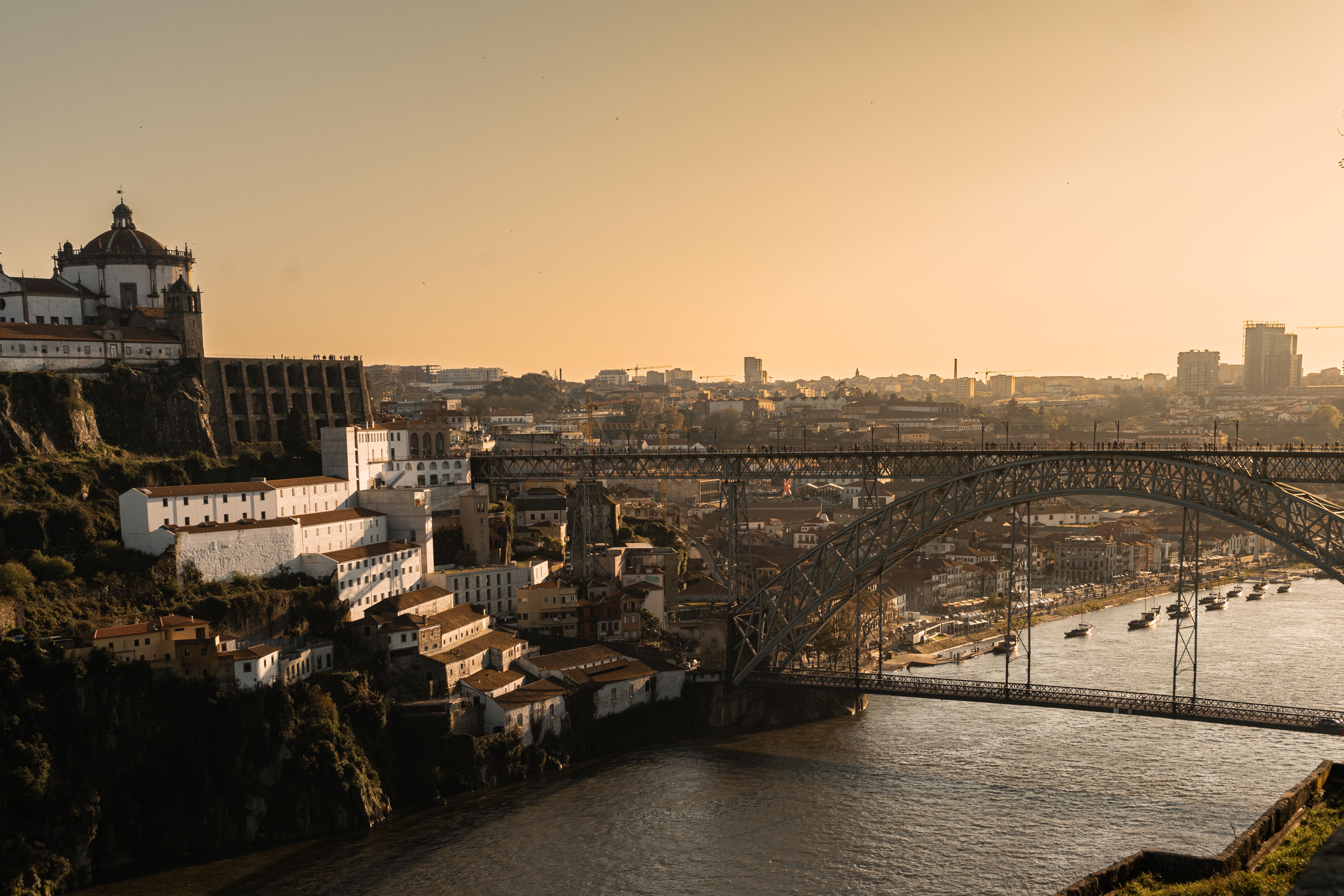
A captivating sunset view of Porto's skyline featuring the iconic Dom Luís I Bridge and riverfront.
Best Time to Visit · Porto

The Best Time to Visit Porto: A Season-by-Season Guide

From sun-soaked riverside afternoons to misty wine-harvest mornings, here is exactly when to plan your trip to Portugal's second city.

Last updated June 28, 20267 min read

Porto sits on the Atlantic at the mouth of the Douro River, and that location shapes everything about its weather. Summers are warm and reliably dry, winters are mild but distinctly wet, and the shoulder seasons deliver the sweet spot of pleasant temperatures without the peak-season squeeze. Unlike inland Spain or southern Portugal, Porto rarely roasts, even in August it stays comfortable, but it does get more rain than most visitors expect.

Your decision really comes down to three trade-offs: heat and dryness versus rain, crowds versus quiet, and price. June through September is the busiest and priciest stretch, but it also brings the city's biggest party (Sao Joao) and the best beach weather. The quieter months of spring and autumn give you mild days, thinner crowds, and lower hotel rates, while winter is cheapest of all if you can handle frequent showers.

Porto is a year-round city break thanks to its port wine lodges, covered markets, and atmospheric old town, so there is no truly bad time to come. The question is what you want most: sunshine, wine harvest, festivals, or a bargain.

Quick answer

The best time to visit Porto is from May to June and September to October, when temperatures sit around 20 to 25C (68 to 77F), rain is infrequent, and crowds and prices are lower than the July-August peak. For the city's signature festival, come for Sao Joao on the night of June 23, and for the Douro wine harvest, target late September into October.

At a glance

The short version

Best overall
Late May to June and September to early October. You get warm, mostly dry days, long daylight, and manageable crowds, plus Sao Joao in late June and the harvest buzz in autumn.
Cheapest time
November to February (excluding Christmas and New Year). Flights and hotels drop sharply, and you can find well-located rooms at a fraction of summer rates, though you will trade sunshine for showers.
Fewest crowds
January and February. The Ribeira waterfront, wine lodges, and major sights are at their quietest, with short or no queues at attractions like Livraria Lello.
Best weather
July and August, with warm, dry days around 25 to 28C (77 to 82F) and almost no rain. This is also the best window for the nearby Atlantic beaches at Foz and Matosinhos.
Best for the wine harvest
Late September to October, when the Douro Valley vineyards upriver come alive with the grape harvest (vindima) and the surrounding hills turn gold and red.
Best for festivals
June, anchored by Sao Joao on the night of June 23, one of Europe's liveliest and most chaotic street parties, complete with grilled sardines, fireworks, and plastic hammers.
Season by season

Through the year

SpringMarch to May
Weather Cool to mild, warming through the season. Daytime highs run 16 to 21C (61 to 70F), with cool nights and frequent showers early on that ease by May. Expect a mix of sun and rain.
Crowds Low to moderate. Easter week brings a short bump, but otherwise the city is calm until late May, when crowds start to build.
Prices Mid-range and good value. Hotel rates climb gradually but stay well below summer peaks, with the best deals in March.

Spring is one of Porto's most rewarding seasons, with gardens in bloom, comfortable walking weather, and thin crowds. Bring a rain jacket for March and April, but by May you will get long, pleasant days. Ideal for travelers who want sightseeing without the heat or the lines.

SummerJune to August
Weather Warm and dry, the driest stretch of the year. Highs of 24 to 28C (75 to 82F), cooler near the coast thanks to Atlantic breezes, and very little rain. Evenings stay mild.
Crowds Peak. July and August are the busiest months, with packed Ribeira streets, queues at top sights, and a flood of visitors around Sao Joao in late June.
Prices Highest of the year. Flights and hotels peak in July and August, and the best-located rooms book out early.

This is Porto at its liveliest, with reliable sunshine, riverside terraces, beach days at Foz, and the explosive Sao Joao festival. The downside is the crowds and prices, plus the heat inland if you head to the Douro. Best for sun-seekers, festival-goers, and beach lovers who do not mind the bustle.

AutumnSeptember to November
Weather Warm and dry in September, cooling and wetter into November. September highs around 24C (75F) ease to about 16C (61F) by November, with rain returning steadily from mid-October.
Crowds Moderate in September, dropping to low by November. The post-summer lull makes it one of the most relaxed times to visit.
Prices Mid-range, falling through the season. September still carries some summer premium, but October and November offer real value.

Early autumn rivals late spring as the best time to come: warm days, fewer people, and the Douro Valley harvest in full swing. September is the prime window before the rains pick up. Great for wine lovers and anyone wanting summer warmth without the crush.

WinterDecember to February
Weather Mild but wet, the rainiest season. Daytime highs of 13 to 15C (55 to 59F), chilly nights, and frequent Atlantic rain and gray skies. Frost is rare and snow essentially never falls.
Crowds Lowest of the year, aside from a spike around Christmas and New Year. January and February are genuinely quiet.
Prices Cheapest, outside the holiday period. Flights and hotels hit their annual lows, with strong bargains in January and February.

Winter Porto is moody and atmospheric, ideal for lingering in port wine lodges, cozy tascas, and the Livraria Lello without the summer scrum. Pack waterproofs and expect to plan around showers. Best for budget travelers and those who prefer empty streets over sunshine.

On the calendar

Notable events & festivals

Sao Joao Festival (night of June 23)Porto's defining celebration, a citywide all-night street party honoring Saint John with grilled sardines, bonfires, fireworks over the Douro, and the bizarre tradition of bopping strangers on the head with squeaky plastic hammers.
Serralves em Festa (late May or early June)A free, 40-hour arts and culture marathon across the Serralves museum, park, and villa, with music, theater, dance, and family events. One of Europe's largest contemporary culture festivals.
Douro Valley Wine Harvest / Vindima (late September to October)The grape harvest season in the Douro upriver, when quintas (wine estates) open for picking, foot-treading, and tastings. A scenic day trip or overnight from Porto during the most beautiful time in the vineyards.
Festa de Sao Martinho / Magusto (November 11)Saint Martin's Day, marked across northern Portugal with roasted chestnuts (castanhas) and the year's new young wine (jeropiga and agua-pe), a cozy autumn tradition in markets and cafes.
Christmas and New Year (December)Porto lights up with festive decorations, a market and lights along Avenida dos Aliados, and a lively New Year's Eve celebration with fireworks over the river.
When to avoid

If you dislike rain, avoid November through February, the wettest months, when gray skies and showers are common (though prices are lowest). If you want to dodge crowds and peak prices, skip mid-July to August and the days right around Sao Joao (June 23), when the city is at its most packed and accommodation is most expensive.

Got your dates? Build the trip around them.

We'll plan a custom Porto itinerary tuned to your travel month and pace.

Generate itinerary

Frequently asked questions

What is the cheapest month to visit Porto?
January is typically the cheapest month, with the lowest flight and hotel prices of the year and the fewest crowds. November and February are similarly affordable, as long as you avoid the Christmas and New Year holiday spike.
Is Porto worth visiting in winter?
Yes, if you do not mind rain. Winter Porto is quiet, cheap, and atmospheric, perfect for port wine lodge tours, cozy restaurants, and visiting sights like Livraria Lello without long queues, though you should pack a good waterproof and expect frequent showers.
How many days do you need in Porto?
Two to three days is enough to see the historic center, cross the Dom Luis I Bridge, tour the port wine lodges in Vila Nova de Gaia, and enjoy the Ribeira. Add an extra day or two for a Douro Valley wine trip or coastal time at Foz.
When is the best time to see the Douro Valley from Porto?
Late September and October during the grape harvest (vindima) is the most scenic and atmospheric time, when the terraced vineyards turn gold and estates host tastings. Spring (May) is also lovely, with green hills and mild weather before the summer heat.
What is the weather like in Porto in summer?
Summer is warm and dry, with daytime highs of 24 to 28C (75 to 82F), little rain, and refreshing Atlantic breezes near the coast. It is the most reliable season for sunshine and beach days, though also the busiest and most expensive.

Whether you come for the blossoms of spring, the sardine-scented chaos of Sao Joao, the golden harvest hills of autumn, or a bargain winter escape, Porto rewards visitors in every season. Pin down what matters most to you (weather, crowds, wine, or price), pick your window, and start planning a city break that pairs riverside charm with a glass of port.

Plan with MagicTrips

Build your own Porto trip

Tell us how many days, your budget, and what you're into. We'll turn it into a custom, day-by-day Porto itinerary.

Ready to book your stay?

Hotels
Homes

Traveling somewhere else?

Generate a custom itinerary