
The Best Time to Visit Plovdiv: A Season-by-Season Guide
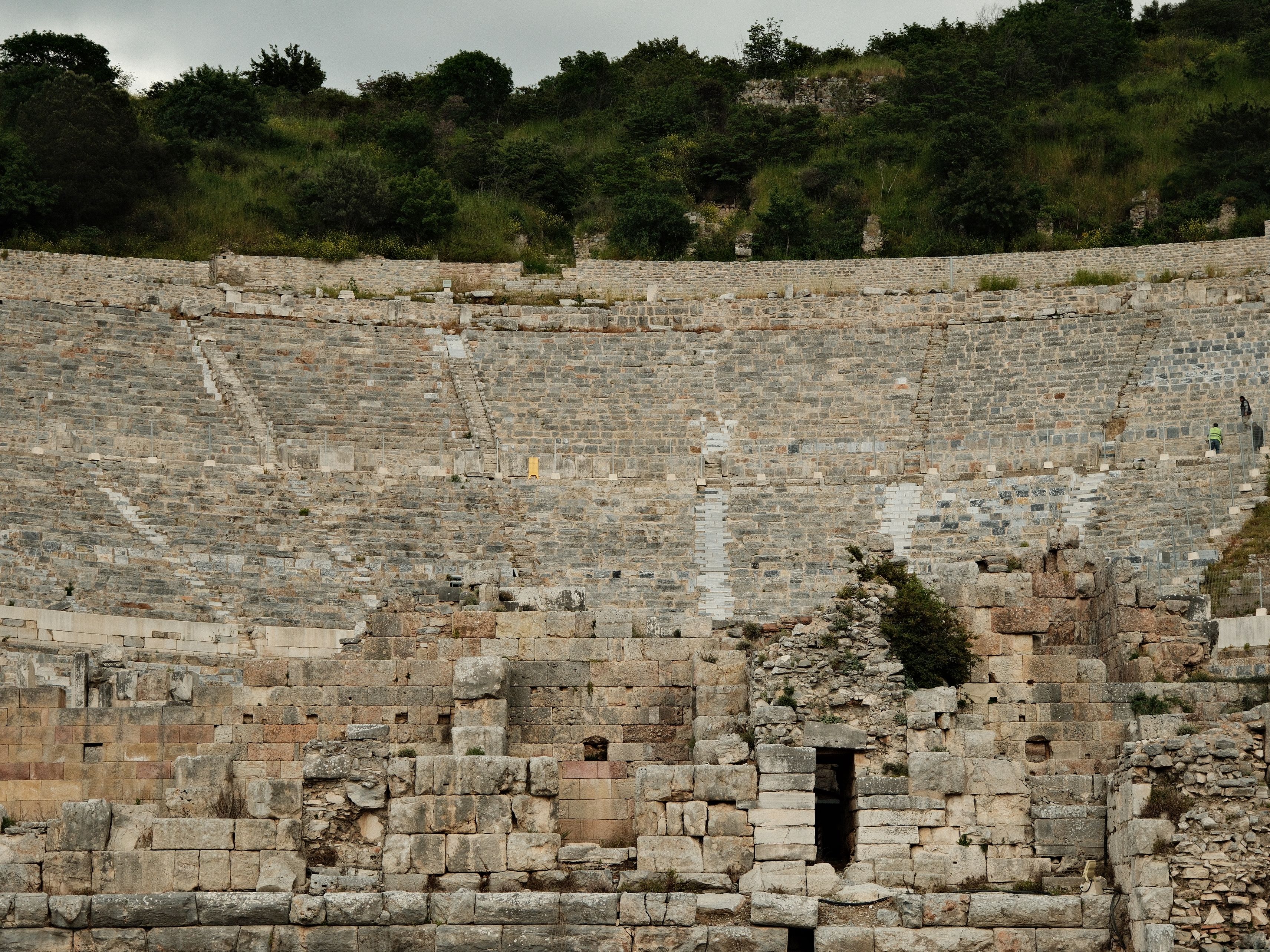
Plovdiv rewards travelers who time their visit well. Bulgaria's second city wears nearly 8,000 years of history on its sleeve, from a 2nd-century Roman amphitheatre still used for concerts to the pastel mansions of the Old Town and the bars and galleries of the Kapana creative district. How you experience all of it depends heavily on the season: the same cobbled lanes that glow in golden September light can be slick with February ice or baked by July heat.
Plovdiv sits in the Upper Thracian Plain, which gives it a continental climate with hot, dry summers and cold, sometimes snowy winters. Spring and autumn are the sweet spots, when temperatures are mild, the light is soft, and the city's outdoor cafes and ancient ruins are at their most pleasant. Summer brings the biggest festivals but also the strongest heat, while winter is quiet, cheap, and atmospheric for those who do not mind the cold.
Because Plovdiv is compact and still far cheaper than Western Europe, the decision usually comes down to weather and events rather than budget. This guide breaks down what each season actually feels like so you can match your trip to what you want out of it.
The best time to visit Plovdiv is from May to June and again in September to early October, when temperatures sit in the comfortable 18-28C (64-82F) range, the Old Town and Roman ruins are easy to explore on foot, and crowds and prices stay moderate. September is the single best month, pairing warm, dry weather with the city's biggest cultural festivals.
Planning a trip to Plovdiv?
At a Glance
Season by Season
Spring (March to May)
Spring is one of the loveliest times to visit, with blossoms in the parks, green hills around the city, and comfortable walking weather. Early spring can still be chilly and changeable, so pack layers, but by May the outdoor cafe season is in full swing. Great for sightseeing without the summer heat or crowds.
Summer (June to August)
Summer is Plovdiv at its liveliest, with concerts in the Roman Theatre, terraces buzzing until late, and a full festival calendar. The trade-off is heat: midday in July and August can be oppressive, so plan sightseeing for mornings and evenings. Best for travelers who want energy and events and do not mind the warmth.
Autumn (September to November)
Autumn is arguably the best season overall. September keeps summer's warmth while losing its crowds and heat, and it coincides with the city's strongest run of festivals and the wine harvest. October offers crisp, clear days ideal for walking, and by November the city is quiet, atmospheric, and cheap.
Winter (December to February)
Winter is quiet and inexpensive, with the Old Town looking especially atmospheric under occasional snow and a small Christmas market adding cheer in December. Days are short and many outdoor venues close, but indoor sights, museums, and cozy mehana taverns remain open. Best for budget travelers and those who prefer solitude over sunshine.
Notable Events & Festivals
Skip the peak of July and August if you are sensitive to heat, as temperatures regularly exceed 35C (95F) and midday sightseeing becomes uncomfortable. The Christmas and New Year week also sees a brief price jump and many closures, so it offers less value than the rest of winter.
Frequently Asked Questions
What is the cheapest month to visit Plovdiv?
Is Plovdiv worth visiting in winter?
How many days do you need in Plovdiv?
When is the best weather in Plovdiv?
What is the best month for festivals in Plovdiv?
Plovdiv is a city best matched to your mood: come in September for the ideal mix of warm weather and festivals, in spring for blossoms and value, or in winter for quiet, snow-dusted streets and the lowest prices. Whichever season you choose, this compact and affordable city is easy to fold into a wider Bulgaria trip, so pick your window and start planning.