
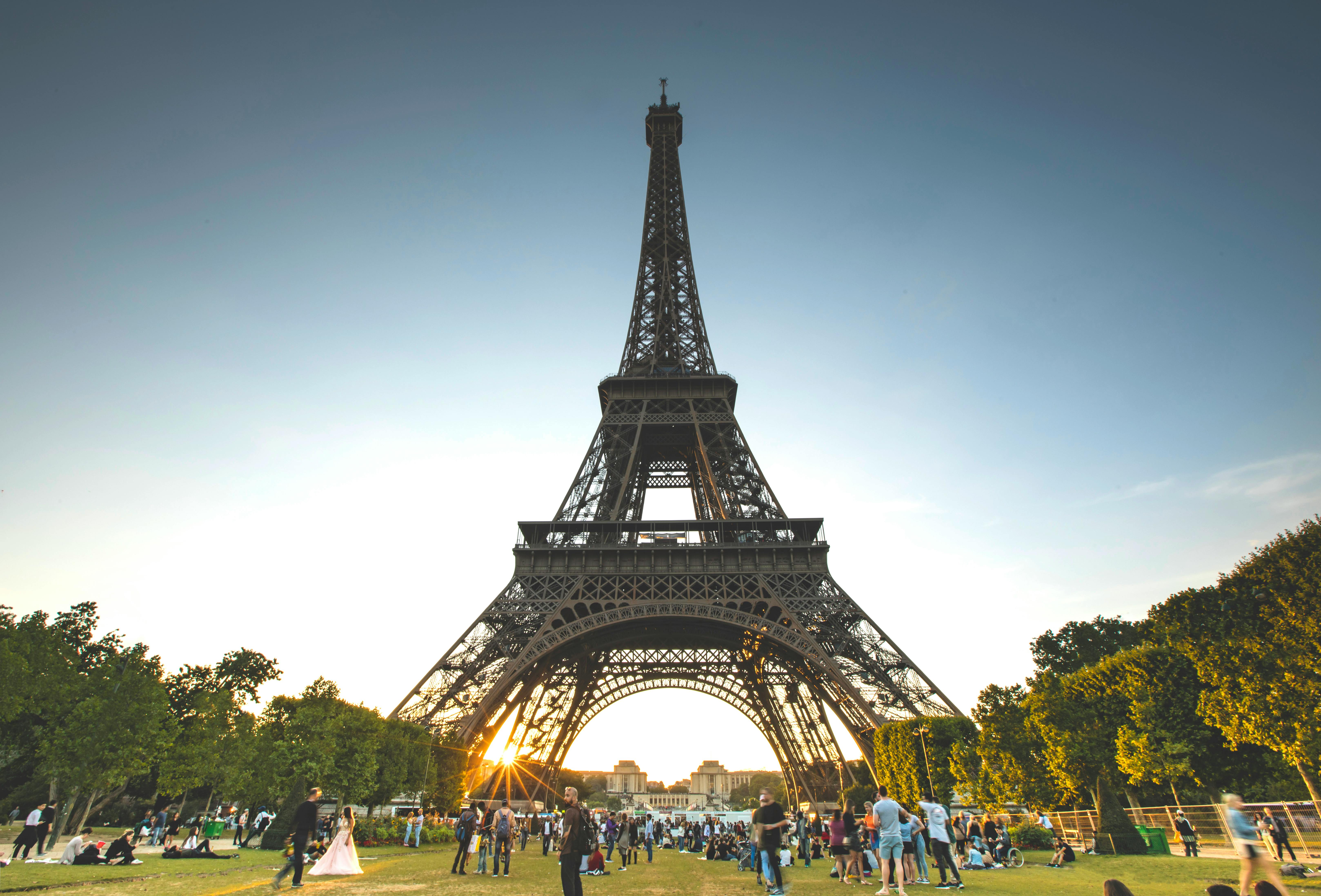
Paris rewards visitors in every season, but the experience shifts dramatically depending on when you arrive. The choice usually comes down to a trade-off between weather, crowds, and price: the warmest, liveliest months are also the busiest and most expensive, while the quiet, affordable stretches ask you to pack a coat and accept shorter daylight.
The city has a mild temperate climate with no real extremes. Summers rarely scorch and winters seldom freeze hard, which means there is no month that is truly off-limits. What changes most is the mood: long golden evenings on cafe terraces in June, the soft light and thinning crowds of October, or the festive glow of December markets and window displays.
For most travelers, the sweet spots are the shoulder seasons of late spring and early autumn, when the weather cooperates, the gardens look their best, and the lines at the Louvre are bearable. Below is a full breakdown to help you pick the window that fits your priorities.
The best time to visit Paris is from April to June and September to October, when temperatures are mild (15 to 25C / 59 to 77F), gardens and parks look their best, and crowds are thinner than the July-August peak. June offers the longest daylight and the most reliable weather, while September pairs warm days with shorter museum lines.
Planning a trip to Paris?
The short version
Through the year
Spring is when Paris shakes off winter: gardens bloom, terraces reopen, and the light turns soft and golden. Bring layers and an umbrella, as showers come and go. Late April and May are gorgeous but increasingly crowded, while March offers a quieter, cheaper preview.
Summer brings the longest days, buzzing terraces, and outdoor events like Paris Plages along the Seine. The downside is heat (most older buildings and metros lack air conditioning) and the biggest crowds of the year. June is the standout month; August feels emptier of locals but still packed at landmarks.
Autumn is arguably the best-kept secret: September keeps summer's warmth with thinner crowds, and October paints the parks in gold under crisp blue skies. November turns grey and cool but offers the lowest prices and quietest museums before the holiday season begins.
Winter splits in two: a festive, crowded, expensive December full of markets and lights, then a hushed, bargain-priced January and February. Pack warm clothes and expect short days, but enjoy queue-free museums, cozy bistros, and the city at its most local. Ideal for budget travelers who do not mind the cold.
Notable events & festivals
If you dislike crowds and high prices, avoid July and the Christmas-to-New-Year week. August can be hit-or-miss: many local shops, bakeries, and restaurants close for the holidays, so the city can feel oddly empty of Parisians even as tourist sites stay packed. Those sensitive to heat should be wary of occasional summer heatwaves, as air conditioning is uncommon in older hotels and on the metro.
Got your dates? Build the trip around them.
We'll plan a custom Paris itinerary tuned to your travel month and pace.
Frequently asked questions
What is the cheapest month to visit Paris?
Is Paris worth visiting in winter?
How many days do you need in Paris?
When is the best weather in Paris?
When is Paris least crowded?
Whether you come for blossom-filled spring afternoons, golden September light, or the festive sparkle of December, Paris delivers something memorable in every season. Pin down your priorities, weather, budget, or crowds, pick your window, and start planning the trip that fits you best.
Build your own Paris trip
Tell us how many days, your budget, and what you're into. We'll turn it into a custom, day-by-day Paris itinerary.