
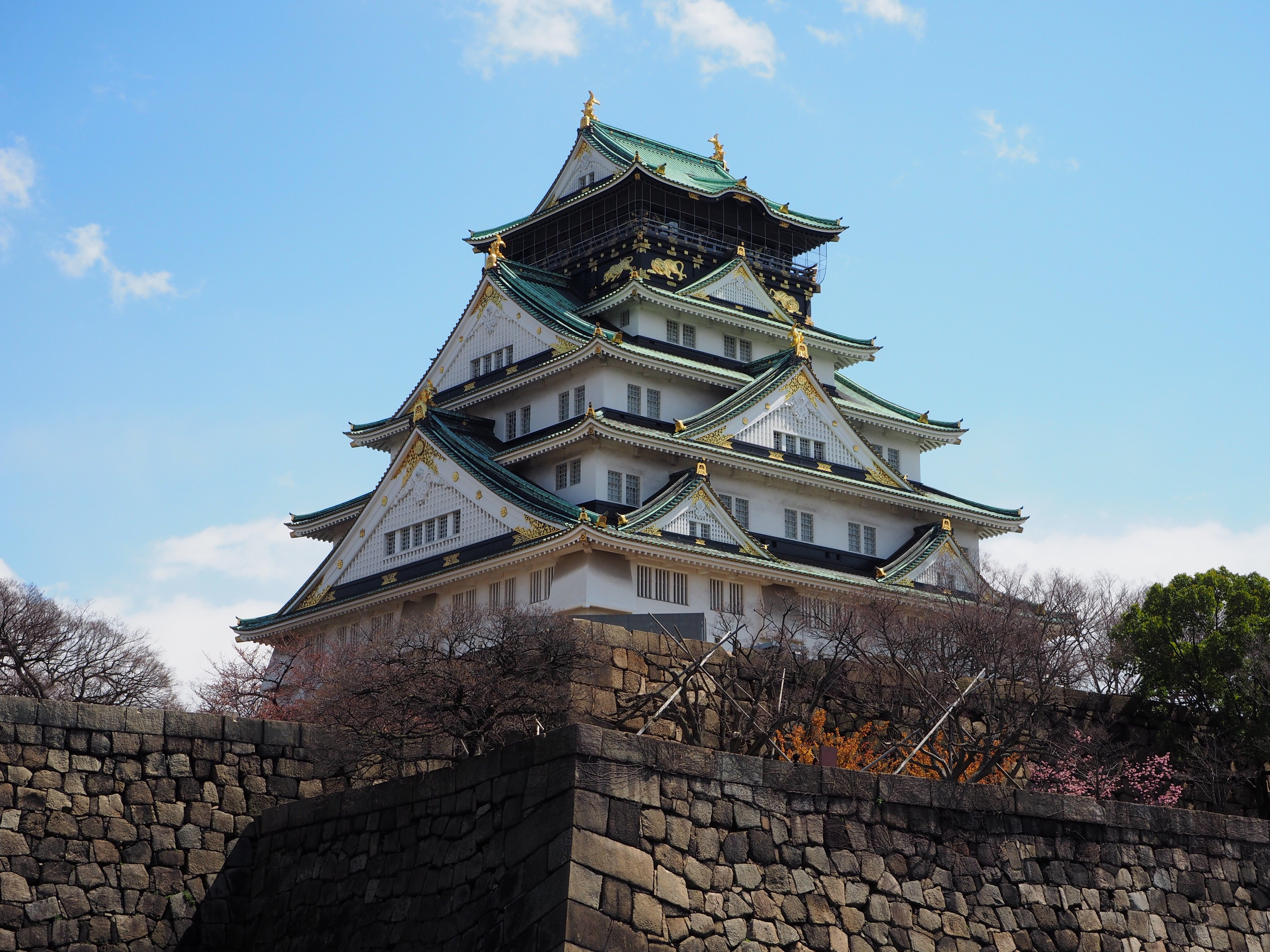
Osaka rewards visitors year-round, but the experience shifts dramatically with the seasons. This is a city built for the street: neon-lit Dotonbori, the takoyaki griddles of Namba, and the castle grounds that transform with the calendar. When you go decides whether you are dodging summer's sticky heat or standing under a canopy of cherry blossoms.
Three factors drive the decision: weather (Osaka summers are genuinely hot and humid, winters are cool but mild), crowds (spring blossom season and autumn foliage draw the biggest crowds, and Japanese holiday weeks pack everything out), and price (flights and hotels spike around cherry blossoms, Golden Week, and New Year). Osaka is more affordable and less formal than Tokyo or Kyoto, but peak seasons still bite.
The sweet spots are spring and autumn, when temperatures hover in the comfortable range and the city looks its best. But shoulder months like early December and late February offer thinner crowds and lower prices if you can handle cooler days. Here is how to choose.
The best time to visit Osaka is spring (late March to April) for cherry blossoms and mild weather, or autumn (October to November) for crisp, comfortable days and fall foliage. Both seasons bring temperatures around 15-23C (59-73F) and the city's most photogenic scenery, though spring is busier and pricier. For fewer crowds and lower prices, aim for late November or February.
Planning a trip to Osaka?
The short version
Through the year
Spring is Osaka at its most beautiful, with blossoms lining the Okawa River and filling the castle grounds. The trade-off is crowds and cost during peak bloom, so book months ahead. Late May offers warm, green days with far fewer people.
Summer is hot, sticky, and best suited to travelers who plan around the heat with indoor attractions and evening outings. The upside is festival energy, especially the spectacular Tenjin Matsuri in late July. Bring a fan, stay hydrated, and lean on air-conditioned malls and covered arcades.
Autumn rivals spring for the best time to visit, with cool, dry days perfect for walking and eating your way through the city. Fall foliage at Minoo Park and the castle grounds peaks in mid-to-late November. Watch for typhoon risk in September, but by October the weather is reliably excellent.
Winter is underrated: crisp, sunny days, illuminations across the city, and the lowest prices and thinnest crowds of the year. The cold is manageable with a warm coat, and it is an excellent time for indoor food halls, museums, and easy day trips. Avoid the New Year shutdown if you want everything open.
Notable events & festivals
Avoid the New Year shutdown (roughly December 30 to January 3) if you want shops, restaurants, and attractions fully open, as many close and prices spike. Skip Golden Week (late April to early May) and Obon (mid-August) unless you accept peak crowds and prices. If heat and humidity bother you, avoid late July through August, when temperatures regularly reach 33-35C (91-95F) with oppressive humidity.
Got your dates? Build the trip around them.
We'll plan a custom Osaka itinerary tuned to your travel month and pace.
Frequently asked questions
What is the cheapest month to visit Osaka?
Is Osaka worth visiting in winter?
When is cherry blossom season in Osaka?
How many days do you need in Osaka?
What is the best time to visit Osaka to avoid crowds?
Whether you come for blossoms in April, festival fireworks in July, or crisp autumn eating crawls in November, Osaka delivers on food, energy, and easy access to the rest of Kansai. Pick your season, book early for the spring and autumn peaks, and start planning your route through Japan's kitchen city.
Build your own Osaka trip
Tell us how many days, your budget, and what you're into. We'll turn it into a custom, day-by-day Osaka itinerary.