
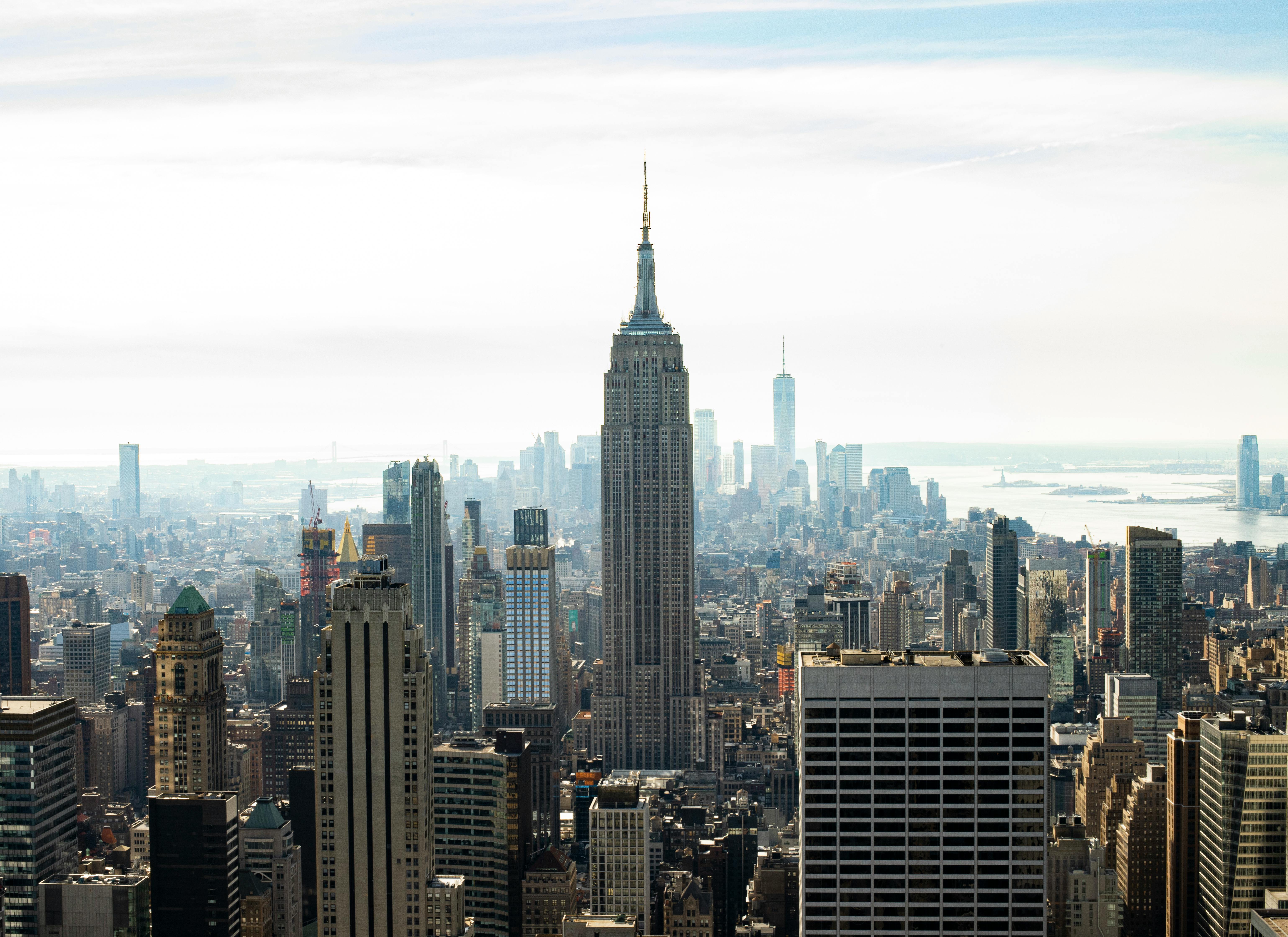
New York City works in any season, but the experience swings hard depending on when you land. Summer brings rooftop bars and free outdoor concerts alongside sticky 90F heat and packed sidewalks. Winter delivers ice rinks and holiday windows, then bottoms out in a gray, frigid January that also happens to be the cheapest time to fly in. The trade-offs between weather, crowds, and price are sharper here than in most cities.
The two sweet spots are spring (roughly April through June) and fall (September through early November), when temperatures are comfortable, parks look their best, and the cultural calendar is full. These shoulder windows avoid both the summer swelter and the deep-winter chill, though prices stay moderate to high because plenty of travelers have figured this out.
If your priority is a bargain, target mid-January through February, when hotel rates drop and flights are at their annual low. If it is holiday magic you want, late November and December are unbeatable but come at peak prices. Decide what you are optimizing for, and the right month follows.
The best time to visit New York City is April to June and September to early November, when temperatures are mild (typically 55-75F / 13-24C), the parks are green or turning, and the events calendar is packed. For the cheapest rates, come in January or February; for holiday atmosphere, come in December despite peak prices.
Planning a trip to New York City?
The short version
Through the year
Spring is one of the loveliest times in the city as cherry blossoms and tulips fill Central Park and the New York Botanical Garden. Early March can still feel like winter, so late April and May are the reliable payoff. Ideal for park walks, outdoor cafes, and beating the summer heat.
Summer is loud, energetic, and packed with free events: Shakespeare in the Park, outdoor concerts, rooftop bars, and beach trips to Coney Island or the Rockaways. The downside is genuine heat and humidity that make midday sightseeing draining. Best for travelers who want the city at full tilt and do not mind sweating for it.
Fall is arguably the best all-around time to visit, with sweater weather, foliage in the parks, and a dense cultural calendar. Museums launch new shows and Broadway hits full stride. Great for walkers, photographers, and anyone who wants the ideal balance of weather and atmosphere.
December turns the city into a holiday postcard with the Rockefeller tree, ice skating, and store windows, but expect crowds and top-dollar hotels. January and February are cold and gray yet reward budget travelers with cheap rooms and short lines. Bundle up and you will have Broadway and the Met nearly to yourself.
Notable events & festivals
Skip the deep summer heat waves of late July and August if humidity bothers you, when highs can top 95F (35C) and the subway platforms feel like ovens. Late December's holiday week brings the highest prices and thickest crowds of the year, so avoid it unless holiday atmosphere is the whole point of your trip.
Got your dates? Build the trip around them.
We'll plan a custom New York City itinerary tuned to your travel month and pace.
Frequently asked questions
What is the cheapest month to visit New York City?
Is New York City worth visiting in winter?
How many days do you need in New York City?
When is the best time to see fall foliage in New York City?
What is the best time to visit New York City for good weather?
New York rewards travelers in every season, so the real question is what you are after: mild weather and full calendars in spring and fall, holiday sparkle in December, or rock-bottom prices in the quiet heart of winter. Pick your window, book Broadway and popular restaurants ahead, and let the city do the rest.
Build your own New York City trip
Tell us how many days, your budget, and what you're into. We'll turn it into a custom, day-by-day New York City itinerary.