
The Best Time to Visit Nairobi: A Month-by-Month Guide

Kenya's high-altitude capital is mild all year, but dry skies, wildlife season, and your budget all point to a clear sweet spot.
Last updated June 22, 2026
The Best Time to Visit Nairobi: A Month-by-Month Guide
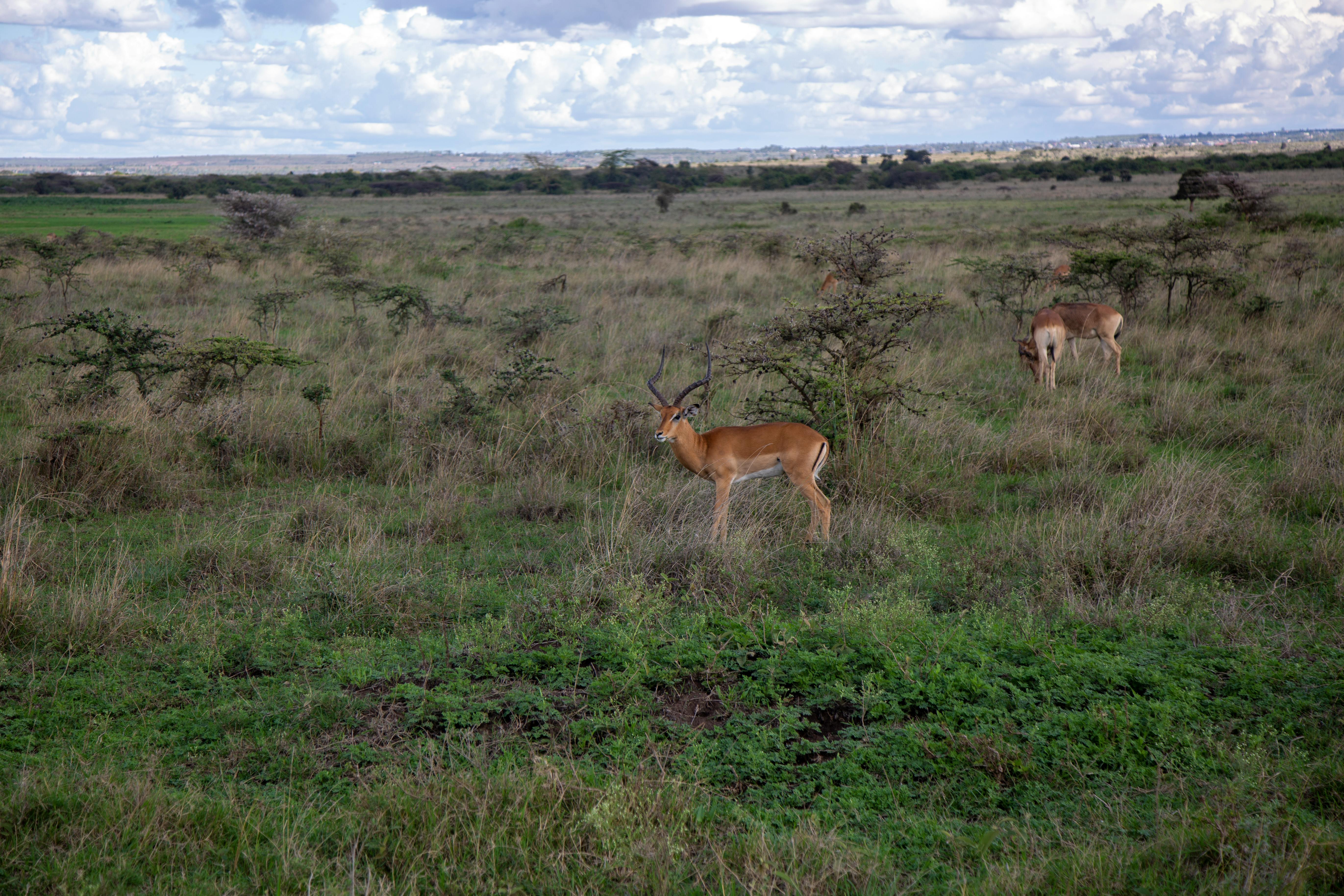
A serene scene of impalas grazing in Nairobi's sprawling savanna habitat, capturing the essence of African wildlife. · John M

Sitting at roughly 1,795 metres (5,889 feet) above sea level and just south of the equator, Nairobi has a climate that surprises first-timers: it is rarely hot, rarely cold, and comfortable enough that locals reach for sweaters in July. Daytime highs hover in the low-to-mid 20s Celsius for most of the year, so the real question is not temperature but rain and the rhythm of safari season.

Nairobi runs on two dry spells and two rainy spells rather than four temperate seasons. The cool, dry stretch from June to October overlaps with the great wildebeest migration in the Masai Mara, making it the headline window for travelers using Nairobi as a launchpad. A shorter hot, dry season in January and February offers clear skies before the rains return.

Crowds and prices track the dry seasons and December holidays closely. If you want the city quiet and cheap, the long rains of April and May deliver, with the trade-off of muddy afternoons. Below is how each season actually feels on the ground, plus the best months for weather, wildlife, and your wallet.

Quick Answer

The best time to visit Nairobi is the cool, dry season from late June to October, when rainfall is low, skies are clear, and the wildebeest migration peaks in the nearby Masai Mara. For warm, dry weather with fewer safari crowds, January and February are also excellent.

At a Glance

Best overallJuly to October. Dry, sunny days, comfortable highs around 22-24°C (72-75°F), and prime wildlife viewing in Nairobi National Park and the Masai Mara within easy reach.
Cheapest timeApril and May, during the long rains. Hotel rates and safari packages drop sharply and the city is at its greenest, though afternoon downpours interrupt plans.
Fewest crowdsApril, May, and November. The rainy spells thin out both international visitors and migration-chasing safari traffic, leaving museums, parks, and restaurants uncrowded.
Best weatherJanuary and February. The hot dry season brings the clearest, sunniest skies of the year with warm highs around 26-27°C (79-81°F) and minimal rain.
Best for the wildebeest migrationJuly to October. The herds cross into Kenya's Masai Mara, and Nairobi is the natural staging point for flights and drives into the reserve.
Best for festivals and city lifeDecember. Jamhuri Day, holiday markets, and outdoor music events fill the calendar, though prices climb and locals travel.

Season by Season

Hot dry season (January to February)

Weather The warmest, clearest stretch of the year. Highs reach 26-27°C (79-81°F) with cool nights around 12-13°C (54-55°F), low humidity, and very little rain.
Crowds Moderate. International arrivals dip after the December holidays, though it remains a popular safari window, so Mara lodges stay busy.
Prices Mid to high. Rates ease from the December peak but stay firm because of reliable weather and good game viewing.

Bright, dusty, and warm, this is the most consistently sunny time to be in Nairobi. Wildlife concentrates around water sources, making national parks rewarding. It suits travelers who want guaranteed dry weather without the absolute peak-season crush.

Long rains (March to May)

Weather The wettest season, peaking in April. Highs around 23-24°C (73-75°F), heavy afternoon and evening showers, high humidity, and overcast mornings.
Crowds Low. This is the quietest stretch for tourism, with few international visitors and uncrowded sights.
Prices Lowest of the year. Hotels and safari operators cut rates significantly, and flight deals appear.

Rain usually comes in intense bursts rather than all-day drizzle, so mornings are often usable before storms roll in. The landscape turns lush and green, and bird life is spectacular. Best for budget-conscious travelers and photographers who do not mind muddy roads and flexible plans.

Cool dry season (June to October)

Weather Mild and dry with the coolest temperatures of the year. Highs of 21-24°C (70-75°F), lows near 11°C (52°F), grey overcast mornings in July and August, and clearing afternoons.
Crowds Peak. The wildebeest migration draws safari travelers worldwide, and July through September are the busiest months for tourism in Kenya.
Prices Highest of the year. Mara lodges and flights book out early and command premium rates.

This is the classic time to visit, dry underfoot with excellent wildlife viewing despite cool, sometimes cloudy mornings. Bring a fleece for early game drives and breezy evenings. Ideal for first-time safari-goers and anyone who wants the migration plus dependable dry weather.

Short rains (November to December)

Weather Lighter, briefer rains than the long rains, mostly short afternoon showers. Highs around 23-24°C (73-75°F) with warming temperatures into December.
Crowds Low in November, rising sharply over the December holidays. Late December is busy with both tourists and traveling locals.
Prices Low in November, then a steep climb for the Christmas and New Year peak.

November is a quiet, green, and affordable shoulder month with manageable rain. December dries out and livens up with festivals and holiday energy, but prices spike. Good for travelers wanting a balance of value and decent weather, especially in November.

Notable Events & Festivals

Nairobi Restaurant Week (late January to early February) A two-week citywide dining promotion where dozens of restaurants offer fixed-price menus, a great way to sample Nairobi's food scene affordably.
WRC Safari Rally Kenya (March) Kenya's round of the World Rally Championship runs on rugged tracks around Naivasha, a short drive from Nairobi, drawing motorsport fans from across the region.
Madaraka Day (June 1) A national holiday marking Kenya's self-rule, celebrated with public ceremonies, parades, and events around the city.
Wildebeest migration in the Masai Mara (July to October) Not a Nairobi event but the reason many visit: the herds cross the Mara River, and Nairobi is the main gateway for flights and overland trips to the reserve.
Blankets & Wine (recurring, dry-season weekends) A popular open-air music and lifestyle festival held on select Sundays, showcasing East African live acts in a picnic setting.
Jamhuri Day (December 12) Kenya's Independence Day, marked with national celebrations, music, and festivities across Nairobi.
When to Avoid

If you want dependable dry days, avoid April, the peak of the long rains, when heavy afternoon storms and muddy roads disrupt outdoor plans and safaris. Late December can also be frustrating for budget travelers, as holiday demand pushes hotel and lodge prices to their highest.

Frequently Asked Questions

What is the cheapest month to visit Nairobi?
April and May are the cheapest months, falling during the long rains when hotels, safari operators, and airlines drop prices to attract visitors. November is the next best value before December holiday rates kick in.
Is Nairobi worth visiting during the rainy season?
Yes, especially the short rains in November. Showers usually come in brief afternoon bursts rather than all day, prices are low, crowds are thin, and the landscape is lush and green. The long rains in April are the wettest and most disruptive.
When is the best time for safari near Nairobi?
July to October is the best safari window, coinciding with dry weather and the wildebeest migration in the Masai Mara. January and February also offer excellent dry conditions with fewer crowds.
What is the weather like in Nairobi year-round?
Thanks to its high altitude near the equator, Nairobi stays mild all year. Daytime highs range from about 21°C (70°F) in the cool season to 27°C (81°F) in the hot season, with cool nights around 11-13°C (52-55°F).
How many days do you need in Nairobi?
Two to three days is enough to cover the city's highlights, including Nairobi National Park, the elephant orphanage, the giraffe centre, and the Karen Blixen museum. Most travelers add several more days for a safari beyond the city.

Nairobi rewards travelers nearly year-round, but pairing the cool dry months of July to October with a Masai Mara safari gives you the strongest combination of clear skies and unforgettable wildlife. If value matters more than peak game viewing, aim for the quieter green months and let the savings fund an extra day on the road. Whenever you go, pack a light layer for those cool highland mornings and start planning your route now.

Ready to book your trip?

Search Hotels
Search Homes

Traveling somewhere else?

Generate a custom itinerary