
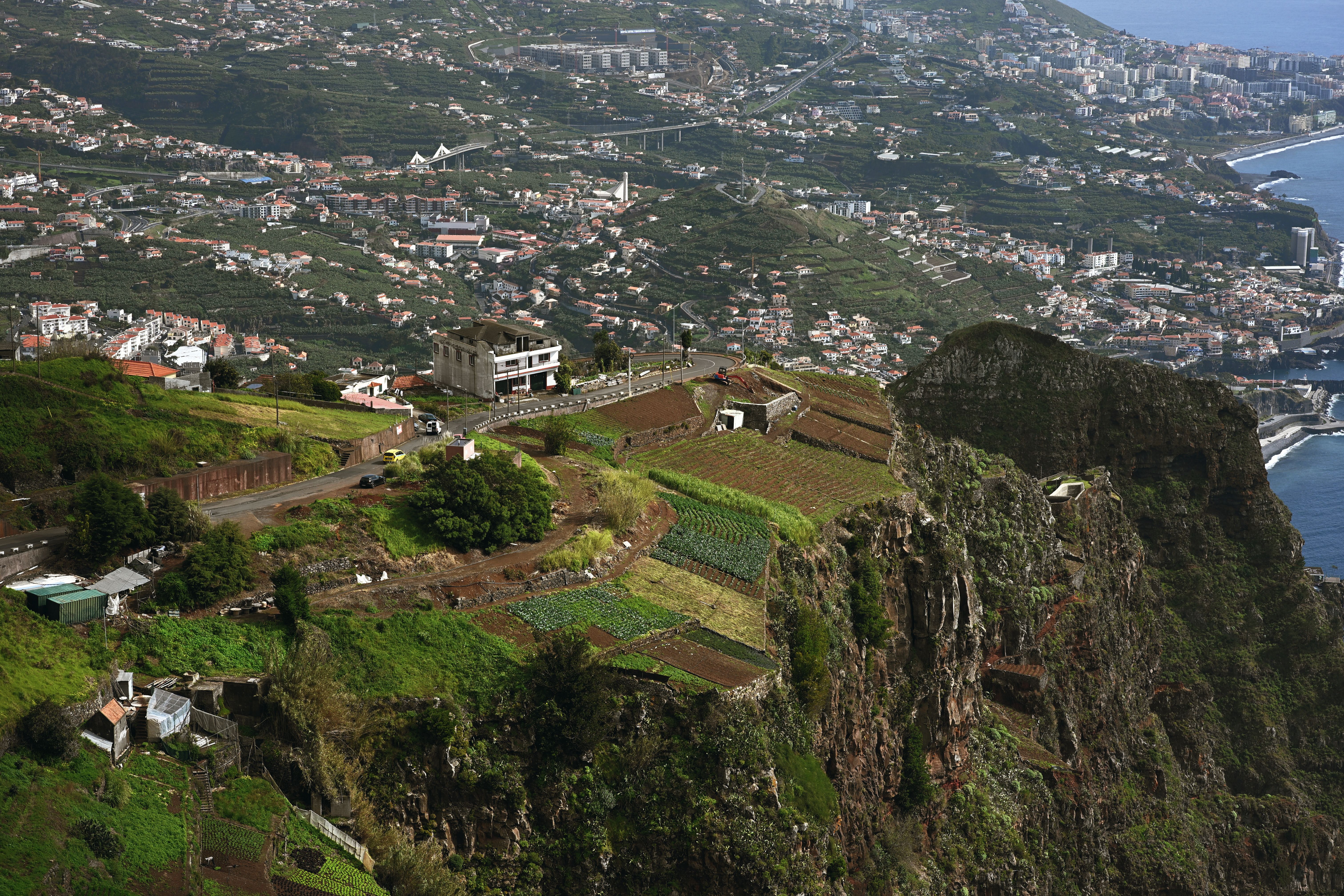
Madeira has earned its nickname as the "island of eternal spring," and the numbers back it up: coastal temperatures rarely stray outside 16C to 26C (61F to 79F) across the whole year. That subtropical steadiness means there is no truly bad time to come, but there are meaningful differences in rainfall, sea temperature, crowd levels, and which of the island's flowers, festivals, and hiking trails are at their best.
The island's dramatic terrain also creates several climates at once. Funchal and the sunny south stay dry and mild, while the north coast and the high mountain interior (peaks top 1,800m/5,900ft) are cooler, cloudier, and much wetter. When you visit shapes not just what you pack but where on the island the weather will cooperate.
For most travelers the decision comes down to three things: the reliable, flower-filled warmth of spring, the busy dry heat of the summer school holidays, or the mild, cheaper, and quieter winter that still delivers plenty of sunshine on the south coast. Below is how each season actually feels and who it suits best.
The best time to visit Madeira is April to June, when temperatures sit around 19C to 23C (66F to 73F), the island is covered in flowers, rainfall is low, and crowds are thinner than in high summer. September and October are an excellent alternative, offering the warmest sea and settled weather after the peak-season rush.
Planning a trip to Madeira?
The short version
Through the year
Spring is arguably Madeira at its finest: warm enough for shirtsleeves, cool enough to hike, and awash in blooms. The island's gardens and hillsides peak, and the Flower Festival is a genuine highlight. Ideal for walkers, garden lovers, and anyone wanting good weather without July heat.
Summer is dry, sunny, and lively, the best window for swimming and boat trips to spot dolphins and whales. The trade-off is crowds and prices, and midday mountain hikes can be hot. Suits beach-and-pool travelers and families tied to school holidays.
Early autumn keeps summer's warmth and sea temperatures but sheds the crowds, making September and October a top choice for hiking and swimming alike. By November the weather turns more changeable but bargains appear. Great for shoulder-season travelers wanting warmth without the peak.
Madeira's winter is mild by European standards, and the south coast still delivers plenty of sun for walks and sightseeing. Expect more rain and grey days than other seasons, so it favours flexible travelers over beach-focused ones. Funchal's New Year fireworks are a world-class spectacle worth planning around.
Notable events & festivals
There is no season to truly avoid, but if you want reliable sun and dry trails, skip December and January, the wettest and cloudiest months, especially on the north coast and in the mountains. Avoid the Christmas/New Year fortnight and August if you are price-sensitive, as accommodation is scarce and expensive. Hikers should also note that heavy winter rain can close levada trails due to landslide risk.
Got your dates? Build the trip around them.
We'll plan a custom Madeira itinerary tuned to your travel month and pace.
Frequently asked questions
What is the cheapest month to visit Madeira?
Is Madeira worth visiting in winter?
When is the best time to hike the levadas in Madeira?
How many days do you need in Madeira?
When is the sea warmest for swimming in Madeira?
Whenever you go, Madeira rewards you with dramatic scenery, warm Atlantic air, and some of Europe's best year-round hiking. Pin your dates to spring's flowers or autumn's warm sea, book early if you are chasing the New Year fireworks, and start mapping out your levada walks and coastal drives.
Build your own Madeira trip
Tell us how many days, your budget, and what you're into. We'll turn it into a custom, day-by-day Madeira itinerary.