
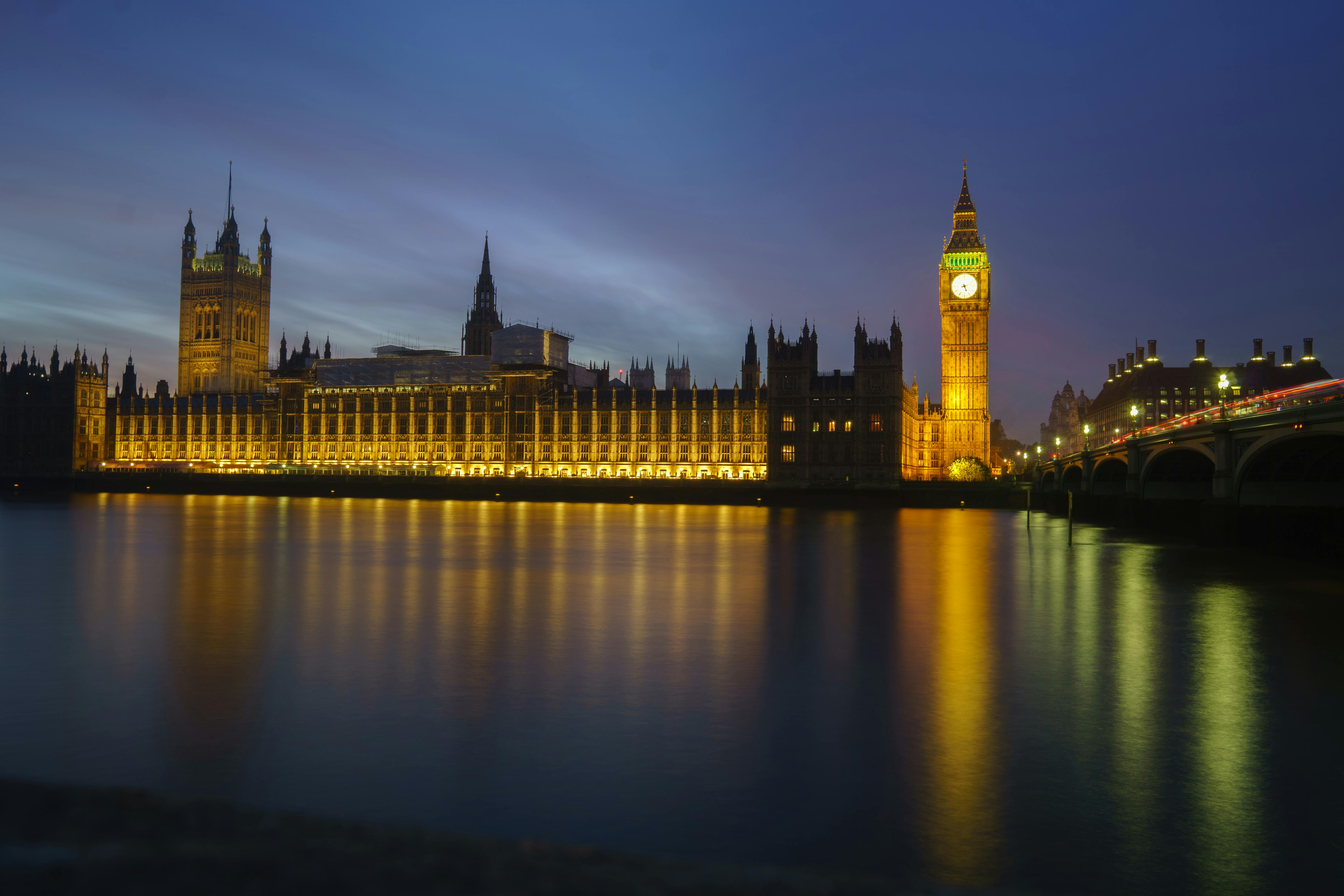
London is a year-round city, which is both the good news and the complication. Nothing shuts down for the season, so the decision comes down to what you are willing to trade: mild, long-lit summer days against peak crowds and prices, or cheaper, quieter winter weeks against short daylight and the famous grey skies. The weather is rarely extreme in either direction, so timing is more about atmosphere, cost, and events than survival.
The classic sweet spots are late spring (May and June) and early autumn (September), when the parks are at their best, the days are long, and the summer holiday surge has not fully kicked in or has just eased off. Peak season runs roughly July and August, plus the Christmas fortnight, when hotel rates climb and major sights get busy.
Rain is possible in any month (London gets frequent light drizzle rather than dramatic downpours), so pack a layer and a compact umbrella whatever the season. What really changes through the year is daylight: from around 16.5 hours in late June down to under 8 hours in late December.
The best time to visit London is from May to September, when temperatures are mild (around 15-23C / 59-73F), daylight is long, and the parks, riverside, and outdoor events are at their peak. For fewer crowds and lower prices, aim for late September through November or the second half of January and February, avoiding the pre-Christmas weeks.
Planning a trip to London?
The short version
Through the year
Spring is one of the most rewarding times to visit as the parks burst into daffodils, blossom, and tulips and outdoor cafe life resumes. Weather is unpredictable so pack layers, but the payoff is a fresh, uncrowded city. Ideal for garden lovers and travelers wanting good weather odds without peak prices.
Summer is London at its liveliest: open-air theatre, festivals, riverside drinks, and long golden evenings. The trade-off is crowds and premium prices, and the occasional stifling heatwave with limited air conditioning. Best for first-timers who want maximum energy and daylight and do not mind the bustle.
Early autumn keeps much of summer's warmth with thinner crowds, making September arguably the best-value good-weather window. By November days shorten and skies grey over, but bonfire night, cultural season openings, and cozy pubs give the city a reflective charm. Great for culture-focused travelers and anyone chasing shoulder-season value.
The festive season transforms London with markets, ice rinks, lights, and pantomimes, though it comes at peak prices and crowds. After New Year the city empties and becomes a bargain, ideal for museum-hopping, theatre, and dining without the queues. Suits budget travelers and culture seekers who do not mind bundling up and short days.
Notable events & festivals
If you want low prices and small crowds, avoid the two weeks before Christmas and the New Year period, when hotel rates spike and central London is packed. School half-term breaks (mid-February, late May, and late October) also bring family crowds and higher prices. Deep winter is not a weather deterrent but expect short daylight and frequent grey, damp days from late November through February.
Got your dates? Build the trip around them.
We'll plan a custom London itinerary tuned to your travel month and pace.
Frequently asked questions
What is the cheapest month to visit London?
Is London worth visiting in winter?
How many days do you need in London?
What is the best month for good weather in London?
When is London least crowded?
London rewards visitors in every season, so the question is really about your priorities: long summer evenings and festivals, spring blooms and shoulder-season value, or the twinkle and bargains of winter. Pick your window, book the big-ticket sights ahead, and pack a light layer and an umbrella whatever the calendar says. Whenever you come, the city is ready.
Build your own London trip
Tell us how many days, your budget, and what you're into. We'll turn it into a custom, day-by-day London itinerary.