
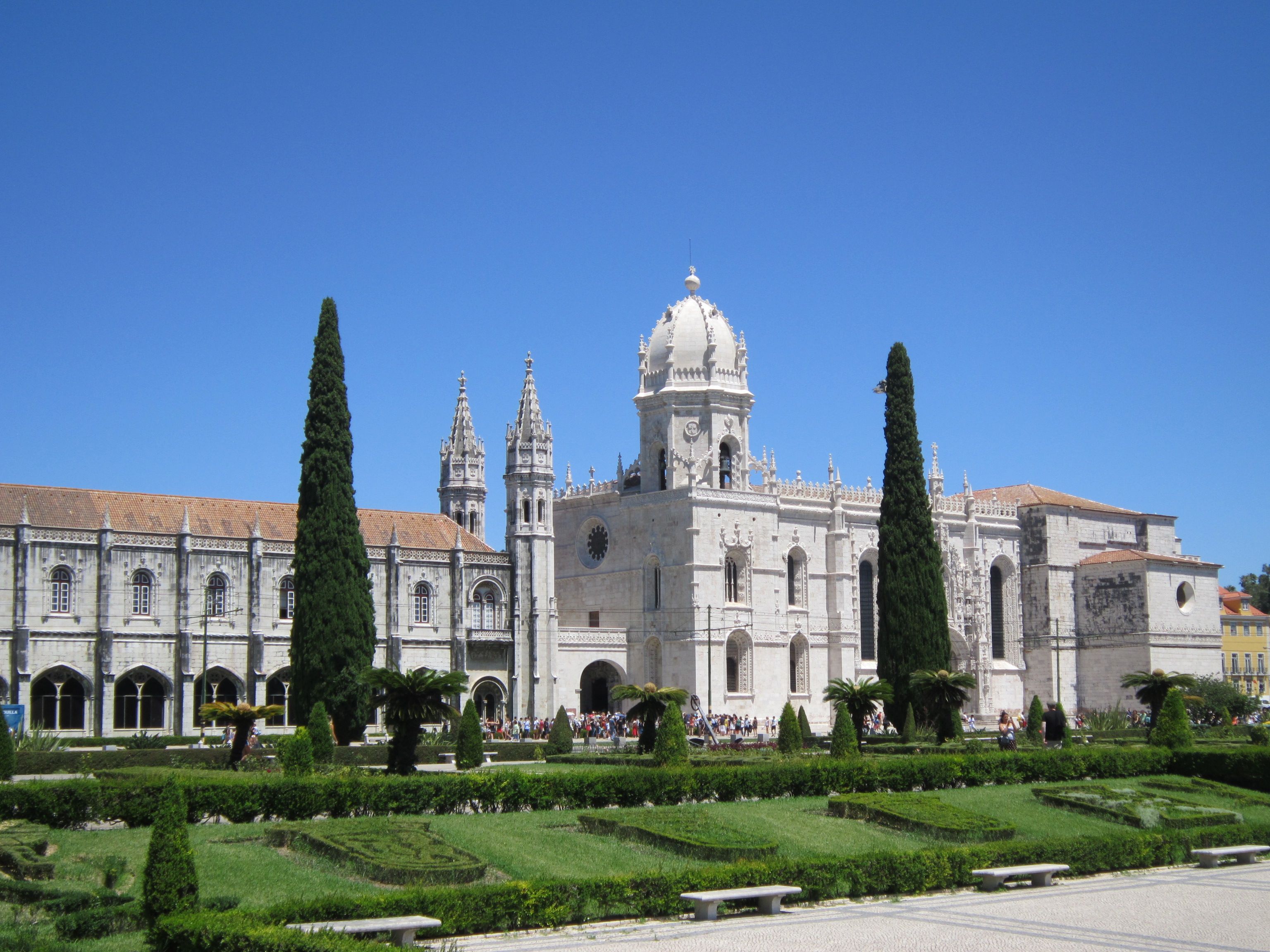
A captivating view of Jeronimos Monastery in Lisbon, Portugal with lush greenery and a bright blue sky.
Best Time to Visit · Lisbon

The Best Time to Visit Lisbon: A Month-by-Month Guide

From sun-drenched terraces and June street parties to quiet, rain-washed winter alleys, here is when to catch Lisbon at its best.

Last updated June 28, 20267 min read

Lisbon runs on sunshine. Spread across seven hills above the Tagus estuary, Portugal's capital enjoys one of Europe's mildest climates, with roughly 2,800 hours of sun a year and winters that rarely turn truly cold. That generosity means there is no genuinely bad time to visit, only trade-offs between heat, crowds, and price.

The decision usually comes down to four things: temperature (July and August can top 35C/95F), crowds (peak summer and Santo Antonio in June pack the historic quarters), prices (hotel rates swing sharply between August and January), and what you want to do, whether that is lazing on the nearby Atlantic beaches or wandering Alfama in cool, quiet comfort.

For most travelers the sweet spot is the shoulder seasons of spring and early autumn, when the weather is warm, the light is golden, and the queues at Belem and the trams are manageable. But Lisbon rewards the off-season too: a January city break here is mild, cheap, and refreshingly local.

Quick answer

The best time to visit Lisbon is spring (March to May) and early autumn (September to October), when temperatures sit at a comfortable 18-26C (64-79F), crowds thin out from their summer peak, and hotel prices ease. June brings warm weather and the city's biggest party, the Festas de Lisboa, while July and August are hottest and most expensive.

At a glance

The short version

Best overall
May and September. You get warm, reliable weather (highs around 23-26C/73-79F), long days, and noticeably smaller crowds than the July-August peak, plus the sea is warm enough for beach trips in September.
Cheapest time
December to February (excluding the Christmas and New Year window). Flights and hotels drop to their lowest, and you can find central rooms for a fraction of summer rates.
Fewest crowds
November and January to early March. The historic quarters, viewpoints, and trams are calm, attraction queues are short, and the city feels like it belongs to its residents again.
Best weather
Late May, June, and September. Days are warm and dry with abundant sun but without the oppressive heat spikes of midsummer.
Best for beaches
July to September, when air temperatures hit 28-32C (82-90F) and the Atlantic, though always brisk, is at its warmest. Cascais, Carcavelos, and the Costa da Caparica are an easy day trip.
Best for festivals
June, for the Festas de Lisboa and especially the Festa de Santo Antonio on June 12-13, when the whole city throws sardine-grilling street parties in Alfama, Mouraria, and Graca.
Season by season

Through the year

SpringMarch to May
Weather Mild and increasingly sunny. Highs climb from about 17C (63F) in March to 23C (73F) in May; nights are cool at 10-14C (50-57F). March can still see rain showers, but May is largely dry.
Crowds Building from low to moderate. Easter week brings a short spike, but outside that, attractions and viewpoints stay comfortable through most of spring.
Prices Mid-range and rising. Good value in March and April, with rates climbing toward summer levels by late May and over public holidays.

Spring is arguably Lisbon at its finest: jacaranda trees bloom purple in May, the light is soft, and you can walk the hills without sweating. It suits sightseers, photographers, and anyone who wants warm days without summer crowds. Pack a light layer for cooler evenings.

SummerJune to August
Weather Hot, dry, and sunny. Average highs sit at 28-29C (82-84F) but heatwaves regularly push past 35C (95F), especially in July and August. Humidity stays low and rain is rare. Coastal breezes off the Atlantic offer relief.
Crowds Peak. June's festivals and the July-August holiday rush fill the city, with long queues for trams, Belem monuments, and the best viewpoints.
Prices Highest of the year. Hotels and flights peak in July and August; book well ahead for anything central.

Summer is loud, festive, and hot. June is the standout for its street parties and slightly gentler heat, while July and August deliver beach weather and a buzzing nightlife but also crowds and steep prices. Best for sun-seekers, beachgoers, and party crowds who do not mind the heat and bustle.

AutumnSeptember to November
Weather Warm and fading to mild. September stays summery with highs around 26C (79F) and warm seas; October eases to 22C (72F); November cools to 17C (63F) and brings the first real rain. Nights turn crisp.
Crowds Falling fast. September is still busy but more relaxed than August; by late October and November the city is calm and easygoing.
Prices Dropping. September holds near peak rates, but October and especially November offer some of the best value-for-weather deals of the year.

Early autumn rivals spring as the ideal window, with warm days, swimmable beaches, and thinning crowds. As the season progresses, the weather softens and prices fall, making November a great pick for a quiet, affordable city break, though pack a rain jacket.

WinterDecember to February
Weather Mild and changeable for Europe. Highs of 14-16C (57-61F), nights around 8-9C (46-48F). This is the wettest stretch, with periods of rain interspersed with bright, clear days. Frost is virtually unknown.
Crowds Lowest of the year, apart from a busy Christmas and New Year window. Major sights are uncrowded and easy.
Prices Cheapest, outside the holiday peak. January and February have the lowest flights and hotel rates.

Lisbon's winter is gentle: you can still sit at a sunny cafe terrace between showers. It suits budget travelers and those who want the city without the queues, though shorter days and the chance of rain mean it is less suited to beach plans. Bring layers and a waterproof.

On the calendar

Notable events & festivals

Festa de Santo Antonio (June 12-13)Lisbon's patron saint festival and the heart of the month-long Festas de Lisboa. Neighborhoods like Alfama and Graca host all-night street parties with grilled sardines, music, and a grand parade down Avenida da Liberdade.
Festas de Lisboa (throughout June)A month of open-air concerts, neighborhood marches, and traditional parties across the historic quarters, peaking around Santo Antonio. The most atmospheric time to experience local Lisbon culture.
Carnival (February, dates vary)Pre-Lenten celebrations bring parades and costumes; nearby towns like Sesimbra and Torres Vedras host some of Portugal's liveliest carnival processions, an easy trip from the capital.
NOS Alive (July)One of Portugal's biggest music festivals, held over three days in Algés on the western edge of Lisbon, drawing major international rock, pop, and indie acts.
Lisbon Christmas and New Year (December)Festive lights along the main avenues, markets, and a major fireworks display over the Tagus and at Praca do Comercio on New Year's Eve.
When to avoid

If you dislike heat and crowds, skip late July and August, when temperatures can exceed 35C (95F) and central hotels are at their priciest and most booked. The Christmas to New Year window is the one expensive, busy spike in an otherwise quiet winter. November through February brings the most rain, so plan an indoor-friendly itinerary if you visit then.

Got your dates? Build the trip around them.

We'll plan a custom Lisbon itinerary tuned to your travel month and pace.

Generate itinerary

Frequently asked questions

What is the cheapest month to visit Lisbon?
January and February are the cheapest, with the lowest flight and hotel prices of the year, as long as you avoid the Christmas and New Year holiday period. November also offers strong value with milder weather.
Is Lisbon worth visiting in winter?
Yes. Lisbon's winters are mild for Europe, with daytime highs around 14-16C (57-61F) and frequent sunny spells between showers. You will find low prices, short queues, and a more local atmosphere, though days are shorter and beach time is off the table.
When is the best time to visit Lisbon for good weather without the crowds?
Aim for May or September. Both deliver warm, dry days of 23-26C (73-79F) and plenty of sun while sitting just outside the peak July-August crush, making them the sweet spot for comfort and value.
How many days do you need in Lisbon?
Three to four days is enough to see the main districts (Baixa, Alfama, Belem, and Bairro Alto), ride the trams, and enjoy the viewpoints. Add one or two more days for trips to Sintra, Cascais, or the beaches.
When is Lisbon's biggest festival?
The Festa de Santo Antonio on June 12-13 is Lisbon's biggest celebration, the climax of the month-long Festas de Lisboa. Expect grilled sardines, street parties, and parades across the historic neighborhoods.

Whenever you go, Lisbon delivers: spring and early autumn for the ideal balance of weather and calm, summer for beaches and festivals, and winter for low prices and a local feel. Pick your window, book your terrace table, and let the city's hills and light do the rest.

Plan with MagicTrips

Build your own Lisbon trip

Tell us how many days, your budget, and what you're into. We'll turn it into a custom, day-by-day Lisbon itinerary.

Ready to book your stay?

Hotels
Homes

Traveling somewhere else?

Generate a custom itinerary