
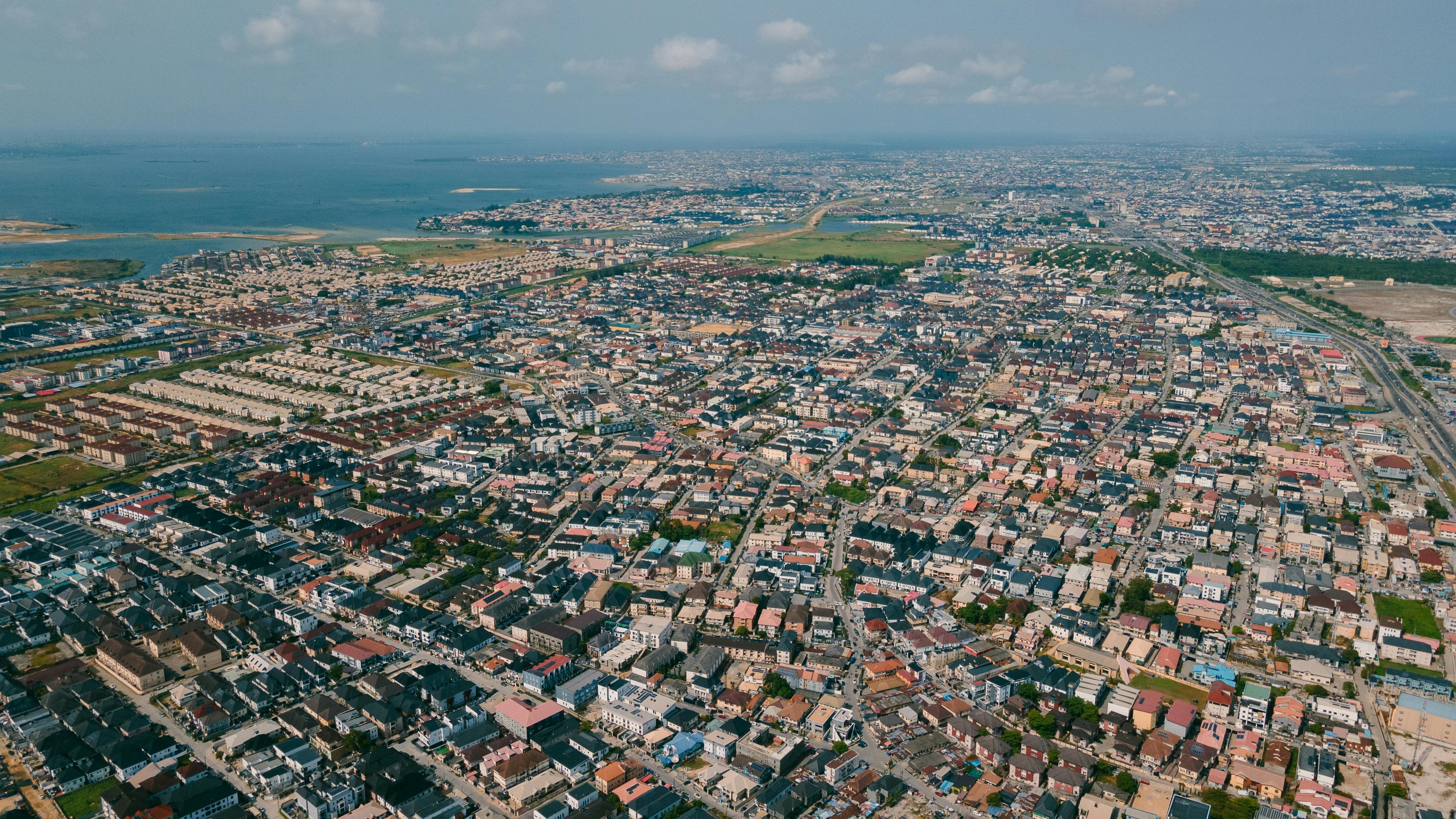
Lagos does not have spring, summer, autumn, and winter. Sitting just north of the equator on Nigeria's Atlantic coast, it has two seasons that govern everything: a dry season from roughly November to March and a wet season from April to October. Temperatures barely move across the year (highs hover in the low thirties Celsius almost every month), so your decision is really about rain, humidity, traffic, and crowds rather than heat.
The dry season is the obvious sweet spot for first-time visitors: clearer skies, easier road travel, beach days on Tarkwa Bay, and the city's enormous calendar of concerts, weddings, and parties. The flip side is December, when the global Nigerian diaspora flies home for 'Detty December' and prices for flights and hotels spike to their highest of the year.
The wet season is cheaper and quieter but comes with serious downpours that can flood streets and turn Lagos's already legendary traffic into a standstill. Knowing which weeks to chase and which to avoid is the difference between a smooth trip and a soggy one.
The best time to visit Lagos is the dry season from November to March, when rainfall is low and the weather is reliably warm. For the liveliest atmosphere, come in December for the 'Detty December' festival season, but expect peak prices and crowds; for lower costs and thinner crowds, target late January through March.
Planning a trip to Lagos?
The short version
Through the year
This is Lagos at its best and busiest. You get reliable weather, beach days, and a packed events calendar, but December comes with crowds, traffic, and premium prices. Come in February or March for the same good weather with noticeably more breathing room.
The big rains arrive and flooding can paralyze parts of the city, so plan extra time for every journey and keep itineraries flexible. The upside is real value and a more authentic, local Lagos. This window suits budget travelers and repeat visitors who can roll with the weather.
August offers a short, unpredictable reprieve from the heaviest rains, sometimes a real dry spell, sometimes just lighter showers. It can be a smart budget pick if you get lucky with the weather, but treat the break as a bonus rather than a guarantee.
Rain returns in force in September, then gradually winds down through October as the dry season approaches. It is inexpensive and uncrowded, and late October can feel like an early preview of dry-season weather. Good for travelers prioritizing budget over guaranteed sunshine.
Notable events & festivals
Avoid June and September if you cannot tolerate heavy rain and flooding, as these are the wettest months and Lagos's drainage struggles with serious downpours, compounding already extreme traffic. If you want the festival energy of December but not the crush, skip the final two weeks of the month, when prices peak and the city is at its most gridlocked.
Got your dates? Build the trip around them.
We'll plan a custom Lagos itinerary tuned to your travel month and pace.
Frequently asked questions
What is the cheapest time to visit Lagos?
Is Lagos worth visiting during the rainy season?
When is Detty December and is it a good time to visit?
How many days do you need in Lagos?
What is the weather like in Lagos year-round?
Whether you come for the calm beach days of February or the all-out energy of Detty December, Lagos rewards travelers who time their trip to the rains and the calendar. Pick your season, book ahead for the busy stretches, and pack for warmth and humidity whenever you go.
Build your own Lagos trip
Tell us how many days, your budget, and what you're into. We'll turn it into a custom, day-by-day Lagos itinerary.