
The Best Time to Visit La Digue: A Season-by-Season Guide
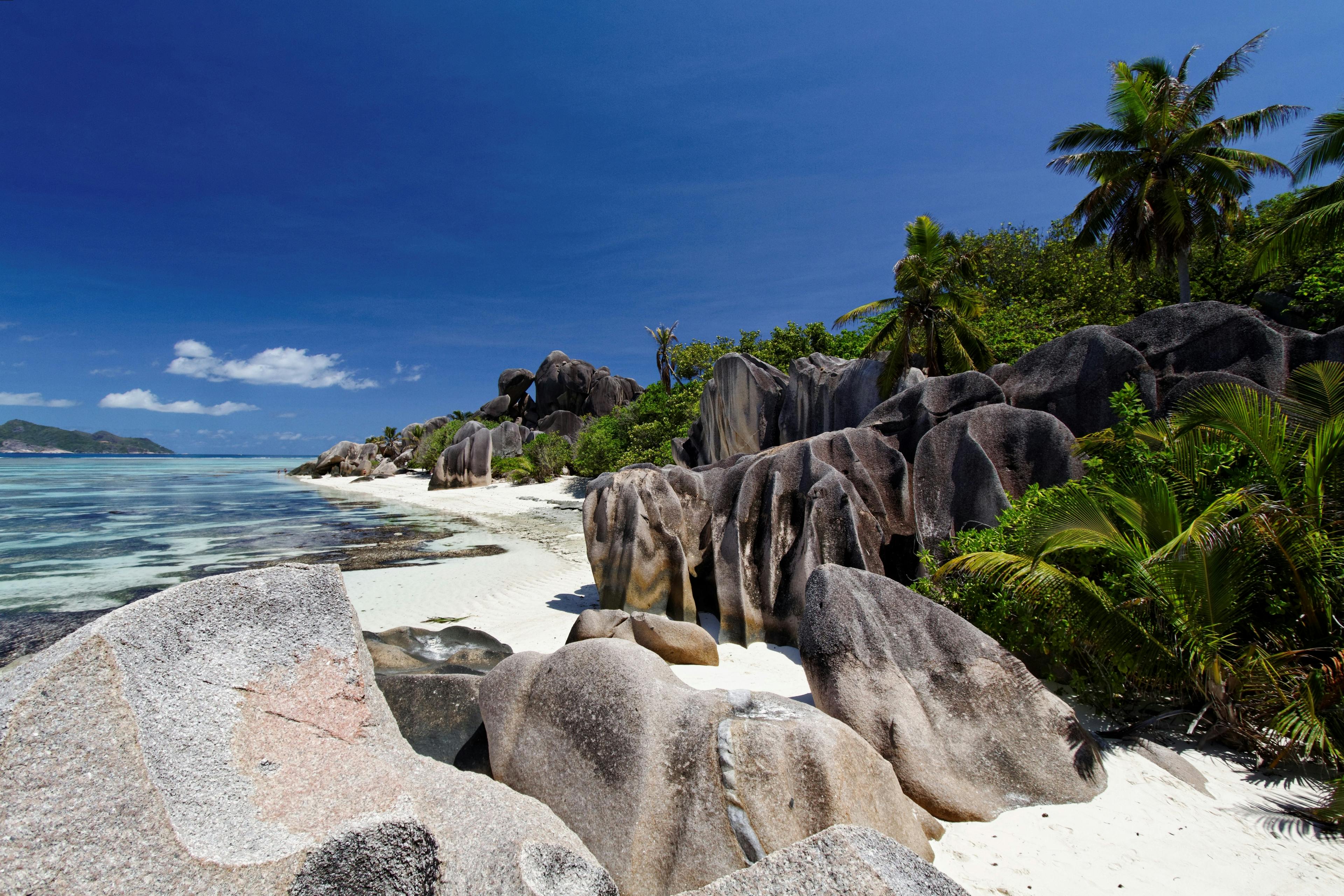
La Digue sits just off Praslin in the inner Seychelles, a small granite island where ox carts and bicycles still outnumber cars and the headline attraction, Anse Source d'Argent, is the most photographed beach in the country. Being four degrees south of the equator, it has no real summer or winter: temperatures hover between 24C and 31C (75F to 88F) all year, and the sea rarely drops below 26C (79F). What changes is the wind.
Two monsoon seasons govern everything. The northwest monsoon (roughly November to March) brings warmer, calmer, more humid air with short heavy downpours, while the southeast trade winds (May to September) deliver cooler, drier, breezier days and choppier seas with seaweed on east-facing shores. The shoulder weeks between them, April and October, tend to be the sweet spot: light winds, glassy water, and excellent visibility for snorkeling.
Because almost everyone reaches La Digue by ferry from Mahe via Praslin, sea conditions and the local holiday calendar matter as much as rainfall. Below is how the year breaks down for weather, crowds, and cost, so you can match the island to the trip you want.
The best time to visit La Digue is April to May and October to November, the calm transition months between the two monsoons, when seas are flat, visibility for snorkeling and diving peaks, and crowds and prices sit below the December-January high season. For the driest, breeziest weather choose June to September; for the cheapest fares aim for the May-June and October-November shoulders.
Planning a trip to La Digue?
At a Glance
Season by Season
Northwest monsoon / wet season (November to March)
Warm, still, and green, with calm water ideal for snorkeling between the rain showers and the least seaweed on the beaches. The trade-off is humidity, mosquitoes, and the chance of a washed-out afternoon. Best for travelers who want flat seas and don't mind a tropical soaking, but book the festive weeks far ahead.
First transition (April)
Widely considered the finest month on the island: still air, warm flat water, and superb diving and snorkeling visibility. Beaches are clean and the light is gorgeous. The only real downside is the heat and humidity on windless days.
Southeast trade winds / dry season (May to September)
The most comfortable weather for hiking, cycling, and lounging, with breezy days and cool nights. Seas are rougher on exposed coasts and seaweed can pile up at Grand Anse and Anse Source d'Argent, but sheltered west-coast spots stay swimmable. Best for active travelers and anyone sensitive to heat.
Second transition (October to early November)
A second sweet spot that mirrors April: calm water, clearing beaches, and strong snorkeling visibility, with prices still reasonable. A lovely, lower-key time to visit before the holiday crowds arrive.
Notable Events & Festivals
There is no truly bad time, but the wettest, most humid weeks of January and February can bring grey skies and heavy rain, and the southeast trade winds at their strongest (July to August) churn up rough seas and pile seaweed onto east-facing beaches, making some shores hard to swim. The mid-December to early January festive period is the most crowded and expensive stretch of the year, so avoid it if budget and quiet matter.
Frequently asked questions
What is the cheapest month to visit La Digue?
When is the sea calmest for swimming and snorkeling on La Digue?
Is La Digue worth visiting during the rainy season?
How many days do you need on La Digue?
Does seaweed affect La Digue's beaches?
La Digue rewards almost any timing, but the calm transition months of April-May and October-November give you the best mix of flat seas, clear water, and fair prices. Decide whether you want still, hot air or a cooling trade wind, line it up with the ferry schedule from Mahe and Praslin, and book your beachside guesthouse early for the high season.