
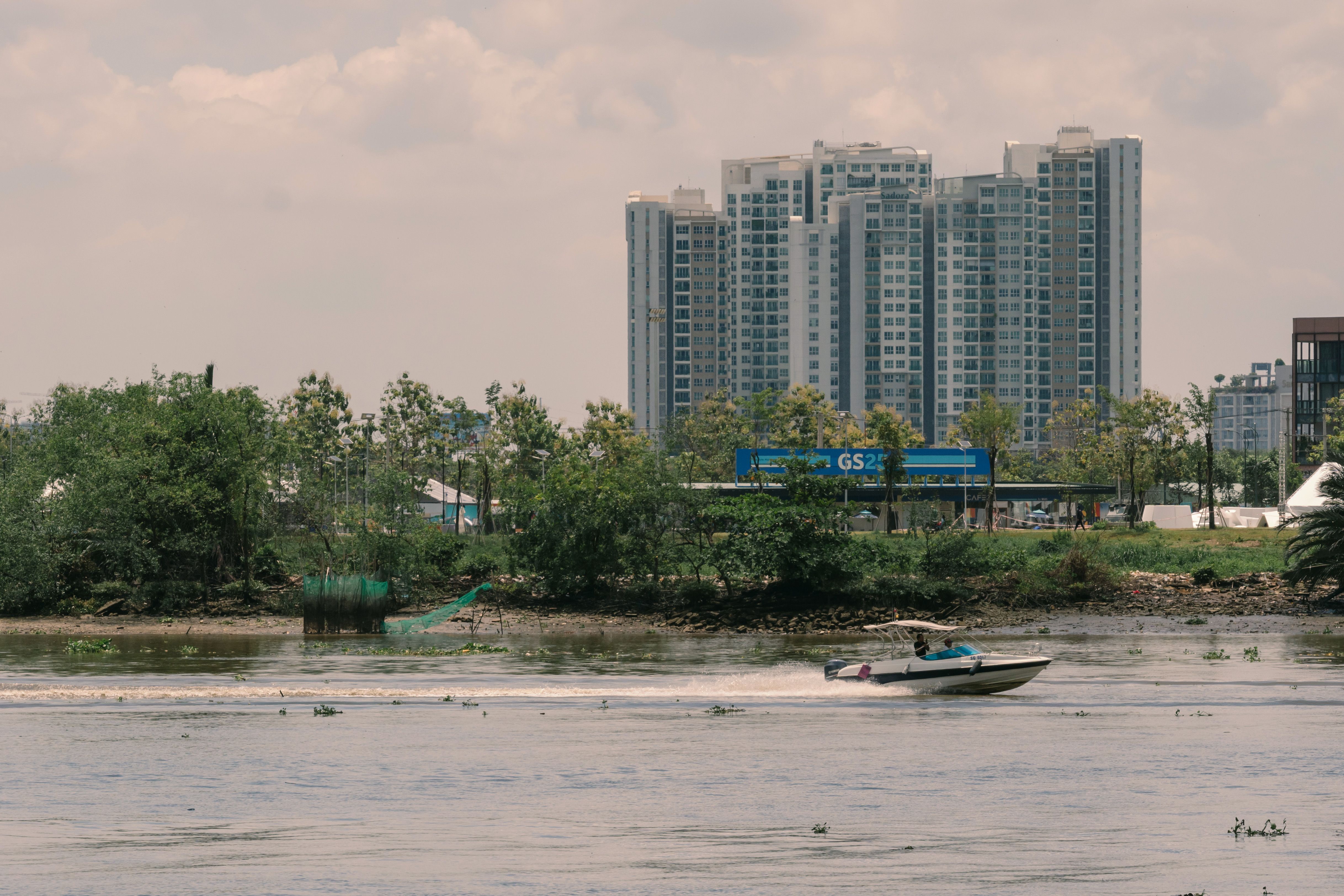
Kuching, the riverside capital of Sarawak on the island of Borneo, sits almost on the equator, so it never really has a cold season, a hot season, or a proper spring and autumn. What it has instead is a wetter half and a drier half of the year, and knowing which is which makes the difference between long lazy days along the waterfront and being pinned indoors by tropical downpours.
The city is hot and humid all year, with daytime highs hovering around 31 to 33C (88 to 91F) regardless of the month. The real variable is rain. The northeast monsoon soaks Kuching from roughly November to February, while the months from April to September are noticeably drier and better suited to jungle trekking, orangutan spotting at Semenggoh, and boat trips to Bako National Park.
Layered on top of the weather is a busy festival calendar. Gawai Dayak in June, the world-famous Rainforest World Music Festival in high summer, and the month-long Kuching Festival in August all draw visitors, so timing your trip is as much about what you want to experience as about staying dry.
The best time to visit Kuching is during the drier months from June to September, when rainfall eases, national parks and jungle trails are most accessible, and the Rainforest World Music Festival lights up the city. Avoid December and January, the peak of the northeast monsoon, when heavy downpours can disrupt boat trips and outdoor plans.
Planning a trip to Kuching?
The short version
Through the year
Expect dramatic, often daily rain and the occasional flooded street, especially in December and January. Boat trips to Bako can be cancelled when seas are rough, so it is not ideal for park-focused itineraries. It suits city-based travelers happy to duck into museums, cafes, and the covered markets between showers.
A quietly excellent time to visit: the heaviest rain is gone, the parks are reopening to easy access, and the city is uncrowded. Afternoon storms are common but usually brief, leaving mornings and evenings pleasant. Great for travelers who want good weather odds without festival crowds.
The prime window for Kuching. Drier weather makes jungle trekking, orangutan viewing, and boat crossings to Bako and Satang islands reliable, and the festival calendar is at its best. The tradeoff is bigger crowds and higher prices during the festival peaks, so reserve accommodation early.
A pleasant shoulder month when the crowds thin but the weather has not fully turned. Rain is more frequent than in high summer but the parks remain accessible. A solid pick for travelers wanting quieter conditions and softer prices before the December deluge.
Notable events & festivals
December and January bring the heaviest rain of the northeast monsoon, with downpours that can flood streets and force cancellations of boat trips to Bako and the islands. If your trip centers on national parks and wildlife, skip these months; if you must travel then, keep flexible plans and focus on city sights.
Got your dates? Build the trip around them.
We'll plan a custom Kuching itinerary tuned to your travel month and pace.
Frequently asked questions
What is the cheapest month to visit Kuching?
Is Kuching worth visiting in the rainy season?
How many days do you need in Kuching?
When is the best time to see orangutans near Kuching?
What is the weather like in Kuching in July?
Kuching rewards travelers who match their plans to the calendar: come between June and September for the best weather and the biggest festivals, or slip in during March to May for a quieter, cheaper trip with good odds of dry skies. Pin down your dates around the Rainforest World Music Festival if music is your goal, book early for the peak weeks, and get ready for Borneo's warmest welcome.
Build your own Kuching trip
Tell us how many days, your budget, and what you're into. We'll turn it into a custom, day-by-day Kuching itinerary.