
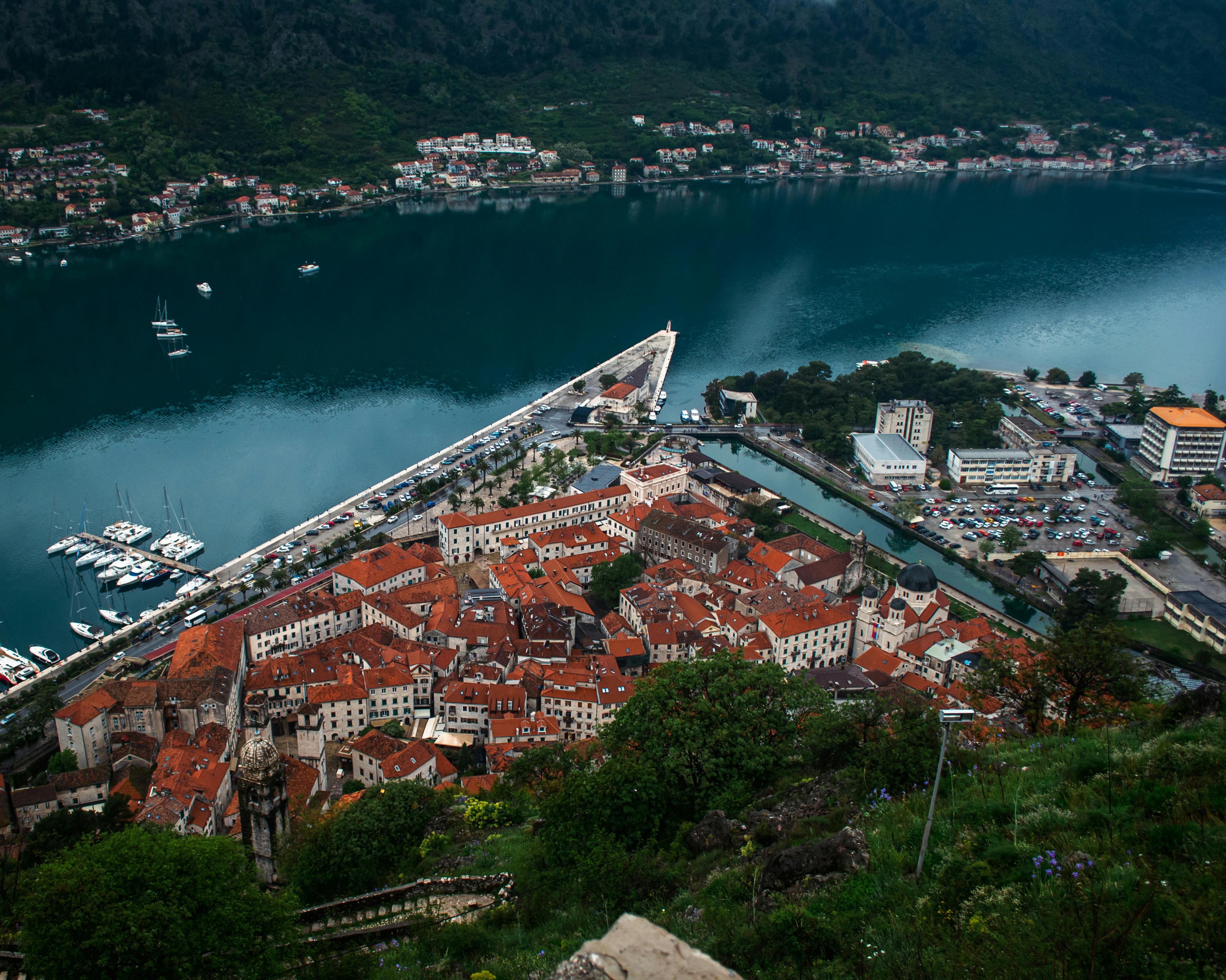
Kotor sits at the head of a steep, fjord-like bay on Montenegro's Adriatic coast, a medieval stone town hemmed in by limestone mountains that rise almost vertically behind its walls. That dramatic setting shapes the weather: summers are hot and bone-dry, winters are mild but among the wettest in Europe, and the shoulder months land in a sweet spot of warm days and thin crowds.
The decision really comes down to three forces pulling against each other: heat, crowds, and cruise ships. July and August deliver reliable sunshine and warm swimming, but they also bring packed alleys, peak prices, and multiple cruise vessels disgorging day-trippers into the tiny Old Town. May, June, September, and early October trade a few degrees of warmth for far more breathing room.
If you want festivals, water sports, and long evenings, aim for summer. If you want comfortable hiking up to the fortress, quieter restaurants, and better value, the shoulder seasons are hard to beat. Winter is moody and cheap, with many coastal businesses shuttered but the town itself wonderfully calm.
The best time to visit Kotor is May, June, and September, when temperatures sit comfortably in the low to mid 20s Celsius (low 70s Fahrenheit), the sea is warm enough to swim, and the worst of the summer cruise crowds have eased. July and August are hottest and busiest, while winter is mild, cheap, and very quiet but often rainy.
Planning a trip to Kotor?
The short version
Through the year
Spring is when the bay turns lush and waterfalls run after winter rains, with wildflowers on the slopes and comfortable hiking conditions. Early spring can still be wet and many beach businesses are not yet open, but by May the town is awake, warm, and not yet crowded. Ideal for sightseers and walkers who do not need to swim.
Summer is Kotor at full tilt: warm seas, buzzing cafes, boat trips across the bay, and long, lively evenings. The trade-off is heat, packed lanes between roughly 10am and 4pm, and the need to book ahead. To enjoy it, explore early or late in the day and escape the midday cruise rush by boat or up into the hills.
September is arguably the finest month of all, with summer warmth, warm sea, and far thinner crowds. October stays mild but turns wetter and many seasonal venues begin to close, while November is calm, cheap, and often soggy. Best for travelers who want warmth and value without the crush.
Winter Kotor is quiet, brooding, and inexpensive, with mist rolling down the mountains and empty marble streets. Many restaurants, boat tours, and beach facilities shut down, and persistent rain can disrupt plans, but the town's churches, cafes, and fortress views remain. Suited to budget travelers and those who prize solitude over swimming.
Notable events & festivals
Avoid the midday hours in July and August if crowds bother you, when several cruise ships can pack the Old Town's narrow lanes between roughly 10am and 4pm. November and December are the wettest months, so skip them if you want dry, sunny days, and note that much of the coastal tourism infrastructure (boat tours, beach clubs, many restaurants) closes from late autumn through early spring.
Got your dates? Build the trip around them.
We'll plan a custom Kotor itinerary tuned to your travel month and pace.
Frequently asked questions
What is the cheapest month to visit Kotor?
Is Kotor worth visiting in winter?
How many days do you need in Kotor?
When is the sea warm enough to swim in Kotor?
When is Kotor least crowded?
Kotor rewards travelers who time it well: come in late May, June, or September for the best blend of warm weather, swimmable sea, and manageable crowds, or embrace the off-season for solitude and bargains. Decide what matters most to you, whether that is beaches, hiking, festivals, or value, and book your bay-view stay before the prime shoulder-season dates fill up.
Build your own Kotor trip
Tell us how many days, your budget, and what you're into. We'll turn it into a custom, day-by-day Kotor itinerary.