
The Best Time to Visit Kigali: A Season-by-Season Guide
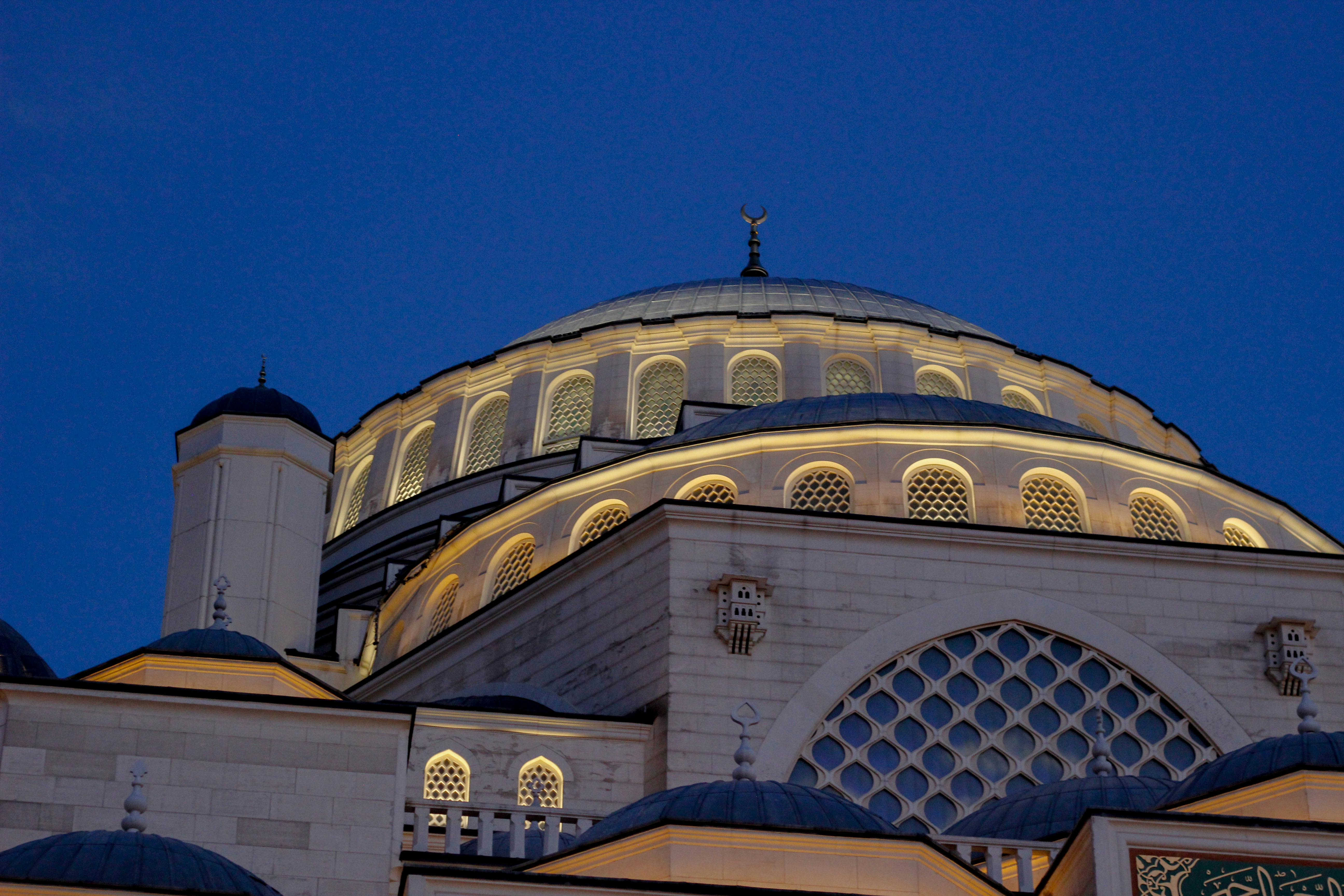
Sitting on a ridge of rolling hills at roughly 1,567 meters (5,140 feet), Kigali sidesteps the heat most travelers expect of an equatorial capital. The altitude keeps temperatures comfortable year-round, usually 26 to 28C (79 to 82F) by day and a cool 15 to 17C (59 to 63F) at night, so the real question is not how hot it will be but how wet.
Rwanda runs on a four-part rhythm: a long dry season (June to September), a short dry season (December to February), a long rainy season (March to May), and a short rainy season (October and November). For most visitors the dry stretches are the sweet spot, with clearer skies, firmer trekking trails, and easier road travel to Volcanoes National Park, the country's gorilla heartland.
Crowds and prices in Kigali itself stay modest compared with safari hubs elsewhere in East Africa, but they rise when permits, conferences, and the gorilla-naming ceremony pull people in. Timing your trip well means balancing the weather you want against the experiences (and budgets) that matter most.
The best time to visit Kigali is the long dry season from June to September, when skies are clearest, humidity is low, and conditions for gorilla trekking and day trips are at their best. The short dry season from December to February is a fine alternative, while the long rains of March to May bring the lowest prices and thinnest crowds.
Planning a trip to Kigali?
At a Glance
Season by Season
Long dry season (June to September)
This is Kigali and Rwanda at their most travel-friendly: dry trails, easy roads, and dependable sunshine. It suits first-time visitors and anyone combining the city with gorilla trekking. The trade-off is higher demand and the need to reserve early.
Short rainy season (October to November)
Rain tends to fall in short bursts rather than all day, so trips remain doable with a flexible schedule. The countryside is vividly green and birdlife is excellent. It suits budget-minded travelers who do not mind packing a rain jacket.
Short dry season (December to February)
A reliable alternative to the mid-year peak, with warm sunshine and good trekking conditions. The festive period brings a livelier city mood and some holiday demand. It suits travelers wanting dry weather outside the busiest June-to-September crush.
Long rainy season (March to May)
Heavy rains can muddy trekking trails and disrupt road travel, but the landscape is at its greenest and the city stays calm and affordable. It suits flexible, budget-conscious travelers and photographers chasing lush scenery. Pack waterproof gear and allow buffer time in your plans.
Notable Events & Festivals
If easy trekking and dry trails are your priority, avoid the long rains of March to May, when heavy afternoon downpours can make forest paths slippery and rural roads difficult. Travelers should also be aware that the Kwibuka commemoration period beginning April 7 is a solemn time nationwide, with some reduced services and a subdued atmosphere.
Frequently Asked Questions
What is the cheapest month to visit Kigali?
Is Kigali worth visiting in the rainy season?
How many days do you need in Kigali?
When is the best time for gorilla trekking from Kigali?
Does Kigali get very hot or cold?
Kigali rewards visitors in every season, but for clear skies, dry trails, and the best gorilla trekking, aim for June to September or the December-to-February dry spell. Whenever you go, pin down permits and lodges early, pack a layer for cool nights, and let Rwanda's hilltop capital be your launchpad into one of Africa's most rewarding journeys.