
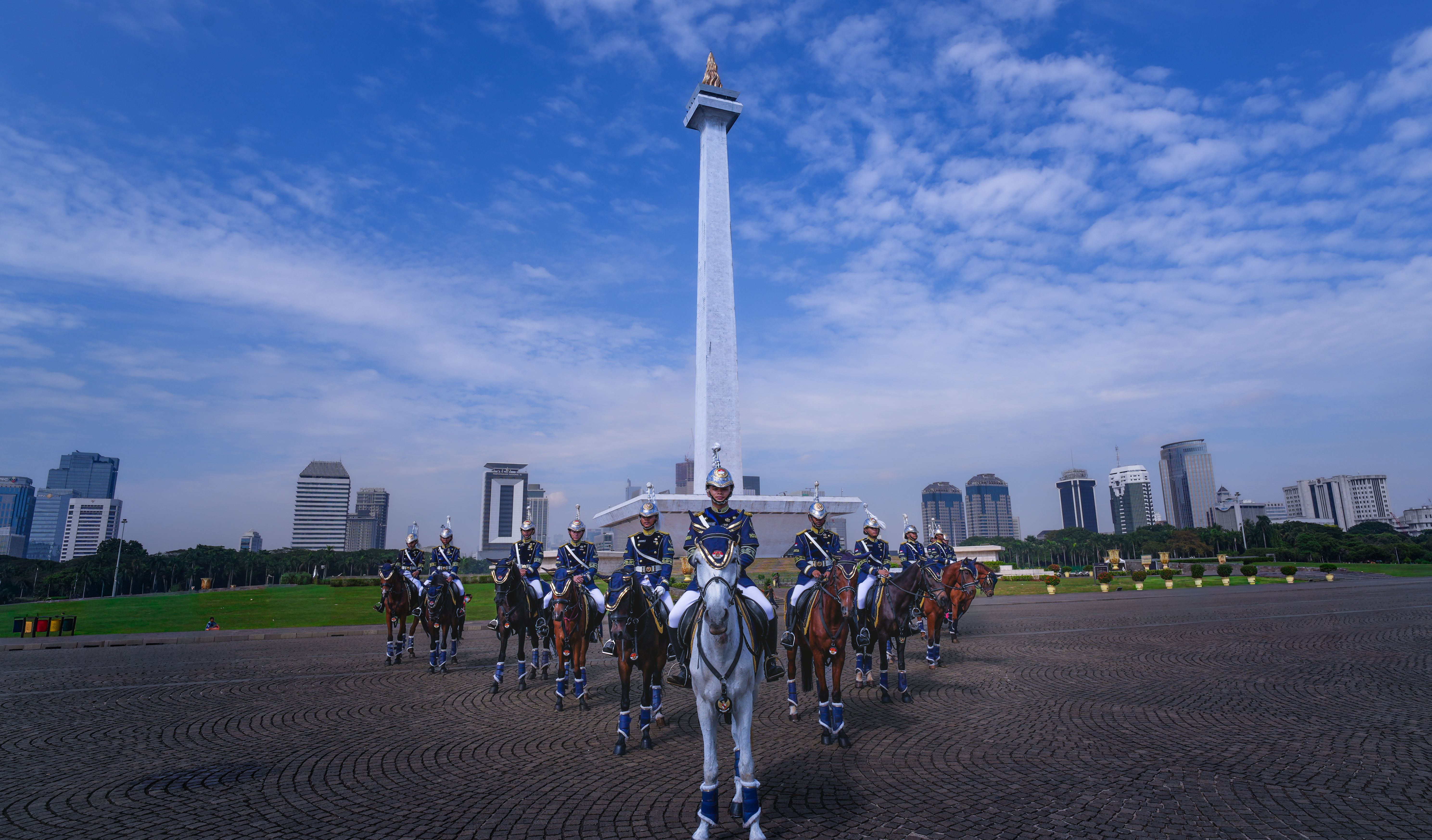
Horse guards parade in front of Jakarta's iconic National Monument.
Best Time to Visit · Jakarta

The Best Time to Visit Jakarta: A Season-by-Season Guide

Indonesia's sprawling capital runs hot and humid year-round, so the real decision is dodging the monsoon downpours and picking the drier, cheaper stretch.

Last updated July 11, 20266 min read

Jakarta sits just south of the equator, so it has no spring, summer, autumn, or winter in the temperate sense. Temperatures barely move all year, hovering around 30-33C (86-91F) by day. What changes is the rain, and it changes dramatically. The city swings between a distinct dry season and a wet monsoon season, and that single factor drives almost every decision about when to go.

The dry season (roughly May to September) delivers the most reliable sunshine, less oppressive humidity, and, crucially, the lowest flood risk in a city that is notoriously prone to it. The wet season (October to April) peaks in January and February, when tropical downpours can shut down roads, snarl the already legendary traffic, and briefly submerge low-lying neighborhoods.

Crowds are less of a factor than in a leisure destination, since Jakarta is a business and transit hub rather than a beach getaway. The bigger price and congestion swings come from Indonesian public holidays, especially the Eid al-Fitr exodus and school breaks. Line up the dry season with an ordinary (non-holiday) week and you get Jakarta at its most manageable.

Quick answer

The best time to visit Jakarta is the dry season from May to September, when rainfall is lowest, flooding is least likely, and days are consistently sunny and hot at around 31-33C (88-91F). June to August is the sweet spot for reliable weather, while the January-February peak of the monsoon is best avoided.

At a glance

The short version

Best overall
June to September. The driest, most predictable weather, minimal flood risk, and comfortable (if humid) sightseeing conditions across the whole city.
Cheapest time
Late January to early March, outside holiday peaks. Hotel rates and regional flights dip during the wettest, lowest-demand stretch of the monsoon, so budget travelers who don't mind rain can save.
Fewest crowds
February and the wet-season weekdays. Fewer domestic tourists and lighter demand mean quieter attractions and easier restaurant bookings, though rain is the trade-off.
Best weather
July and August. Lowest humidity, longest sunny spells, and the smallest chance of a trip disrupted by tropical rain or flooding.
Best for festivals and culture
June for the Jakarta Anniversary celebrations (Jakarta Fair), which fill the calendar with concerts, food, and exhibitions during peak dry weather.
Season by season

Through the year

Dry seasonMay to September
Weather Hot and comparatively dry, with daytime highs of 31-33C (88-91F) and nights around 24-25C (75-77F). Humidity eases slightly and rainfall drops to its annual lows, especially July through September.
Crowds Moderate. This is high season for foreign visitors and peaks around Indonesian school holidays (roughly late June to mid-July) and long weekends.
Prices Mid to high. Hotel and flight prices firm up during the dry months and spike sharply around Eid al-Fitr and school breaks.

The most comfortable and reliable window to see Jakarta, with sunny days ideal for the Old Town, Monas, and day trips to the Thousand Islands. It is still hot and humid, so plan outdoor sightseeing for mornings. Best for first-timers and anyone who wants to avoid weather disruption.

Wet seasonOctober to April
Weather Hot, humid, and rainy, with highs still around 30-32C (86-90F) but frequent heavy downpours, typically in intense afternoon and evening bursts. January and February are the wettest, when prolonged rain can trigger localized flooding.
Crowds Lighter overall, aside from spikes over Christmas, New Year, and Lunar New Year. Weekdays are quiet.
Prices Low to mid, dipping to the year's cheapest in the wettest weeks (January-February), outside the holiday peaks.

Rain rarely lasts all day, so travel is doable if you stay flexible, lean on malls and indoor attractions, and build slack into your schedule for traffic. The downside is real flood risk and gridlock at the January-February peak. Best for budget travelers and anyone comfortable working around tropical storms.

On the calendar

Notable events & festivals

Jakarta Fair / Pekan Raya Jakarta (mid-June to mid-July)A massive month-long exhibition and festival marking Jakarta's anniversary, with concerts, food stalls, shopping, and trade displays at the Kemayoran fairgrounds.
Eid al-Fitr / Lebaran (dates shift with the Islamic calendar; around March in 2026)The end of Ramadan triggers a huge homeward exodus. Many small businesses close for days, but the city itself is unusually quiet and traffic thins as residents leave for their hometowns.
Indonesian Independence Day (August 17)National celebrations, flag ceremonies, and street competitions fill neighborhoods across the capital during peak dry season.
Jakarta International Java Jazz Festival (typically early March)One of Southeast Asia's largest jazz events, drawing global and local artists over three days of performances.
Chinese New Year (late January or February)Glodok, Jakarta's Chinatown, comes alive with lion dances, red lanterns, and temple crowds, though it falls in the wettest part of the year.
When to avoid

Skip January and February if you can, when monsoon rains peak and flooding regularly disrupts roads and low-lying districts. Also weigh the Eid al-Fitr period carefully: many shops, restaurants, and services close for several days, and while the city empties out, transport nationwide is chaotic and expensive.

Got your dates? Build the trip around them.

We'll plan a custom Jakarta itinerary tuned to your travel month and pace.

Generate itinerary

Frequently asked questions

What is the cheapest time to visit Jakarta?
The cheapest stretch is the heart of the wet season, roughly late January through early March, outside the Christmas, New Year, and Lunar New Year peaks. Hotel rates and regional airfares fall because demand is lowest during the rainiest weeks.
Is Jakarta worth visiting during the rainy season?
Yes, if you stay flexible. Rain usually comes in heavy but short bursts rather than all-day washouts, and Jakarta's huge malls, museums, and indoor attractions make it easy to wait out storms. The main risks are flooding and worsened traffic in January and February.
How many days do you need in Jakarta?
Two to three days is enough to cover the highlights: Kota Tua (Old Town), the Monas monument, the National Museum, Glodok's Chinatown, and the city's food and mall scene. Add a day for a boat trip to the Thousand Islands if the weather is dry.
What is the hottest month in Jakarta?
Temperatures are steady all year, but the driest months (typically August to October) feel hottest because of the strong sun and lower cloud cover, with highs around 32-33C (90-91F).
When does it flood in Jakarta?
Flooding is most common during the monsoon peak in January and February, when heavy rain can overwhelm drainage and rivers in low-lying parts of the city. The dry season from May to September carries the lowest flood risk.

Aim for the dry season, ideally June through September, and you will meet Jakarta at its most manageable: sunny days, low flood risk, and a festival calendar in full swing. Pin down your dates around Indonesia's holiday peaks, book a hotel near the areas you want to explore, and let extra time for the traffic. The capital rewards travelers who plan around its rhythm.

Plan with MagicTrips

Build your own Jakarta trip

Tell us how many days, your budget, and what you're into. We'll turn it into a custom, day-by-day Jakarta itinerary.

Ready to book your stay?

Hotels
Homes

Traveling somewhere else?

Generate a custom itinerary