
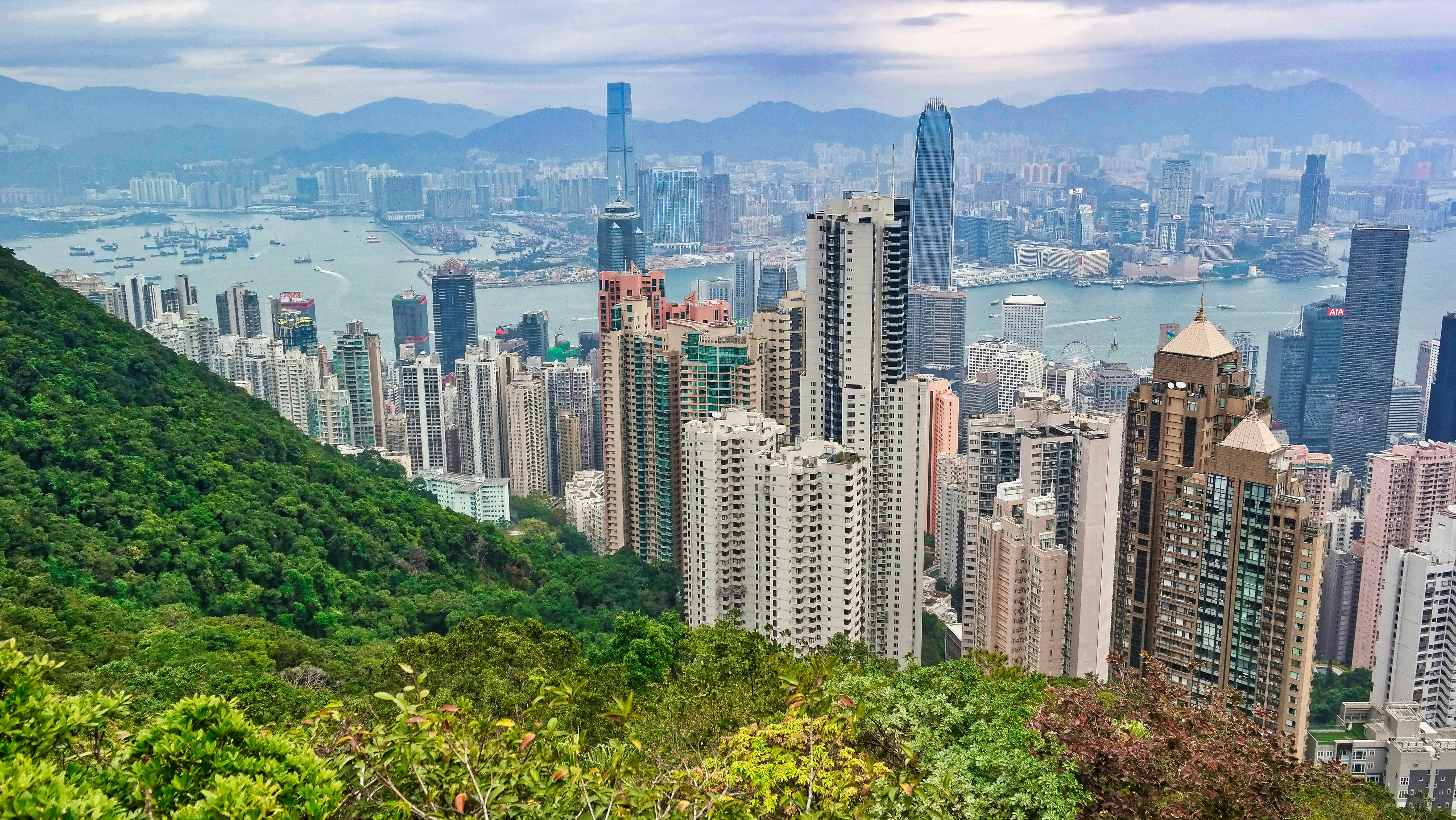
Hong Kong packs a lot into a small, dense corner of southern China: skyscraper canyons, forested hiking trails, outlying islands, dim sum parlors, and one of the world's most photographed harbors. Its subtropical climate means the difference between a great trip and a sweaty, rain-soaked one often comes down to which month you choose.
The city runs on a cycle of hot, humid, storm-prone summers and cool, dry, comfortable winters. The shoulder months of autumn deliver the clear skies and pleasant temperatures most visitors dream of, while spring brings fog and drizzle. Layered on top of the weather are Chinese festivals, school holidays, and business-travel peaks that swing hotel prices sharply.
This guide walks through Hong Kong season by season with real temperatures, honest crowd and price notes, and the festivals worth planning around, so you can pick the window that matches your priorities.
The best time to visit Hong Kong is from October to early December, when the humidity drops, skies turn clear and blue, and temperatures sit in a comfortable 20 to 27 C (68 to 81 F). This autumn window offers the best weather of the year, ideal conditions for hiking and harbor views, and no typhoon risk.
Planning a trip to Hong Kong?
The short version
Through the year
Spring is warm and green but often gray, damp, and foggy, which can obscure the harbor and Peak views many visitors come for. It suits budget-minded travelers who do not mind humidity and want lower prices. Pack a light rain layer and expect sticky afternoons.
Summer is Hong Kong at its most tropical: intense heat, drenching rain, and the real possibility a typhoon parks over the city for a day or two. Air conditioning is everywhere, so indoor attractions, malls, and museums stay comfortable. Go for lower prices and lush hillsides, but keep plans flexible around storms.
October and November are when Hong Kong looks its postcard best: crisp air, blue skies, and comfortable temperatures perfect for hiking and harborfront strolls. The trade-off is bigger crowds and higher prices. Book accommodation well ahead, particularly around major exhibitions.
Winter is dry, clear, and refreshingly cool, excellent for hiking and sightseeing without the sweat, though you may want a jacket in the evenings. The Lunar New Year period is festive but chaotic, with many small businesses closed for several days. Aim for December or early January for the calmest experience.
Notable events & festivals
Skip July through mid-September if you can, when typhoon season peaks and a direct storm hit can ground flights and shut the city for a day. Also weigh the trade-offs of Lunar New Year: it is atmospheric but crowded, expensive, and many local businesses close for several days.
Got your dates? Build the trip around them.
We'll plan a custom Hong Kong itinerary tuned to your travel month and pace.
Frequently asked questions
What is the cheapest month to visit Hong Kong?
Is Hong Kong worth visiting in winter?
When is typhoon season in Hong Kong?
How many days do you need in Hong Kong?
What is the best month for clear skyline views in Hong Kong?
Time your trip for October or November and Hong Kong rewards you with blue skies, cool air, and world-class views; come in winter for calm, dry hiking weather, or in summer for lower prices and a flexible plan. Whichever window you pick, book harbor-view hotels early around peak season and festivals, and let the city's mix of skyline, trails, and street food do the rest.
Build your own Hong Kong trip
Tell us how many days, your budget, and what you're into. We'll turn it into a custom, day-by-day Hong Kong itinerary.