
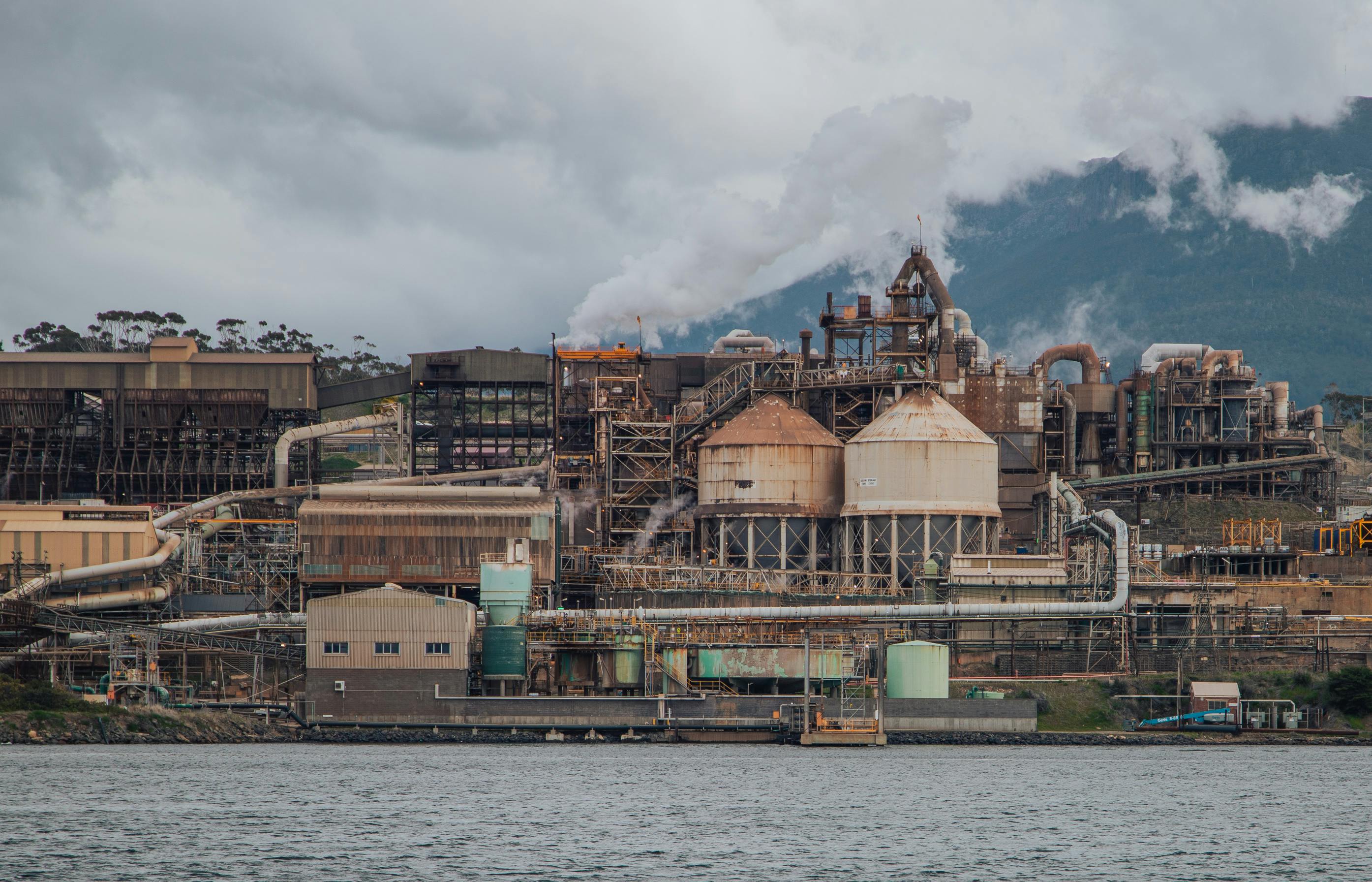
Hobart rewards travelers who understand that its appeal flips with the calendar. As Australia's second-oldest and most southerly capital, it sits on the Derwent estuary beneath kunanyi (Mount Wellington), close enough to the Southern Ocean that the weather can swing through four moods in a single afternoon. The decision of when to come hinges on what you want: long bright summer days and a buzzing waterfront, or the moody, candle-lit drama of a Tasmanian winter.
Summer (December to February) is the obvious high season, with mild temperatures, the famous finish of the Sydney to Hobart Yacht Race, and a packed festival calendar. But Hobart has quietly become a year-round destination, largely thanks to MONA and its midwinter festival Dark Mofo, which has made June one of the most compelling times to visit anywhere in Australia.
Crowds, prices, and daylight are the three levers to balance. Peak summer brings the best beach and bushwalking weather but the highest costs and busiest sites; the shoulder months of autumn and spring offer fine light, fewer people, and better value; and winter splits opinion between those chasing festival magic and those put off by short, cold days.
The best time to visit Hobart is from December to February (summer), when temperatures sit around 12-22C (54-72F), days are long, and the city hosts its biggest events. For lower prices and thinner crowds with still-pleasant weather, visit in March to April (autumn). June is a standout for festival-goers thanks to Dark Mofo, despite the cold.
Planning a trip to Hobart?
The short version
Through the year
This is Hobart at its brightest and liveliest, with long days for bushwalks, harbour cruises, and island day trips. The trade-off is higher prices and a busy waterfront. Ideal for first-time visitors and anyone wanting reliable outdoor weather.
Autumn is a quiet favorite: stable weather, golden light, and the Fagus turning gold in the highlands by late April. Crowds thin and prices ease while days stay comfortable for walking and eating your way through the city. A strong pick for value-conscious travelers and photographers.
Winter is for atmosphere over sunshine: log fires, whisky distilleries, hearty food, and the theatrical Dark Mofo. The cold and short days are real drawbacks for outdoor plans, but the festival energy and rock-bottom off-peak rates make it a deliberate choice rather than a compromise.
Spring brings green hills, alpine wildflowers, and reawakening days, though the weather is the least predictable of the year. It suits hikers and gardeners who don't mind packing for four seasons in one day. Book early-spring dates for quiet sights and reasonable prices.
Notable events & festivals
Avoid the week around Christmas and New Year if you dislike crowds and high prices, as the Sydney to Hobart finish drives demand and accommodation books out. If outdoor activity is your priority, July and August can frustrate with short days, cold, and unsettled weather. And if you want to visit during Dark Mofo, book months ahead, since festival dates sell out fast and rates jump.
Got your dates? Build the trip around them.
We'll plan a custom Hobart itinerary tuned to your travel month and pace.
Frequently asked questions
What is the cheapest month to visit Hobart?
Is Hobart worth visiting in winter?
How many days do you need in Hobart?
What is the warmest month in Hobart?
When is the best time to see snow near Hobart?
Hobart works almost any time of year once you match the season to your trip: summer for long days and waterfront energy, autumn for value and golden light, winter for festival drama and fireside food. Decide what you want from Tasmania's capital, then lock in flights and accommodation early, especially for the New Year and Dark Mofo windows that sell out fastest.
Build your own Hobart trip
Tell us how many days, your budget, and what you're into. We'll turn it into a custom, day-by-day Hobart itinerary.