
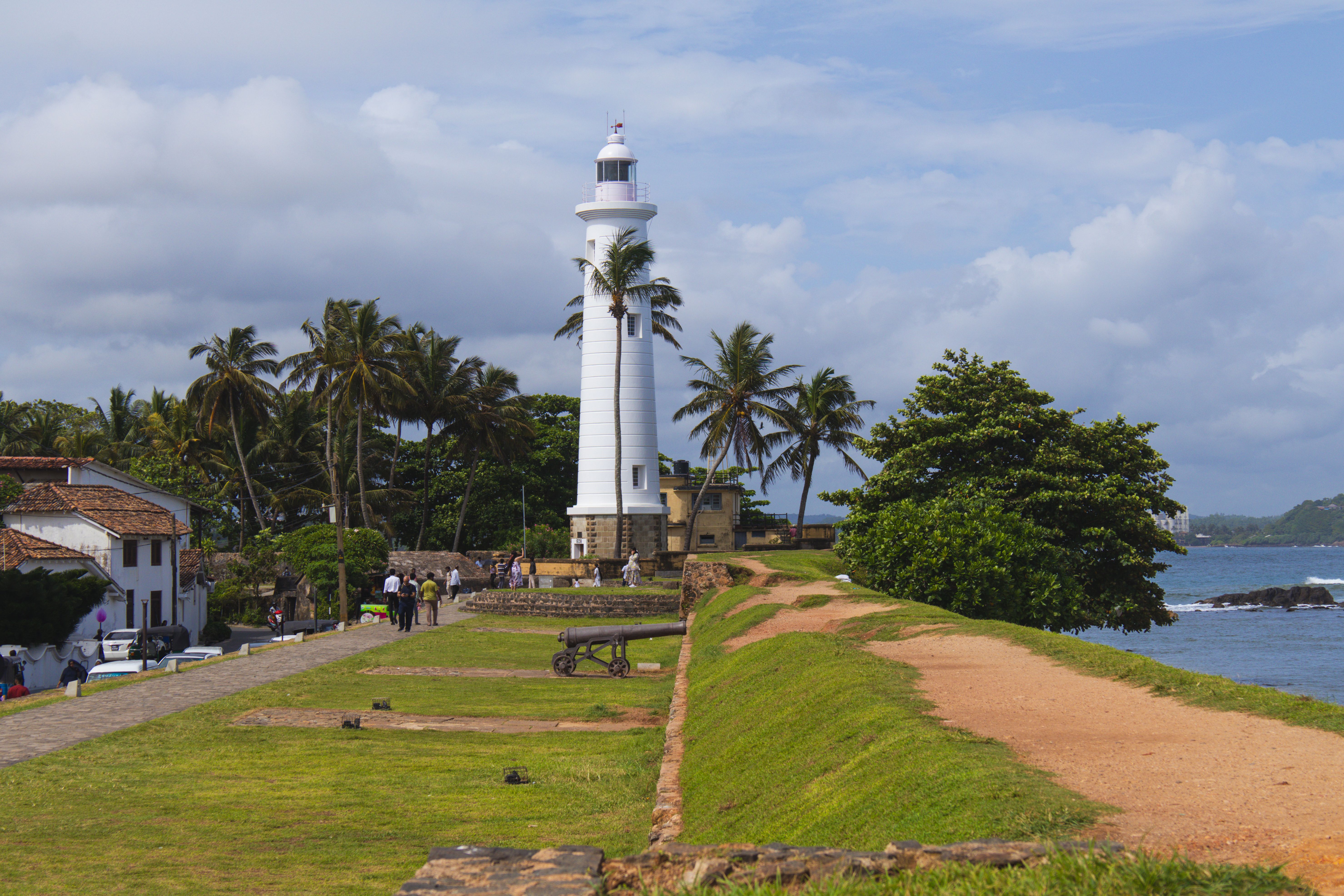
Galle sits on Sri Lanka's southwest coast, where a 17th-century Dutch-walled Fort juts into the Indian Ocean and beach towns like Unawatuna, Mirissa, and Weligama fan out to the east. The single biggest factor in timing a visit here is the southwest (Yala) monsoon, which soaks this exact stretch of coast from roughly May to September. Get the season right and you get warm, dry days, calm swimming, and sunsets over the ramparts; get it wrong and you get humid downpours and churned-up surf.
Temperatures barely move all year. Galle is tropical and hovers around 27 to 31C (81 to 88F) day in, day out, so you are choosing between wet and dry rather than hot and cold. Humidity and rainfall are what actually change your experience, along with sea conditions for swimming, snorkeling, and whale watching off Mirissa.
The peak window runs December through March, drawing the highest prices and the largest crowds, especially around Christmas, New Year, and the mid-January Galle Literary Festival. Shoulder months on either side offer a genuine sweet spot of decent weather and lower rates, while the monsoon delivers the cheapest stays if you can tolerate the rain.
The best time to visit Galle is December to March, the heart of the southwest coast's dry season, with warm days around 30C (86F), calm seas ideal for swimming and whale watching, and reliable sunshine. This is also the busiest and priciest window; late November and early April are quieter, cheaper, and still largely dry.
Planning a trip to Galle?
The short version
Through the year
This is Galle at its finest: sunny days, swimmable sea, and golden light on the ramparts every evening. The trade-off is crowds and premium prices, especially over the holidays and festival week. Ideal for first-timers who want guaranteed good weather.
April is a solid shoulder month: still mostly dry, warm sea, and thinner crowds than winter. Expect rising humidity and the first monsoon showers late in the month. Good for travelers wanting decent weather without peak-season prices.
The monsoon soaks Galle's coast, churning up the sea and closing calm-water swimming for much of the day. But rain often clears to steamy sunshine, the Fort looks dramatic under storm skies, and prices are the cheapest all year. Best for budget travelers and those who don't mind flexible, rain-dodging days.
October is still showery, but by mid-November the weather stabilizes, the sea calms, and Galle reopens for its dry season. Late November is arguably the best-value window of the year: mostly dry, uncrowded, and affordable. Great for travelers who want peak-like conditions without peak prices.
Notable events & festivals
If you want reliable beach and swimming weather, avoid the peak of the southwest monsoon from May to July, when rough seas and heavy showers hit Galle's coast hardest. Also skip the Christmas-New Year fortnight and Galle Literary Festival week if you dislike crowds and premium rates, unless the festival itself is your reason to come.
Got your dates? Build the trip around them.
We'll plan a custom Galle itinerary tuned to your travel month and pace.
Frequently asked questions
What is the cheapest month to visit Galle?
Is Galle worth visiting during the monsoon?
How many days do you need in Galle?
When is the best time for whale watching near Galle?
What is the weather like in Galle in December?
Galle rewards travelers who match their trip to the dry southwest winter, roughly December to March, but the shoulder weeks in late November and April deliver nearly the same sunshine for less. Pin down your dates around whale-watching season or the Literary Festival, book the Fort's boutique stays early, and you will catch this old port at its best.
Build your own Galle trip
Tell us how many days, your budget, and what you're into. We'll turn it into a custom, day-by-day Galle itinerary.