
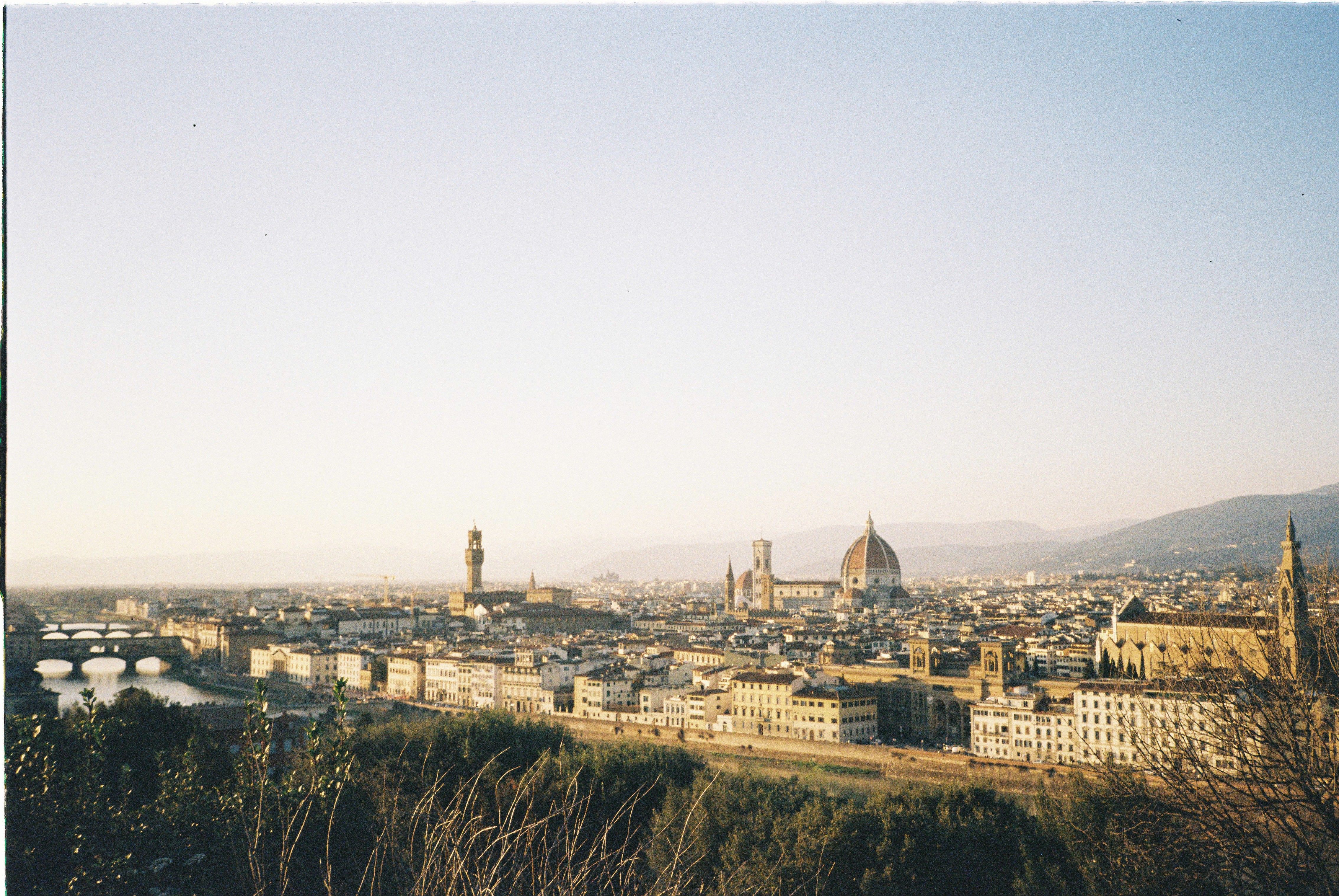
Florence packs Renaissance masterpieces, a walkable historic center, and rolling Tuscan countryside into a city small enough to cross on foot. That compactness is a double-edged sword: when the crowds arrive, the streets around the Duomo and Ponte Vecchio can feel shoulder to shoulder, and the summer heat sits heavily in the stone-walled center.
Timing your visit well means balancing four things: weather, crowds, prices, and what is actually happening in the city. Spring and autumn deliver the sweet spot of comfortable temperatures and thinner queues, while summer brings long days but intense heat and peak tourism. Winter is quiet, atmospheric, and cheap, if you can accept short days and the occasional cold snap.
The good news is that Florence rewards visitors year-round. The museums stay open, the food is excellent in every season, and the light that inspired centuries of painters is a constant. This guide breaks down each season so you can match your trip to what matters most to you.
The best time to visit Florence is from April to early June and from mid-September to October, when temperatures are mild (roughly 18-26C / 64-79F), the countryside is at its most photogenic, and crowds are lighter than the July-August peak. For the cheapest prices and shortest museum lines, come in winter (November to February) outside the Christmas holidays.
Planning a trip to Florence?
The short version
Through the year
Spring is arguably Florence at its finest: gardens like Boboli and Bardini burst into color, cafe terraces reopen, and the temperatures are ideal for walking. The main downside is unpredictable rain in early spring and thickening crowds as the season progresses. Ideal for sightseers who want good weather without July's heat.
Summer offers the longest days and a full calendar of events, but the heat in the stone center is genuinely draining by midday. If you come, start early, book museum tickets in advance, and plan afternoon breaks or countryside escapes. Best for those tied to school-holiday schedules who can tolerate heat and crowds.
Autumn brings the harvest season to the surrounding Tuscan hills, golden light, and a relaxed pace as the summer crowds thin. Early autumn keeps warm-weather comforts while October delivers the season's best balance of value and atmosphere. Perfect for food and wine travelers and photographers.
Winter Florence is atmospheric and affordable, with fewer tourists competing for space in front of Botticelli and Michelangelo. Christmas markets and festive lights brighten December, while January and February suit budget travelers and culture lovers who prize empty galleries over warm weather. The trade-off is short days and cold, sometimes damp conditions.
Notable events & festivals
Skip mid-July through mid-August if you dislike heat and crowds: temperatures often exceed 33C (91F), museum queues are longest, and some local restaurants close for the holidays. Also brace for premium prices and packed streets during Easter week and the Christmas-New Year period.
Got your dates? Build the trip around them.
We'll plan a custom Florence itinerary tuned to your travel month and pace.
Frequently asked questions
What is the cheapest month to visit Florence?
Is Florence worth visiting in winter?
How many days do you need in Florence?
When is the best time to visit Florence to avoid crowds?
What is the hottest month in Florence?
Whether you come for uncrowded winter galleries, blooming spring gardens, or the golden light of the autumn harvest, Florence rewards good timing. Decide what matters most to you, weather, budget, or breathing room, then book early for the best rooms and museum slots and start planning your Tuscan escape.
Build your own Florence trip
Tell us how many days, your budget, and what you're into. We'll turn it into a custom, day-by-day Florence itinerary.