
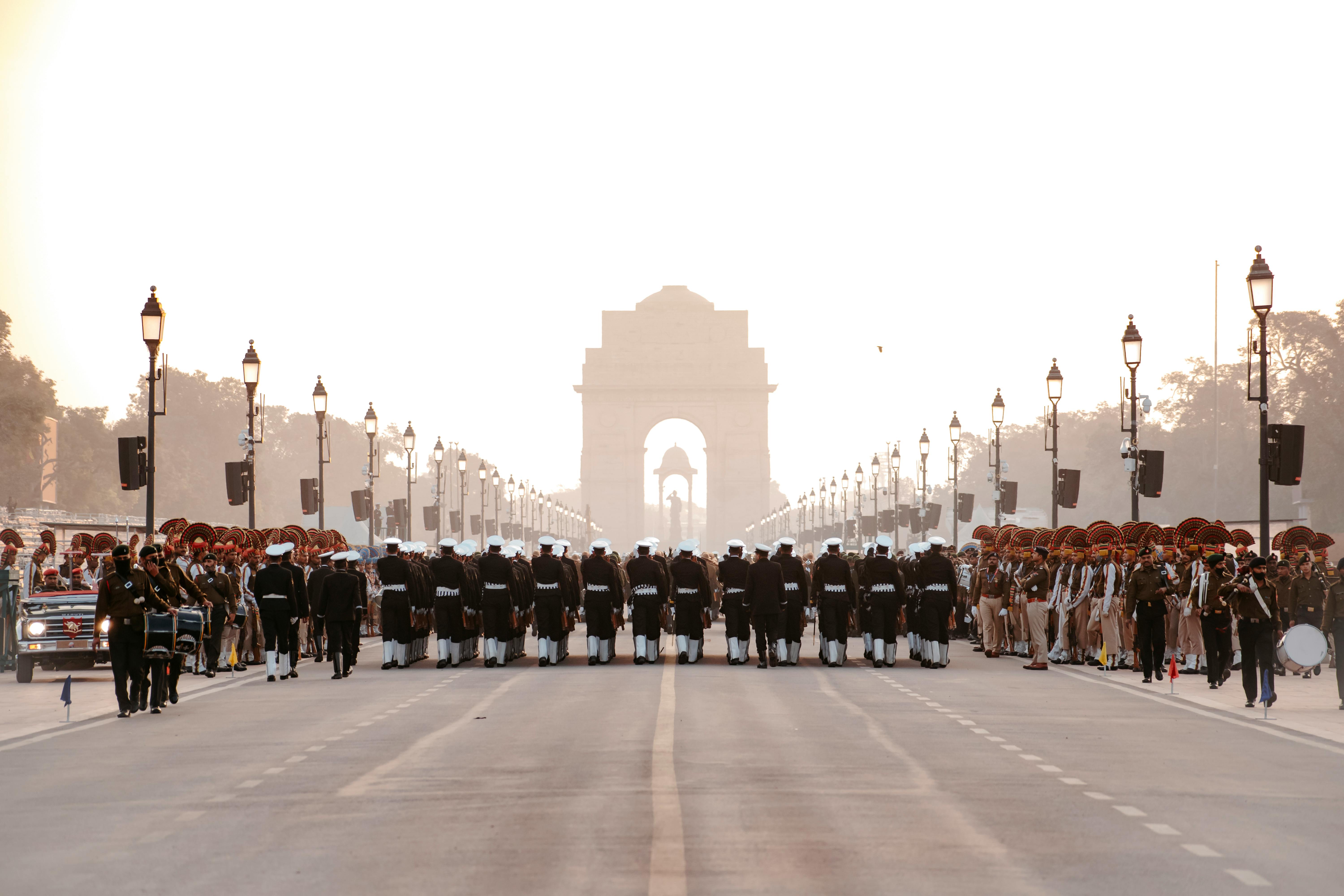
A grand military parade in front of the iconic India Gate in New Delhi, India.
Best Time to Visit · Delhi

The Best Time to Visit Delhi: A Month-by-Month Guide

India's capital swings from foggy winters to furnace-hot summers, so timing is everything. Here is when to go for clear skies, festivals, and the best value.

Last updated July 13, 20267 min read

Delhi runs on extremes. The same city that shivers under a blanket of winter fog in January bakes at 45C (113F) by May, then drowns in monsoon downpours through July and August. Choosing when to visit is really a question of how much heat, rain, and haze you are willing to tolerate in exchange for lower prices and thinner crowds.

For most travelers the answer is simple: come in the cool, dry window from October to March, when the weather is comfortable enough to walk the Mughal monuments, browse the bazaars of Old Delhi, and hop between the tombs and gardens of the south city. This is also festival season, with Diwali, Dussehra, and a string of cultural events lighting up the calendar.

The trade-off is that peak season means peak prices and peak crowds, plus a real risk of hazardous air pollution in November. Understanding the rhythm of Delhi's seasons, and the smog and heat that bookend the pleasant months, is the key to timing your trip well.

Quick answer

The best time to visit Delhi is from October to March, when temperatures are mild (roughly 10-27C / 50-81F) and the skies are mostly dry. October and February to March offer the most comfortable weather with fewer air-quality problems, while November through January can be cold, foggy, and (in November) heavily polluted.

At a glance

The short version

Best overall
October and February to March. Warm days, cool nights, clear-ish skies, and the full slate of monuments and markets at their most walkable.
Cheapest time
April to September. Hotel rates and flights drop sharply during the brutal summer heat and monsoon, when few tourists visit; savings of 30-50% are common.
Fewest crowds
May to July. The extreme heat and early monsoon keep tourist numbers low, so major sights like Humayun's Tomb and the Red Fort feel almost empty (if you can bear the temperatures).
Best weather
February and March. Sunny, dry days around 20-28C (68-82F) with far less of the pollution and fog that plague the deep winter months.
Best for festivals
October and November for Dussehra and Diwali, or March for Holi. Diwali fills the city with lights and fireworks, while Holi brings the famous festival of colors.
Season by season

Through the year

WinterDecember to February
Weather Cold and dry, with daytime highs of 15-22C (59-72F) and nights that can drop to 4-8C (39-46F). Dense morning fog is common in December and January, and rain is rare.
Crowds Peak tourist season, especially late December through January, thanks to pleasant days and the Christmas-New Year holiday period. Expect busy monuments and full hotels.
Prices High. Hotel rates and flights are at their most expensive, particularly around the New Year holidays.

The most comfortable daytime weather of the year makes winter ideal for sightseeing, but pack layers for chilly mornings and evenings. Heavy fog can delay flights and trains in December and January, and cold snaps surprise many visitors. Best for travelers who prioritize mild weather over budget.

SpringMarch to April
Weather Warming quickly from pleasant to hot. March sits around 20-30C (68-86F), but by late April highs climb to 38-40C (100-104F). Dry and mostly sunny.
Crowds March is busy shoulder season with good weather; crowds thin out fast as April's heat builds.
Prices Mid, dropping through April. March holds firmer rates; late April sees prices fall as the tourist season winds down.

March is one of the best months to visit, with warm sunshine, clear skies, and the color and chaos of Holi. April becomes uncomfortably hot for extended sightseeing, though the falling prices and light crowds reward flexible travelers who plan around the midday heat.

SummerMay to June
Weather Extreme, dry heat. Daytime highs routinely hit 40-45C (104-113F) and can exceed 47C (117F) during heatwaves, with hot loo winds. Humidity rises toward late June as the monsoon approaches.
Crowds Very low. This is the least popular time to visit; most tourists avoid Delhi entirely.
Prices Low. The best deals of the year on hotels and flights, with easy availability.

Summer in Delhi is punishing, and prolonged outdoor sightseeing can be dangerous during peak afternoon heat. If you come, plan indoor and early-morning activities, stay hydrated, and choose air-conditioned accommodation. Only worth it for budget travelers using Delhi as a transit point or those heading onward to Himalayan hill stations.

MonsoonJuly to September
Weather Hot and humid with heavy, sporadic downpours. Highs of 30-35C (86-95F) with high humidity; total rainfall peaks in July and August, sometimes flooding low-lying streets.
Crowds Low. Rain and humidity keep tourist numbers down, though it is less deserted than peak summer.
Prices Low to mid. Good value continues, with rates ticking up slightly toward the festive-season approach in late September.

The monsoon breaks the heat and washes the city greener, but downpours cause waterlogging, traffic snarls, and humidity that saps energy. Sightseeing is possible between showers, and the gardens and monuments look lush. Suits budget travelers who do not mind rain and want to dodge crowds.

AutumnOctober to November
Weather Cooling and pleasant. October ranges 20-33C (68-91F); November settles to 12-27C (54-81F). Mostly dry, though air pollution can spike badly in late October and November.
Crowds High and rising. October kicks off the main tourist season, and the festival calendar (Dussehra, Diwali) draws domestic and international visitors alike.
Prices Mid to high, climbing through the season and spiking around Diwali.

October offers arguably the best all-round weather of the year and the excitement of festival season. The major caveat is air quality: after Diwali and crop-burning season, Delhi's smog can reach hazardous levels in November, sometimes forcing school closures. Time an October trip early in the month for the best balance.

On the calendar

Notable events & festivals

Holi (March)India's exuberant festival of colors, celebrated with powdered dyes, water, music, and sweets. Many hotels and venues host organized Holi parties for travelers who want to join in safely.
Dussehra (October)Marks the victory of good over evil with dramatic public burnings of giant effigies of the demon king Ravana, notably at Ramlila grounds across the city.
Diwali (October or November)The festival of lights is Delhi's biggest celebration, with homes and markets lit by lamps, elaborate sweets, and fireworks. Expect festive energy but also a spike in air pollution and crowds.
Qutub Festival (late November or December)A classical music and dance festival staged against the floodlit backdrop of the Qutub Minar, showcasing leading Indian performers.
Republic Day (26 January)A grand military and cultural parade down Rajpath (Kartavya Path) with tanks, marching bands, and state floats. Security is tight and central Delhi gets very busy; tickets for viewing stands are limited.
When to avoid

Avoid May and June, when dry heat regularly exceeds 43C (109F) and makes outdoor sightseeing genuinely hazardous. Also be cautious about November, when post-Diwali fireworks and regional crop burning can push air pollution to hazardous levels that trigger health warnings, especially for anyone with respiratory conditions.

Got your dates? Build the trip around them.

We'll plan a custom Delhi itinerary tuned to your travel month and pace.

Generate itinerary

Frequently asked questions

What is the cheapest month to visit Delhi?
May and June are the cheapest months, when extreme summer heat drives hotel and flight prices down by 30-50%. The monsoon months of July to September also offer strong value.
Is Delhi worth visiting in winter?
Yes. Winter (December to February) has the most comfortable daytime temperatures for sightseeing, around 15-22C (59-72F). Just be prepared for chilly mornings, cold nights, and dense fog that can delay flights and trains.
When is Delhi's air pollution worst?
Air quality is at its worst from late October through December, peaking after Diwali when crop burning in neighboring states combines with fireworks and cooler, stagnant air. If air quality is a concern, favor February, March, or early October.
How many days do you need in Delhi?
Two to three days is enough to see the highlights of Old and New Delhi, including the Red Fort, Jama Masjid, Humayun's Tomb, Qutub Minar, and India Gate. Add a day if you plan to shop the markets or take a day trip to Agra.
What is the best month to visit Delhi for good weather?
February and March offer the best combination of warm, sunny days (20-28C / 68-82F), dry skies, and lower pollution than the deep winter and post-Diwali months.

Delhi rewards good timing more than almost any Indian city. Aim for October or February to March for the sweet spot of pleasant weather and festival energy, or trade comfort for deep discounts in the quiet summer and monsoon months. Whenever you go, check the air-quality forecast, pack for the season, and let the city's monuments, markets, and street food do the rest.

Plan with MagicTrips

Build your own Delhi trip

Tell us how many days, your budget, and what you're into. We'll turn it into a custom, day-by-day Delhi itinerary.

Ready to book your stay?

Hotels
Homes

Traveling somewhere else?

Generate a custom itinerary