
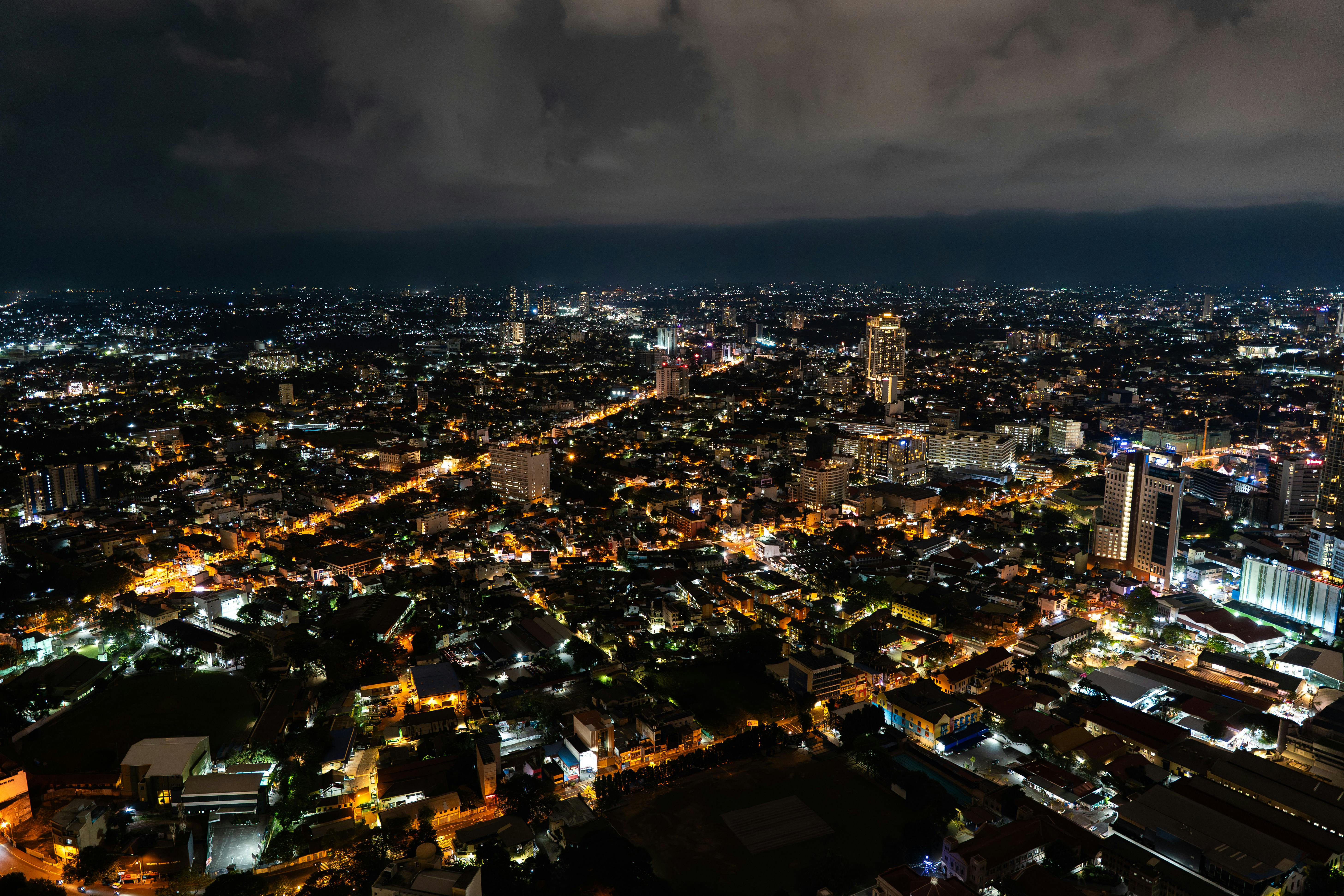
Colombo sits just above the equator on Sri Lanka's west coast, which means the temperature barely moves all year: expect daytime highs around 30 to 32 C (86 to 90 F) in every month, with warm, sticky nights and high humidity. What actually changes the experience is rain, and rain here is governed by monsoons rather than seasons in the European sense.
The southwest monsoon (locally the Yala) brings the heaviest rain to Colombo and the west coast from roughly May to September, peaking in May and October. A second, briefer wet spell arrives with the intermonsoon rains around October and November. The clearest, most reliable window runs from December to March, which is also high tourist season for the whole island.
Because Colombo is usually a gateway rather than a beach destination, timing often comes down to what else you are doing in Sri Lanka. But if the city itself is the goal, aim for the dry, sunny months and dodge the two rainy peaks.
The best time to visit Colombo is December to March, the dry season, when rainfall is lowest, humidity eases slightly, and days are reliably sunny with highs around 31 C (88 F). This is also peak tourist season across Sri Lanka, so book flights and hotels early.
Planning a trip to Colombo?
The short version
Through the year
The most dependable window for good weather in Colombo, ideal if you want sunny days for Galle Face Green, Fort, and Pettah, plus easy onward travel to the hills and south coast. The trade-off is higher prices and more tourists. Best for first-time visitors and anyone combining the city with a wider Sri Lanka trip.
April is festive but sweaty, with the Sinhala and Tamil New Year emptying the city as locals return to their villages (many shops and restaurants close for a few days in mid-April). Expect short, heavy downpours and heavy humidity. Suits travelers who want to experience the New Year celebrations and do not mind the heat.
Wet, but not a washout: mornings are frequently dry and sunny before storms build later in the day. With careful planning around the rain, this is a rewarding time to explore museums, cafes, and markets on a budget. Best for value-focused travelers and repeat visitors comfortable with a flexible schedule.
The transitional months bring unpredictable, often dramatic thunderstorms and high humidity. Deals are still easy to find and crowds are thin, but you will need patience and a rain plan. Suits flexible travelers who can work around downpours and want to beat the December price surge.
Notable events & festivals
If you want reliable sunshine, avoid the two rainiest peaks: May (the onset of the southwest monsoon) and October (the intermonsoon peak), when heavy thunderstorms are most likely. Also note that mid-April's New Year holiday brings temporary closures of many shops and restaurants for several days.
Got your dates? Build the trip around them.
We'll plan a custom Colombo itinerary tuned to your travel month and pace.
Frequently asked questions
What is the cheapest month to visit Colombo?
Is Colombo worth visiting during the monsoon?
How many days do you need in Colombo?
Does it ever get cold in Colombo?
When is the best weather in Colombo?
Colombo rewards travelers who time around its monsoons: come between December and March for dependable sun, or take advantage of the quiet, cut-price months of the southwest monsoon if you can dance around the afternoon storms. Whichever window you choose, pin your dates to the dry season or a festival, then build your wider Sri Lanka itinerary around the capital.
Build your own Colombo trip
Tell us how many days, your budget, and what you're into. We'll turn it into a custom, day-by-day Colombo itinerary.