
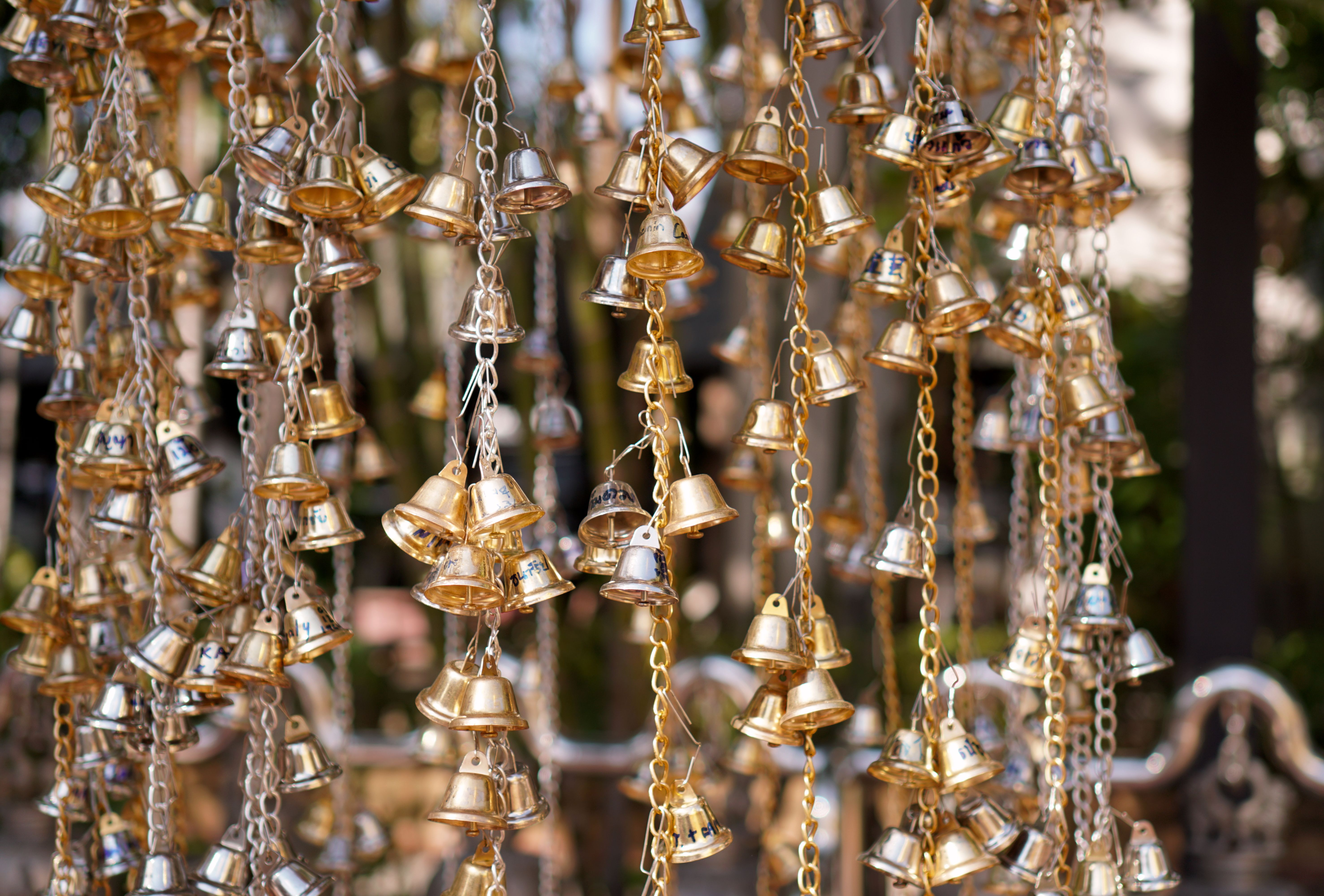
Chiang Mai runs on three seasons rather than four: a cool dry season, a hot dry season, and a green rainy season. Unlike Thailand's beach islands, this is an inland, mountain-ringed city at around 310 meters, so nights can genuinely cool off and the surrounding hills matter as much as the calendar. What you get out of a trip depends heavily on which of those three windows you land in.
The headline consideration for most travelers is the cool season from roughly November to February, when comfortable temperatures, clear skies, and the region's biggest festivals overlap. The trade-off is that everyone else knows this too, so prices climb and the old city fills up. Shoulder into the green season and you swap crowds for lush scenery, dramatic afternoon storms, and the lowest room rates of the year.
The one period to think carefully about is the burning season, roughly late February through April, when agricultural fires blanket the north in haze and air quality can become genuinely unhealthy. Timing around that window is the single most important decision you will make when planning Chiang Mai.
The best time to visit Chiang Mai is November to February, the cool dry season, when daytime highs sit around 28-30C (82-86F), humidity drops, skies are clear, and the Yi Peng and Loy Krathong lantern festivals light up November. Avoid roughly late February to April, when crop-burning creates heavy air pollution.
Planning a trip to Chiang Mai?
The short version
Through the year
This is Chiang Mai at its most comfortable: crisp mornings, clear skies, and cool evenings ideal for night markets and temple-hopping. It suits first-timers and anyone wanting reliable weather, but you pay for it in higher prices and more people. Book early if your trip includes November or the December holidays.
This is the trickiest time to visit. The heat is intense and the smoke haze in March and early April can be a serious health concern, obscuring the mountains and irritating eyes and lungs. The one bright spot is Songkran in mid-April, Thailand's raucous water-fight new year, which is legendary in Chiang Mai but not for those who want peace and clean air.
The countryside turns brilliant green, waterfalls surge, and the haze is long gone, replaced by washed-clean mountain views between storms. Rain rarely ruins a whole day, but bring a poncho and stay flexible with outdoor plans. This season suits budget travelers, photographers, and anyone who prefers a calm, uncrowded city.
Notable events & festivals
Avoid roughly mid-February through April, the burning season, when crop and forest fires cause heavy air pollution across northern Thailand. March is usually the worst, with air quality frequently reaching unhealthy or hazardous levels, hazy skies, and lost mountain views. It coincides with the year's hottest temperatures, so travelers sensitive to air quality or heat should plan around this window.
Got your dates? Build the trip around them.
We'll plan a custom Chiang Mai itinerary tuned to your travel month and pace.
Frequently asked questions
What is the cheapest month to visit Chiang Mai?
Is Chiang Mai worth visiting during the rainy season?
When is the burning season in Chiang Mai and how bad is it?
How many days do you need in Chiang Mai?
When are the lantern festivals in Chiang Mai?
Chiang Mai rewards good timing more than almost any city in Thailand. Aim for the cool season if you want festivals and flawless weather, the green season if you want value and calm, and steer clear of the March haze. Pick your window, book early for November, and northern Thailand's easygoing charm will do the rest.
Build your own Chiang Mai trip
Tell us how many days, your budget, and what you're into. We'll turn it into a custom, day-by-day Chiang Mai itinerary.