
The Best Time to Visit Chengdu: A Season-by-Season Guide

From spring peony blooms to the misty pandas of autumn, here is when to time your trip to Sichuan's laid-back capital.
Last updated June 25, 2026
The Best Time to Visit Chengdu: A Season-by-Season Guide
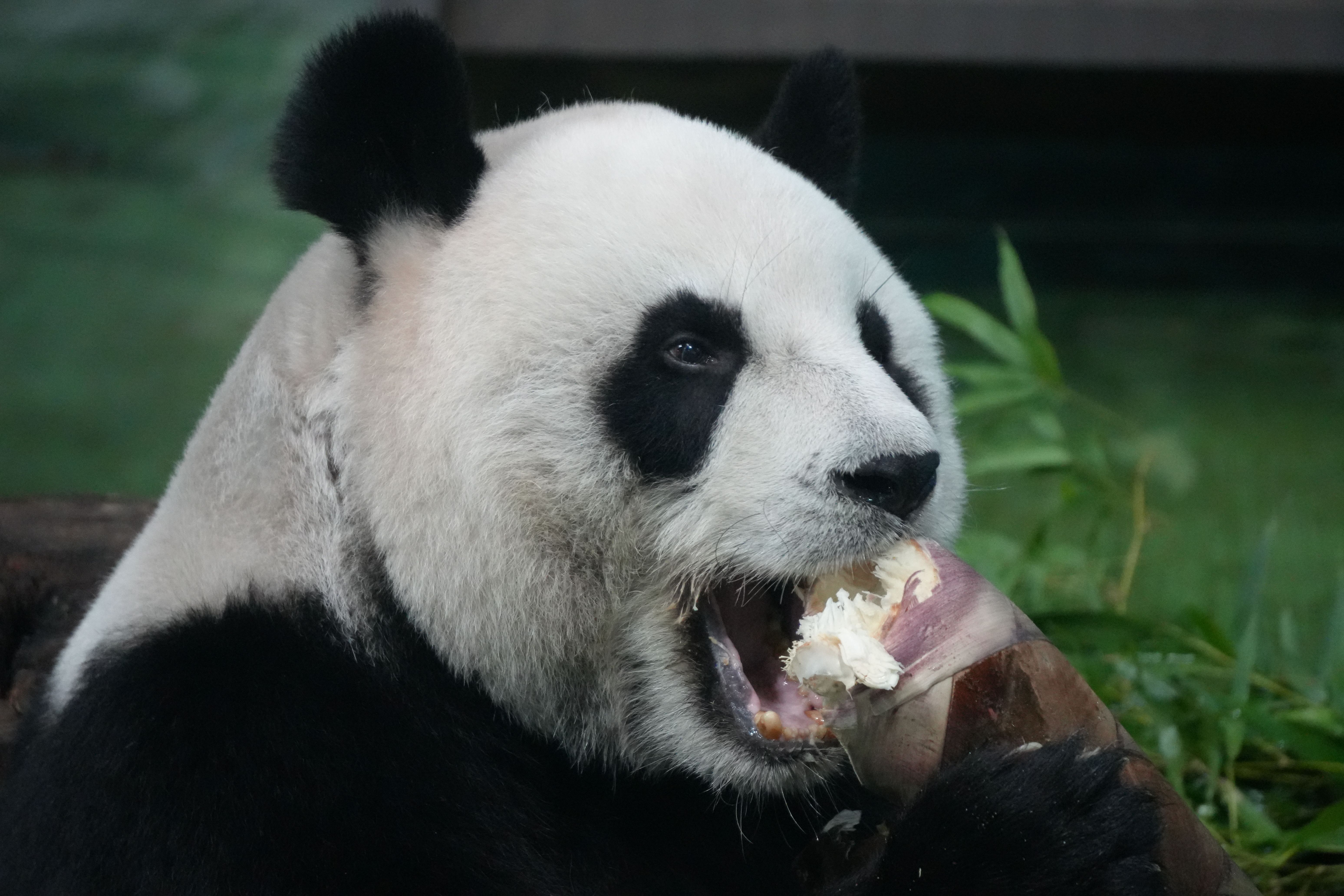
A giant panda enjoying bamboo, highlighting its natural habitat and diet. · Snow Chang

Chengdu sits in the Sichuan Basin, a humid bowl ringed by mountains that traps cloud and mist for much of the year. The city famously sees little direct sun, which locals joke is why the giant pandas (and the people) seem so relaxed. This means your decision is less about chasing sunshine and more about dodging the heaviest summer rains, the suffocating July heat, and the crushing domestic-holiday crowds.

The sweet spots are the two shoulder seasons. Spring (March to May) brings blossoms, mild temperatures, and lively pandas, while autumn (September to November) delivers the most comfortable, driest stretch of the year. Summer is hot, sticky, and wet, and winter is gray and damp but quiet and cheap.

Crucially for budget and crowds, China's national holidays distort everything: avoid Chinese New Year, the May Day break, and the October Golden Week unless you accept packed sites and peak prices. Plan around those weeks and Chengdu is one of China's most rewarding and affordable big cities.

Quick Answer

The best time to visit Chengdu is spring (March to May) and autumn (September to November), when temperatures are mild (15-25C / 59-77F), rainfall is lower, and the giant pandas are most active. Autumn is the single most reliable window for comfortable, drier weather. Avoid the hot, wet summer and China's Golden Week holiday in early October.

At a Glance

Best overallLate September to early November. Skies clear after the summer rains, temperatures are comfortable, and (apart from the early-October holiday) crowds thin out.
Cheapest timeDecember to February (excluding Chinese New Year). Hotels and flights drop to their lowest as the cold, gray weather deters domestic tourists.
Fewest crowdsWeekdays in late November and in winter outside Chinese New Year. Teahouses, parks, and the panda base are at their calmest.
Best weatherOctober. It is the driest, sunniest month Chengdu gets, with pleasant days around 20-25C (68-77F) and cool evenings.
Best for seeing giant pandasMarch to May and October to November. Pandas are far more active in cooler weather; in spring you may also catch newborn cubs from the previous summer's breeding season.
Best for spring blossomsMarch and April, when peach, plum, and rapeseed flowers bloom around the city and in the surrounding countryside.

Season by Season

Spring (March to May)

Weather Mild and increasingly humid, with daytime highs rising from about 15C (59F) in March to 26C (79F) in May, and nights around 8-16C (46-61F). Frequent overcast skies and occasional light rain.
Crowds Moderate, building toward the May Day holiday (early May), which brings a sharp, brief spike in domestic visitors.
Prices Mid-range. Prices are reasonable except for the May 1-5 holiday window, when they jump.

One of the two best windows: comfortable temperatures, blossoms in and around the city, and active pandas. Days are often cloudy rather than sunny, but rain stays manageable. Ideal for first-time visitors who want sightseeing plus day trips, just steer clear of the early-May holiday rush.

Summer (June to August)

Weather Hot, humid, and wet. Highs of 28-33C (82-91F) with sticky nights around 22-24C (72-75F). This is the rainy season, with frequent heavy downpours, especially July and August.
Crowds Busy. School summer holidays fill the panda base and nearby attractions with domestic families, particularly in July and August.
Prices High during July-August school holidays; June is calmer and cheaper.

The least comfortable season: muggy heat, frequent rain, and pandas that retreat to air-conditioned dens during the hottest hours. If you come, visit the pandas at opening time (around 7:30-8:30am) when they are fed and active, and use the rainy afternoons for teahouses and hotpot.

Autumn (September to November)

Weather The most pleasant season. Highs ease from around 27C (81F) in September to 14C (57F) in November, with nights cooling to 5-18C (41-64F). Rain tapers off and October is the driest, clearest month.
Crowds Low to moderate, with one big exception: the October 1-7 National Day Golden Week, when domestic tourism peaks nationwide.
Prices Mid-range, spiking sharply during Golden Week (early October) and easing again by late October.

The top pick for weather. Cool, drier days make sightseeing, panda visits, and trips to the Sichuan countryside genuinely enjoyable, and autumn foliage adds color to mountain day trips. Time your visit for mid-to-late October or November to skip the Golden Week crush.

Winter (December to February)

Weather Cold, damp, and gray rather than freezing. Highs of 8-12C (46-54F) and lows of 2-5C (36-41F), with persistent cloud, fog, and high humidity that makes it feel colder. Snow in the city is rare.
Crowds Lowest of the year, except for the Chinese New Year period (the festival falls on February 17, 2026), when domestic travel surges and many small businesses close.
Prices Lowest of the year for flights and hotels, outside the Chinese New Year window.

Quiet and cheap, suited to budget travelers who do not mind dreary skies. Many local buildings lack good heating, so pack warm layers. The upside: hotpot tastes its best in the damp cold, the pandas are lively, and you will share the city with far fewer tourists.

Notable Events & Festivals

Chinese New Year / Spring Festival (around February 17, 2026) China's biggest holiday brings temple fairs, lantern displays, and festive markets, but also closed businesses, sold-out transport, and crowds. Chengdu's parks host flower and lantern shows; book everything well ahead.
Chengdu International Panda Lantern Festival (winter, roughly January to February) Zigong and Chengdu light up with enormous illuminated silk lanterns, many panda-themed, drawing big evening crowds during the cold months.
Qingcheng Mountain and spring flower season (March to April) Peach, plum, and rapeseed blossoms peak around the city and in nearby countryside, a popular time for day trips to Qingcheng Mountain and Dujiangyan.
Dragon Boat Festival (around June 19, 2026) A traditional holiday marked by sticky-rice zongzi and, in some riverside spots, dragon boat racing. Expect a busy long weekend.
National Day Golden Week (October 1-7) A week-long national holiday and one of the busiest travel periods in China. Attractions and transport are packed and prices peak, so it is best avoided unless unavoidable.
Mid-Autumn Festival (around September 25, 2026) A family holiday centered on mooncakes and the full moon, with festive teahouse and park gatherings across the city.
When to Avoid

Avoid the three big domestic-holiday crushes: Chinese New Year (around February 17, 2026), the May Day break (May 1-5), and National Day Golden Week (October 1-7), when sites are jammed, prices peak, and transport sells out. Also weigh July and August carefully: the heat is muggy, rain is heaviest, and pandas are sluggish in the warmest hours.

Frequently asked questions

What is the cheapest month to visit Chengdu?
January and early December are typically the cheapest, with the lowest flight and hotel prices, as long as you avoid the Chinese New Year period. The cold, gray weather keeps domestic tourist numbers low.
When is the best time to see the giant pandas in Chengdu?
Visit in spring (March to May) or autumn (October to November), when cooler temperatures keep the pandas active outdoors. Arrive at the Chengdu Research Base of Giant Panda Breeding right when it opens, around 7:30-8:30am, which is feeding time and when the pandas are liveliest.
Is Chengdu worth visiting in winter?
Yes, if you want low prices and few crowds. Winter is cold and damp with mostly gray skies, but the pandas are active, hotpot is at its best, and you will enjoy the teahouses and sights without the crowds, just avoid the Chinese New Year week.
How many days do you need in Chengdu?
Three to four days is ideal: one for the panda base and city sights, one or two for teahouses, hotpot, and the historic streets, and one for a day trip to Dujiangyan, Qingcheng Mountain, or the Leshan Giant Buddha.
Does it rain a lot in Chengdu?
Yes, Chengdu is cloudy and humid year-round and sees little direct sun. The heaviest rain falls in summer (July and August), while October is the driest and clearest month.

Chengdu rewards travelers who time it right: aim for October for the best weather, spring for blossoms and active pandas, or winter for rock-bottom prices and empty teahouses. Whenever you go, dodge the big national holidays, pack a layer for the damp, and come hungry for hotpot. Start mapping out your panda-and-hotpot itinerary now.

Ready to book your trip?

Search Hotels
Search Homes

Traveling somewhere else?

Generate a custom itinerary