
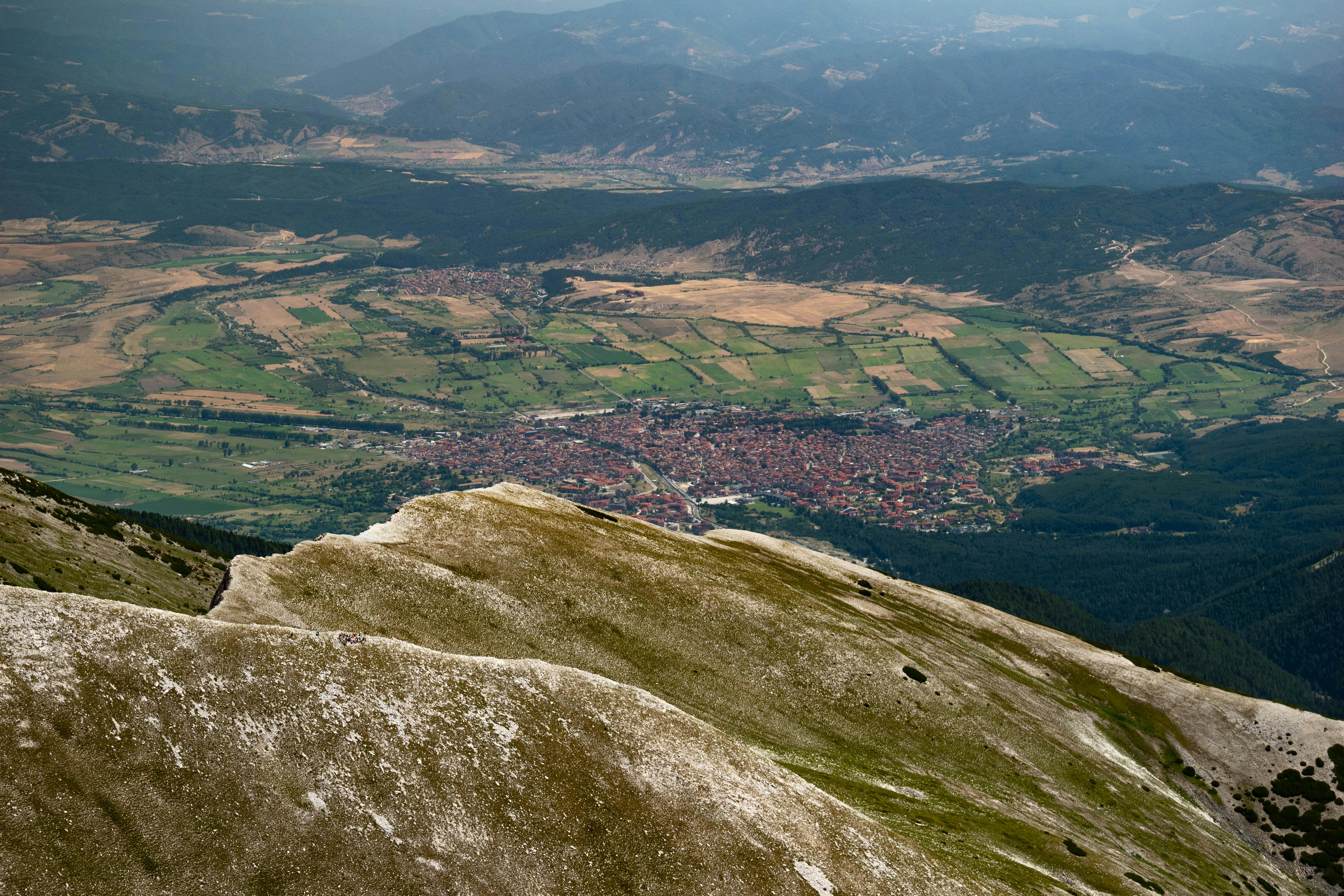
Scenic aerial view of Bansko, a town nestled in Bulgaria's lush landscapes.
Best Time to Visit · Bansko

The Best Time to Visit Bansko: A Season-by-Season Guide

From January powder days under Pirin's peaks to wildflower hiking in July, here is when to time your trip to Bulgaria's top mountain town.

Last updated June 26, 20267 min read

Bansko is two destinations in one. For five months a year it is Bulgaria's biggest and best-known ski resort, a gondola town at 925m where lift queues, apres-ski mehana taverns, and budget powder draw skiers from across Europe. The rest of the year it reverts to a quiet stone-and-timber mountain town at the foot of the Pirin range, a launchpad for hiking, a magnet for digital nomads, and one of the cheapest mountain bases on the continent.

Deciding when to go comes down to what you want from the mountains. Snow lovers want December to April, when the upper slopes hold reliable cover. Hikers and nature seekers want June to September, when the Pirin trails, glacial lakes, and 2,914m Vihren peak open up. The shoulder weeks in between are cheap and calm but can be muddy and unpredictable.

Bansko's other great advantage is value: lift passes, hotels, and food cost a fraction of what you would pay in the Alps, and that holds true in every season. Below is how the year breaks down so you can match your trip to the weather, the crowds, and your budget.

Quick answer

The best time to visit Bansko is January to March for skiing, when the Pirin slopes have their most reliable snow cover and the resort is in full swing. For hiking and warm-weather trips, come from late June to September, when the high mountain trails are clear and daytime temperatures are comfortable. For the lowest prices and fewest people, target late April to May or October to November.

Planning a trip to Bansko?

At a glance

The short version

Best overall
February for skiing, July for hiking. February delivers the most dependable snow and a buzzing resort, while July opens the Pirin trails under long, warm days.
Cheapest time
Late April through May and October to November. Ski lifts are shut and summer has not peaked, so hotels and apartments drop to their lowest rates and the town is nearly empty.
Fewest crowds
May and late October. The slopes are closed and serious hikers have not yet filled the trails, leaving the town quiet and parking easy.
Best weather
Late June to early September for warmth and clear skies, with daytime highs around 25 to 28C (77 to 82F) in town and cooler, walkable conditions up on the peaks.
Best for skiing and snowboarding
January to March, with February the safest bet for snow depth on the upper Pirin runs and the gondola operating at full capacity.
Best for digital nomads
September to November and March to May, when accommodation is cheap, coworking spaces are busy, and the weather suits both work and weekend mountain trips.
Season by season

Through the year

WinterDecember to March
Weather Cold and snowy. Town temperatures range from about -4 to 4C (25 to 39F), with frequent sub-zero nights. Up on the slopes it is considerably colder, often -8 to -2C (18 to 28F), with snow most reliable on the upper runs from January.
Crowds High. This is peak season, busiest over Christmas and New Year, the February school-holiday weeks, and weekends throughout. Lift queues at the gondola base can be long on powder days.
Prices Highest of the year for accommodation, though still cheap by Alpine standards. Christmas, New Year, and February command premium rates; book well ahead.

Bansko in winter is a full-blown ski town: 75km of pistes, a long gondola, lively apres-ski, and lift passes that undercut Western Europe. Early December snow can be patchy at lower elevations, but January through March is dependable. It suits skiers and snowboarders who want value and atmosphere over polish.

SpringApril to May
Weather Variable and thawing. The ski season usually winds down by mid-April. Town temperatures climb from around 5 to 18C (41 to 64F), with rain showers common and lingering snow on the high peaks well into May.
Crowds Low. The skiers have gone and the hikers have not arrived, making this one of the emptiest stretches of the year.
Prices Lowest of the year. Hotels and apartments slash rates, and you can negotiate longer stays cheaply.

Spring is Bansko's quietest, most affordable window, with green valleys, blossoming meadows, and snow-capped peaks as a backdrop. Lower trails open up but the high Pirin routes stay snowbound and muddy until late May. It suits budget travelers and digital nomads more than dedicated hikers.

SummerJune to September
Weather Warm and pleasant. Town highs reach 25 to 28C (77 to 82F) in July and August, cooling sharply at altitude. Mornings are clear; afternoon thunderstorms are common in the mountains, so hikers start early.
Crowds Moderate. Far quieter than ski season, but July and August bring hikers, families, and weekenders from Sofia. Trails to Vihren and the glacial lakes are the busiest spots.
Prices Mid-range. Higher than spring and autumn but well below winter peak, with good value on apartments and guesthouses.

Summer is the season for the Pirin's alpine lakes, the climb up 2,914m Vihren, and cool mountain air when the lowlands swelter. Long days, wildflowers, and a relaxed town make it ideal for hikers, families, and remote workers. The only catch is the near-daily afternoon storms at altitude.

AutumnOctober to November
Weather Crisp and cooling fast. October highs sit around 12 to 18C (54 to 64F), dropping toward freezing by late November, when the first snow can dust the peaks. Clear, golden days alternate with rain.
Crowds Low. The hiking crowds thin after September and the ski lifts have not opened, leaving the town calm.
Prices Low. Among the cheapest months alongside spring, before winter rates kick in.

Autumn brings beech forests turning gold, mushroom season, and some of the clearest mountain views of the year. Early October is still good for hiking; by November trails grow cold and wet as the resort prepares for winter. It suits photographers, walkers, and bargain hunters who do not mind unpredictable weather.

On the calendar

Notable events & festivals

Bansko Jazz Festival (mid-August)One of Bulgaria's largest free open-air jazz events, drawing international acts to the main square for around a week of evening concerts under the mountains.
New Year and Christmas celebrations (late December)The ski season's social high point, with festive lights, packed mehanas, kukeri mask traditions in the wider region, and fireworks over the slopes.
End-of-season spring festivities (April)The closing weeks of the ski season often feature on-slope parties, concerts, and family events as the lifts wind down for the year.
Pirin hiking and lake season (June to September)Not a single event but the window when guided treks, the Vihren ascent, and visits to the glacial lakes are at their best, with trails clear of snow.
Opening of the ski season (mid-December)The gondola and pistes typically open in mid-December, marked by season-launch promotions and the first major influx of skiers.
When to avoid

Avoid mid-April to early May if you want either skiing or high-mountain hiking: the lifts have closed but the upper trails are still snowbound and muddy, leaving few options beyond the town and lower valleys. Late November is similarly awkward, cold and wet with the resort not yet open. Skiers should also be wary of early December, when lower slopes may have thin or artificial cover only.

Got your dates? Build the trip around them.

We'll plan a custom Bansko itinerary tuned to your travel month and pace.

Generate itinerary

Frequently asked questions

What is the cheapest time to visit Bansko?
Late April through May and October to November are the cheapest, when the ski lifts are closed and summer demand has eased. Accommodation rates drop to their lowest, and longer stays can be negotiated cheaply, which is why digital nomads favor these months.
When is the best time to ski in Bansko?
January to March offers the most reliable snow, with February generally the safest bet for depth on the upper Pirin runs. The season usually runs from mid-December to mid-April, but early and late weeks can have patchy lower-slope cover.
Is Bansko worth visiting in summer?
Yes. In summer Bansko becomes a hiking base for the Pirin Mountains, with access to 2,914m Vihren, glacial lakes, and cool mountain air, plus warm town days around 25 to 28C (77 to 82F). It is far quieter and cheaper than ski season.
How many days do you need in Bansko?
For a ski trip, plan four to seven days to make the lift pass and travel worthwhile. For summer hiking, three to five days lets you tackle Vihren, the lakes, and the old town, while digital nomads often stay weeks or months given the low cost of living.
Does it snow in Bansko at Christmas?
Usually yes on the upper slopes, where the resort relies on natural and machine-made snow, though town-level and lower-piste cover can be inconsistent in early winter. Snow becomes far more reliable across the whole mountain from January onward.

Whether you come for February powder, July's high-mountain trails, or a quiet, cut-price autumn by the Pirin peaks, Bansko rewards travelers who match the season to their plans. Pin down your dates, book early for the winter holidays, and you will get one of Europe's best mountain-value escapes.

Plan with MagicTrips

Build your own Bansko trip

Tell us how many days, your budget, and what you're into. We'll turn it into a custom, day-by-day Bansko itinerary.

Ready to book your stay?

Hotels
Homes

Traveling somewhere else?

Generate a custom itinerary