
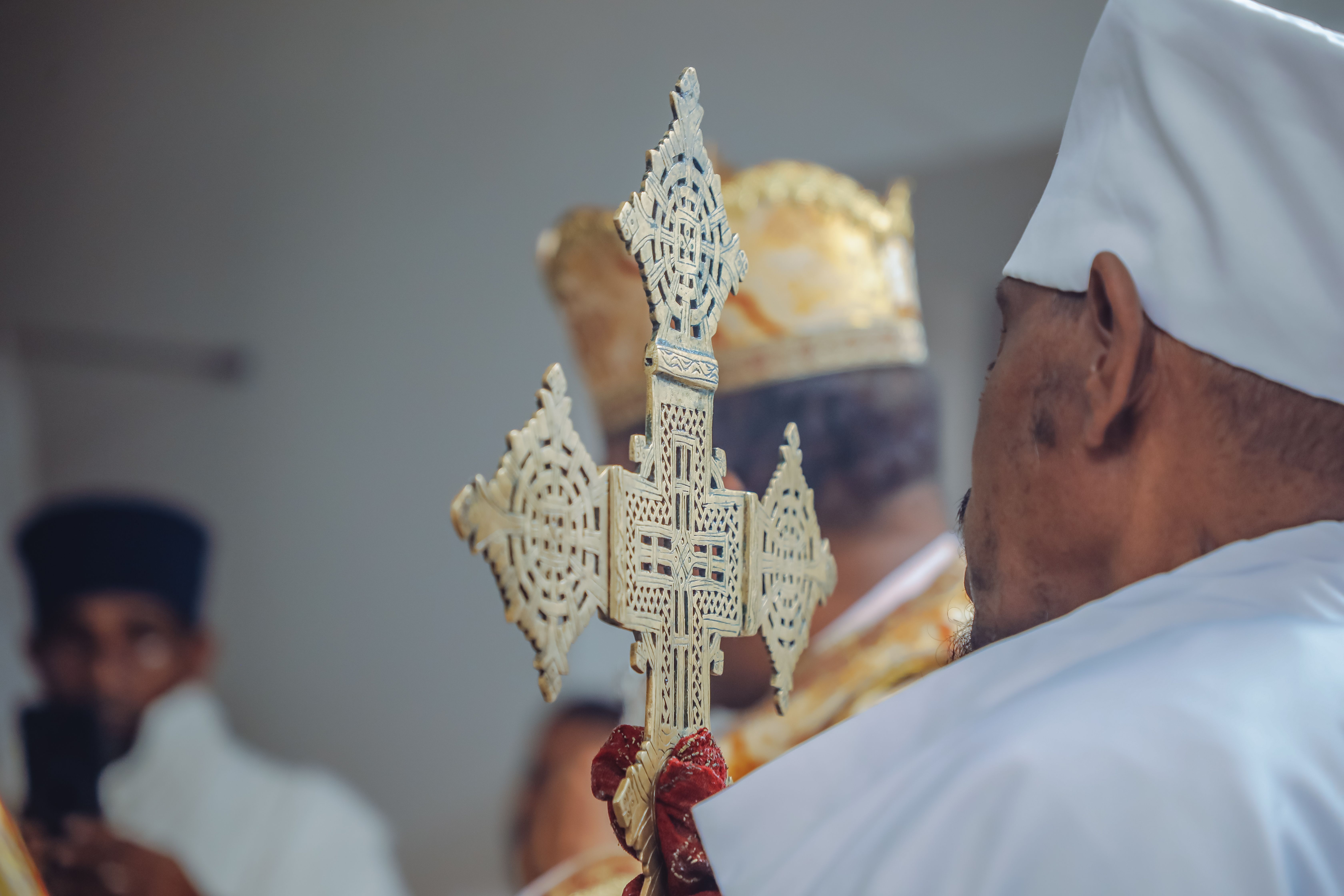
An Ethiopian priest holding an ornate cross during a church ceremony in Addis Ababa, Ethiopia.
Best Time to Visit · Addis Ababa

The Best Time to Visit Addis Ababa: A Season-by-Season Guide

At 2,355 meters, Ethiopia's capital trades tropical heat for spring-like days year-round. The real question is rain, not temperature.

Last updated June 26, 20267 min read

Addis Ababa sits high on the central Ethiopian plateau at roughly 2,355 meters (7,726 feet), one of the highest capital cities in the world. That altitude is the single most important fact about its climate: even though the city lies just north of the equator, the thin mountain air keeps daytime temperatures mild and nights genuinely cool all year. You will not sweat through a tropical heatwave here, and you may well want a jacket after dark.

Because temperature barely shifts, the calendar in Addis is driven almost entirely by rain. The year splits into a long dry season (roughly October to May), a short rainy spell that can flicker through February and March, and the heavy summer rains known as kiremt from June to September. Sunshine, road conditions, festival timing, and how green the surrounding highlands look all hinge on which side of that rain line you land.

Layer in Ethiopia's extraordinary religious calendar, which follows its own Julian-based system, and timing becomes a question of what you want to witness. Come for crisp blue skies and easy day trips, or come for Timkat and Meskel, two of the most spectacular Orthodox Christian celebrations on the continent.

Quick answer

The best time to visit Addis Ababa is October to February, during the dry season, when days are sunny and mild (around 23 to 25 C / 73 to 77 F) and the roads to nearby highland sights are at their best. This window also captures two of Ethiopia's greatest festivals, Meskel in late September and Timkat in mid-January.

At a glance

The short version

Best overall
October to February. Reliable sunshine, comfortable 23 to 25 C (73 to 77 F) days, dry roads for excursions, and the lush green left behind by the summer rains all overlap in these months.
Cheapest time
June to early September, the heavy rainy season. Hotel rates soften and flight demand drops; if you are happy to dodge afternoon downpours, this is the value window.
Fewest crowds
May and June, the shoulder either side of the rains. Festival travelers have gone home and the heavy kiremt rains keep numbers low, so museums, restaurants, and hotels feel relaxed.
Best weather
November to January, the heart of the dry season, with clear skies, low humidity, warm days near 24 C (75 F), and cool nights that can dip toward 7 to 10 C (45 to 50 F).
Best for festivals
Late September for Meskel and mid-January for Timkat, the two showpiece Orthodox celebrations, plus Ethiopian New Year (Enkutatash) on September 11.
Best for green landscapes
Late September to October, right after the rains, when the surrounding Entoto hills and highland day trips are at their most vivid green.
Season by season

Through the year

Main dry seasonOctober to February
Weather Warm, sunny days of 22 to 25 C (72 to 77 F) with very little rain. Nights are cool, often 6 to 10 C (43 to 50 F), and December and January can feel chilly after sunset at this altitude.
Crowds Peak season, especially around Timkat in January and the Christmas and New Year period. Hotels in the center can fill during festival weeks.
Prices Highest of the year for hotels and flights, particularly in January. Book festival-week accommodation well ahead.

This is the postcard version of Addis: blue skies, dry streets, and easy access to the Entoto hills and day trips. It suits first-time visitors and anyone combining the capital with a wider Ethiopia itinerary. Bring layers for the cold evenings.

Belg / short rainsFebruary to May
Weather Warming up, with the year's hottest stretch in March to May reaching 25 to 28 C (77 to 82 F) by day. Short, sometimes heavy afternoon showers appear, especially April and May.
Crowds Moderate and easing as the season wears on. Once the showers pick up in April and May, visitor numbers thin noticeably.
Prices Mid-range, drifting lower toward May as the rains build.

A transitional period of bright mornings broken by passing showers, with the warmest daytime temperatures of the year. Sightseeing is still comfortable if you plan around midday cloudbursts. Good for travelers who want decent weather without dry-season prices.

Kiremt / main rainsJune to September
Weather The wettest months, with frequent heavy afternoon and evening downpours and overcast skies. Days stay mild at 20 to 23 C (68 to 73 F); mornings often start clear before clouds build.
Crowds Lowest of the year. The rains deter most leisure travelers, leaving the city quiet outside of business visitors and the September festival run-up.
Prices Lowest hotel rates and the easiest flight deals, apart from the festival peak around Ethiopian New Year and Meskel in mid-to-late September.

Rain falls almost daily but rarely all day, so museums, cafes, and Addis's coffee culture come into their own. The highlands turn brilliant green, and the season ends with Enkutatash and Meskel. Pack a waterproof and an umbrella, and keep some schedule flexibility for muddy rural roads.

On the calendar

Notable events & festivals

Enkutatash (Ethiopian New Year), September 11Ethiopia's calendar New Year, marking the end of the rains with yellow Meskel daisies, singing children, family gatherings, and church services across the city.
Meskel, September 27 (September 28 in leap years)A UNESCO-listed festival celebrating the finding of the True Cross. A giant bonfire (the Demera) is lit in Meskel Square before huge crowds, with processions, chanting, and traditional dress.
Timkat (Ethiopian Epiphany), January 19 (January 20 in leap years)The most spectacular Orthodox celebration of the year, when replicas of the Ark of the Covenant are paraded under colorful umbrellas to water for a mass blessing and reenactment of Christ's baptism.
Genna (Ethiopian Christmas), January 7Ethiopian Orthodox Christmas, marked by all-night church services, white-robed worshippers, fasting that breaks with a celebratory feast, and a traditional hockey-like game also called genna.
Adwa Victory Day, March 2A national holiday commemorating Ethiopia's 1896 defeat of Italian forces at the Battle of Adwa, celebrated with parades and patriotic ceremonies.
When to avoid

There is no truly bad time, but July and August see the heaviest, most persistent rain, which can muddy rural roads and disrupt day trips and onward travel into the highlands. If your trip depends on overland excursions or clear skies, skip the deep kiremt months.

Got your dates? Build the trip around them.

We'll plan a custom Addis Ababa itinerary tuned to your travel month and pace.

Generate itinerary

Frequently asked questions

What is the cheapest month to visit Addis Ababa?
July and August, during the heavy summer rains, bring the lowest hotel rates and the softest flight demand. The trade-off is frequent afternoon downpours, though mornings are often dry and bright.
Is Addis Ababa worth visiting in the rainy season?
Yes, if you are comfortable with daily showers. The rains mostly fall in the afternoon and evening, leaving plenty of time for museums, churches, and Ethiopia's renowned coffee houses, while the surrounding highlands turn lush and green and prices stay low.
How many days do you need in Addis Ababa?
Two to three days is enough to see the National Museum (home to Lucy), Holy Trinity Cathedral, Meskel Square, the Ethnological Museum, and Merkato, with time for a coffee ceremony and a half-day trip up to the Entoto hills.
What is the weather like in Addis Ababa year-round?
Thanks to its high altitude, Addis stays spring-like all year, with daytime highs of roughly 20 to 28 C (68 to 82 F) and cool nights that can fall to 6 to 10 C (43 to 50 F). The big variable is rain, not temperature, with the heaviest falling from June to September.
When is the best time to see Ethiopian festivals in Addis Ababa?
Aim for mid-to-late September for Enkutatash and Meskel, or mid-January for Genna and Timkat. Timkat in particular, around January 19, is the most visually dramatic and draws large, joyful crowds to the city's churches and water sites.

Addis Ababa rewards travelers who time their visit to the dry, sunny months of October to February, especially anyone who can fold in Meskel or Timkat. But thanks to its mile-high climate, the city is comfortable to explore in nearly any season, so let your priorities, festivals, value, or clear highland skies, guide the dates and start mapping your trip.

Plan with MagicTrips

Build your own Addis Ababa trip

Tell us how many days, your budget, and what you're into. We'll turn it into a custom, day-by-day Addis Ababa itinerary.

Ready to book your stay?

Hotels
Homes

Traveling somewhere else?

Generate a custom itinerary