
The 8 Best Small Towns in Japan to Visit in 2027

From thatched-roof villages in the Japan Alps to canal-laced merchant quarters and steaming hot-spring streets, these are the small towns worth building a 2027 trip around.
Last updated June 22, 2026
The 8 Best Small Towns in Japan to Visit in 2027
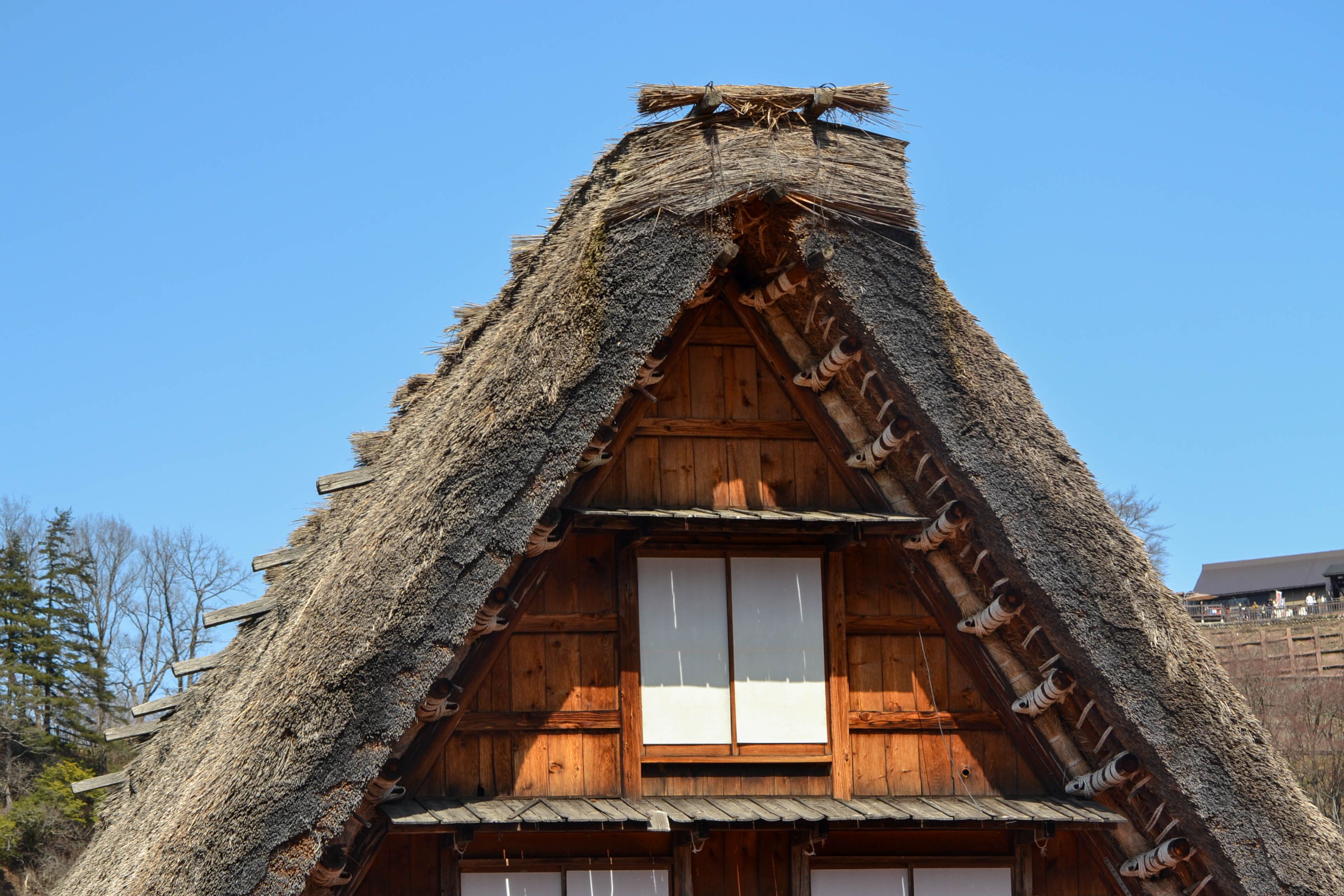
Close-up of a Gassho-Zukuri thatched roof house with a clear blue sky background. · Ignacio Estevo

Japan's big cities get the headlines, but the country's quiet magic lives in its small towns: wooden merchant streets that have barely changed in two centuries, hot-spring lanes where everyone walks around in cotton yukata, and mountain hamlets buried under winter snow. These are the places where you slow down, eat extraordinarily well, and actually talk to the people who live there.

This list ranks eight real, currently open small towns that reward the detour in 2027, balancing famous names with quieter finds. Each one is reachable from a major hub by train, bus, or an easy drive, so you can fold them into a wider itinerary or use them as an overnight escape.

We've noted what makes each town special, the specific things to see and eat, who each suits best, and how to get there. Book accommodation early for the headline spots: the best ryokan in places like Kinosaki and Shirakawa-go sell out months ahead, especially around cherry blossom and autumn-leaf season.

1
Takayama
TakayamaHida region, Gifu Prefecture, central Japan Google
Tucked in the mountains of the old Hida province, Takayama keeps one of Japan's best-preserved Edo-era townscapes in its Sanmachi district, a grid of dark-wood merchant houses now filled with sake breweries, craft shops, and cafes. Mornings start at the riverside Miyagawa market, where farmers sell pickles, apples, and miso, and the town's twice-yearly festival floats are among the most ornate in the country. The local specialty is Hida beef, served as sushi, on skewers, or grilled at long-running restaurants around the old town. It works beautifully as a base for the wider Japan Alps and pairs naturally with Shirakawa-go.
  • Sanmachi Suji old merchant streets
  • Hida beef sushi and skewers
  • Miyagawa morning market
  • Takayama Jinya, the former government house
Best for: first-time visitors wanting traditional Japan plus great food
Getting there: About 2.5 hours by limited express train from Nagoya, or roughly 4.5 hours from Tokyo via Nagoya
2
Shirakawa-go
Shirakawa-goOno District, Gifu Prefecture, central Japan Google
This UNESCO World Heritage village is famous for its gassho-zukuri farmhouses, steep thatched roofs built to shed heavy mountain snow, some of them more than 250 years old. The Ogimachi hamlet is the largest and most accessible, with a hillside viewpoint that frames the whole valley, postcard-perfect when the rice paddies are green or under deep winter snow. Several houses are open as museums and a handful operate as family-run minshuku, so you can stay overnight after the day buses leave and have the lanes almost to yourself. Time a winter visit around one of the scheduled evening light-up events for the village's most photographed scene.
  • Ogimachi gassho-zukuri farmhouses
  • Shiroyama viewpoint over the valley
  • Overnight stay in a thatched-roof minshuku
  • Winter illumination evenings
Best for: photographers and travelers chasing classic rural Japan
Getting there: About 50 minutes by bus from Takayama, or 1.25 hours by bus from Kanazawa
3
Kinosaki Onsen
Kinosaki OnsenNorthern Hyogo Prefecture, near the Sea of Japan Google
Kinosaki is the platonic ideal of a Japanese hot-spring town: a willow-lined canal, arched stone bridges, and a single main street where guests pad between seven public bathhouses in yukata and wooden geta sandals. The tradition here is sotoyu meguri, bath-hopping from one onsen to the next, with your ryokan stay including a pass to all of them. Between soaks, the town is known for snow crab in winter and local Tajima beef, eaten in cozy restaurants and at street stalls. It is one of the most atmospheric overnight stops in western Japan, especially when the lanes glow with lanterns after dark.
  • Seven public bathhouses on one pass
  • Snow crab dinners in winter
  • Strolling the canal in yukata at night
  • Side trip up the cliffside Genbudo basalt caves
Best for: a relaxed onsen overnight
Getting there: About 2.5 hours by limited express train (Kinosaki Express) from Kyoto or Osaka
4
Tsumago and Magome
Tsumago and MagomeKiso Valley, Nagano and Gifu Prefectures Google
4.3 · 7,801 reviews
These two former post towns sat on the Nakasendo, the Edo-era highway between Kyoto and Tokyo, and both have been carefully restored to ban visible power lines and cars from their main streets. The real draw is walking the roughly 8-kilometer trail between them, an easy half-day hike through cedar forest, past waterfalls, and over a ridge with views of the valley. Tsumago is the more pristine of the pair, with its dark wooden inns and a luggage-forwarding service that lets you walk one-way unencumbered. Stop for gohei mochi, pounded rice cakes glazed with sweet walnut-miso sauce and grilled over charcoal.
  • Nakasendo trail walk between the towns
  • Preserved post-town streets of Tsumago
  • Gohei mochi rice cakes
  • Magome's hillside main street and viewpoints
Best for: walkers and history lovers
Getting there: Reach Nagiso (for Tsumago) by train from Nagoya in about 1.5 hours, then a short local bus
5
Kurashiki
KurashikiOkayama Prefecture, western Honshu Google
Kurashiki's Bikan historical quarter is a beautifully kept canal district of white-walled storehouses that once held rice and cotton, now home to cafes, craft shops, and small museums. You can drift along the willow-fringed canal in a flat wooden boat, then visit the Ohara Museum of Art, Japan's first museum of Western art, with works by El Greco, Monet, and Picasso. The wider area is the heart of Japan's denim industry, and nearby Kojima draws shoppers for premium selvedge jeans. It is an easy, walkable half-day that slots neatly between Okayama and Hiroshima.
  • Bikan canal boat ride
  • Ohara Museum of Art
  • Restored storehouse cafes and shops
  • Kojima denim shopping nearby
Best for: art and design lovers, an easy cultured stop
Getting there: About 15 minutes by train from Okayama, which is roughly 45 minutes by bullet train from Hiroshima
6
Hakone
HakoneKanagawa Prefecture, about 85 km southwest of Tokyo Google
Hakone is the classic mountain escape from Tokyo, a spread of hot-spring hamlets, lakes, and forested hills with Mount Fuji views on clear days. A fun loop strings together a switchback mountain railway, a cable car over the steaming sulfur vents of Owakudani, and a boat across Lake Ashi past the red torii gate of Hakone Shrine. The valley is also packed with worthwhile museums, including the open-air sculpture park and the Hakone Open-Air Museum's Picasso collection. Stay overnight in a ryokan with a private hot-spring bath to get the best of it once the day-trippers leave.
  • Owakudani volcanic valley and black eggs
  • Lake Ashi cruise and Hakone Shrine torii
  • Hakone Open-Air Museum
  • Riverside ryokan onsen stays
Best for: a Mount Fuji and onsen day trip or overnight from Tokyo
Getting there: About 85 minutes by Romancecar limited express from Shinjuku to Hakone-Yumoto
7
Ine
IneNorthern tip of the Tango Peninsula, Kyoto Prefecture Google
Ine is a fishing village built right onto the water, with around 230 funaya, traditional boathouses whose ground floors open directly to the sea so families could moor boats beneath their living quarters. Seen from a tour boat or the hillside lookout, the row of wooden houses curving around the calm bay is unlike anywhere else in Japan. The catch here is exceptional, and a few funaya now operate as guesthouses and seafood restaurants where you eat what came in that morning. It takes effort to reach, which is exactly why it stays quiet and feels genuinely lived-in.
  • Funaya boathouses lining the bay
  • Sightseeing boat or sea-taxi tour
  • Fresh seafood lunch over the water
  • Overnight in a converted boathouse
Best for: off-the-beaten-path travelers and seafood lovers
Getting there: About 2.5 to 3 hours from Kyoto by limited express to Amino or bus, then a local bus to Ine
8
Otaru
OtaruHokkaido, about 30 km northwest of Sapporo Google
Once Hokkaido's busiest herring port and a center of trade, Otaru kept its stone warehouses and the gaslit Otaru Canal, which is at its most romantic in the evening and during the winter snow-light festival. The main street is a parade of glass studios, music-box workshops, and old bank buildings now used as cafes, while the harbor delivers some of the freshest sushi in Japan, eaten along the aptly named Sushi Street. In summer the air is crisp and the canal walk is pleasant; in winter the whole town turns into a snow-globe version of itself. It is an easy and rewarding half-day or overnight from Sapporo.
  • Otaru Canal and stone warehouses
  • Sushi Street for ultra-fresh nigiri
  • Glass and music-box workshops on Sakaimachi street
  • February Snow Light Path festival
Best for: a scenic half-day or winter trip from Sapporo
Getting there: About 30 to 45 minutes by rapid train from Sapporo

Good to Know

When to go Cherry blossom (late March to April) and autumn foliage (late October to November) are spectacular but crowded and pricey. Winter is the time for Shirakawa-go's snow and Otaru's light festival, while early summer brings green rice paddies and fewer crowds.
Getting around A Japan Rail Pass can pay off if you string several towns together, but for regions like the Japan Alps and the Tango Peninsula you'll rely on local buses, so check timetables in advance since rural services are infrequent.
Book ryokan early The best inns in Kinosaki Onsen, Shirakawa-go, and Hakone fill months ahead for weekends and peak seasons. Reserve as soon as your dates are firm, and note many rural minshuku prefer phone or email bookings.
Carry cash Small towns, family-run restaurants, and bathhouses often don't take cards. Withdraw yen at a 7-Eleven or post office ATM in a larger city before heading into the countryside.
Onsen etiquette Wash and rinse thoroughly before entering the bath, keep your small towel out of the water, and check tattoo policies ahead of time, as some public baths still restrict them.

Japan's small towns are where the country slows down enough to really show itself, in a bowl of just-caught sushi, a soak under falling snow, or a quiet walk along an old highway. Pick two or three that suit your season and route, book the good inns early, and let these towns anchor a 2027 trip that goes well beyond the big-city checklist.

Ready to book your trip?

Search Hotels
Search Homes

Traveling somewhere else?

Generate a custom itinerary