Vibe & first impressions
São Paulo hits you as endless: a horizon of towers, helicopters overhead, traffic that bends time. It feels like a global business capital crossed with a hyper-creative underground, and it takes a day or two to click. Once it does, neighborhoods like Vila Madalena, Pinheiros, and Jardins feel like a city you could actually live in.
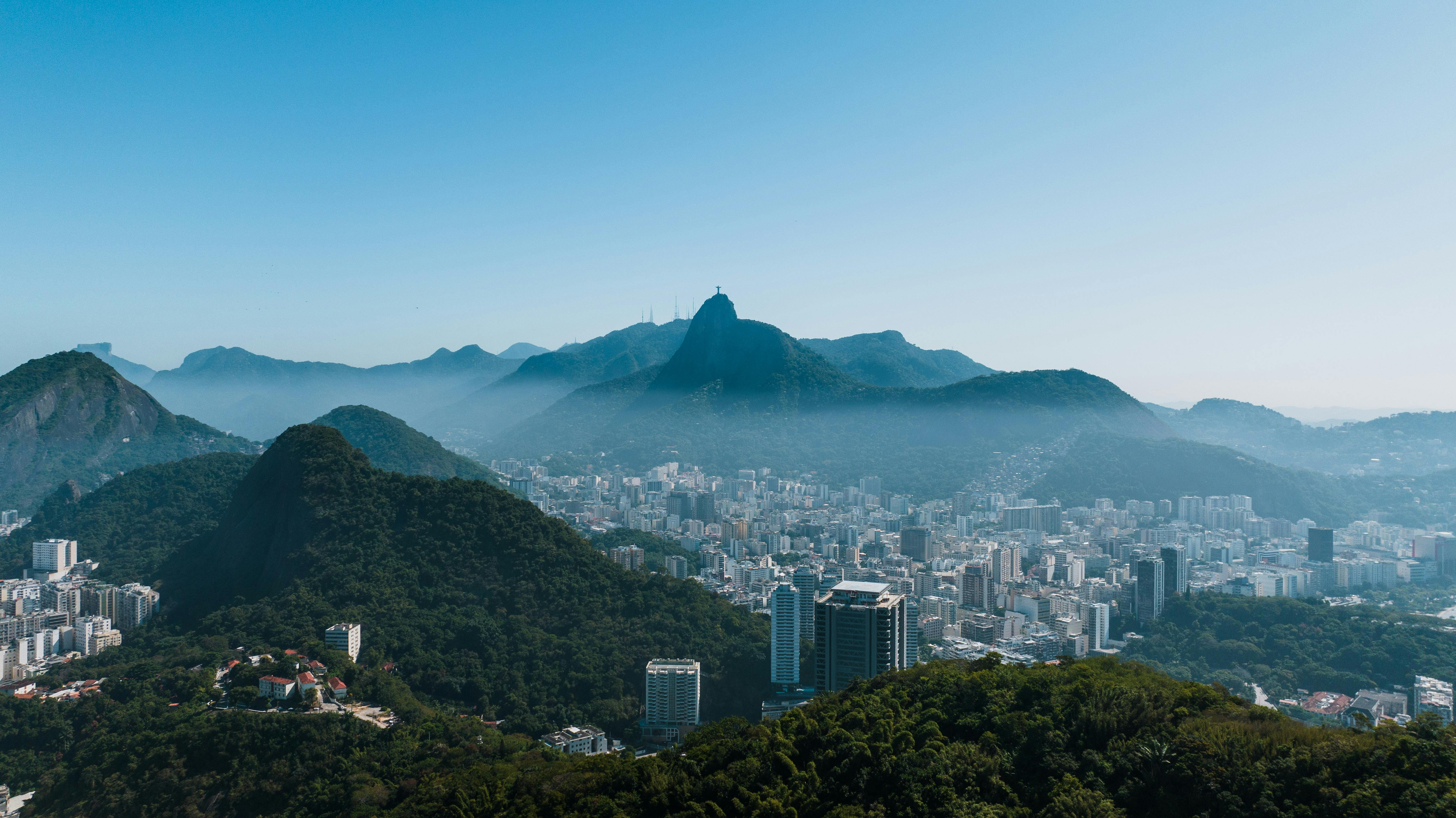
Rio is instantly cinematic. From the moment you see Sugarloaf and the curve of the bay, the geography does the heavy lifting. Life is lived outdoors and the mood is loose, sun-soaked, and sociable, though the postcard sits alongside visible inequality and a need for street smarts.
Things to do
São Paulo is about culture and consumption: MASP on Avenida Paulista with its iconic glass-suspended canvases, the Pinacoteca, Ibirapuera Park, the street art of Beco do Batman, and a deep bench of museums and design. There is no single must-see, which is precisely the point, you build your own itinerary.
Rio front-loads world icons: Christ the Redeemer atop Corcovado, the cable car up Sugarloaf (Pão de Açúcar), hang-gliding over São Conrado, the Selarón Steps, and hikes up Pedra Bonita or Dois Irmãos. You can knock out a bucket list in three or four days.
Beaches
São Paulo has no real beach; the city sits inland on a plateau. The nearest coast (Guarujá or the surf town of Maresias) is a two to three hour drive, so beach days are a deliberate excursion, not a daily ritual.
This is Rio's trump card. Copacabana, Ipanema, and Leblon are genuine city beaches woven into daily life, plus wilder stretches at Prainha and Grumari. Sunset at the Arpoador rock, with the crowd applauding the sun, is one of the great free experiences in travel.
Food & nightlife
São Paulo is the undisputed gastronomic capital of South America, home to acclaimed restaurants like A Casa do Porco and a staggering range from Japanese (the largest Japanese community outside Japan) to regional Brazilian. Nightlife runs deep and late: serious cocktail bars, warehouse clubs, and a queer scene with no equal in Brazil.
Rio's pleasure is casual and atmospheric: ice-cold chopp at a Botafogo botequim, feijoada on Saturday, street samba at Pedra do Sal and in Lapa under the Arcos. The food is good and fun rather than cutting-edge, and the nightlife favors live music and spontaneous open-air parties over curated rooms.
Cost
Roughly on par with Rio, sometimes pricier at the top end given the restaurant scene, but business hotels often discount hard on weekends. You spend on dining and taxis more than on attractions, many of which are cheap or free.
Similar overall, with beachfront Zona Sul hotels (Copacabana, Ipanema) commanding a premium in high season. Budget travelers do fine in Santa Teresa or Botafogo, and the beach itself costs nothing.
When to go
Pleasant most of the year, though it rains often and the winter months (June to August) can be grey and surprisingly chilly. There is no single peak; the city works as a destination year-round.
Rio is best from roughly September to November and again in autumn (March to May), avoiding the brutal humidity peaks. Carnival (February or March, dated by Easter) and New Year's Eve on Copacabana are spectacular but book out months ahead at premium prices.
Getting there & around
Guarulhos (GRU) is Brazil's main international gateway with the widest global connections. The metro is clean and useful across the core, but the city's size means you will rely on rideshare, and traffic is legendary.
Galeão (GIG) handles international flights and Santos Dumont (SDU) handles the quick São Paulo shuttle. The metro links the key tourist zones (Centro to Ipanema/Copacabana) efficiently, and rideshare covers the rest; the air bridge between the two cities runs all day.
Safety & street smarts
A big-city caution applies: keep valuables low-key, use rideshare at night, and stick to busier areas. It feels less exposed than Rio in many ways because tourist life is spread across well-off neighborhoods.
Rio demands more vigilance, especially on beaches (don't leave belongings unattended), at night, and around the boundaries of favela areas. Most visits are trouble-free with sensible habits, but the gap with São Paulo is real and worth planning around.
Day trips
Strong options inland and coastal: the colonial coast at Paraty (gorgeous, around four to five hours), beach towns of the Litoral Norte, and the wine and mountain region of the interior.
Rio's surroundings are stunning: the imperial mountain town of Petrópolis, the beaches and islands of Búzios and Ilha Grande, and Paraty shared with São Paulo. The scenery rarely lets up.