Vibe & first impressions
Seville is grand, confident, and golden, a regional capital that feels made for promenading. The Guadalquivir riverside, horse carriages, and orange-tree-lined plazas give it an operatic, romantic glamour, and it is noticeably bigger and busier than Granada.
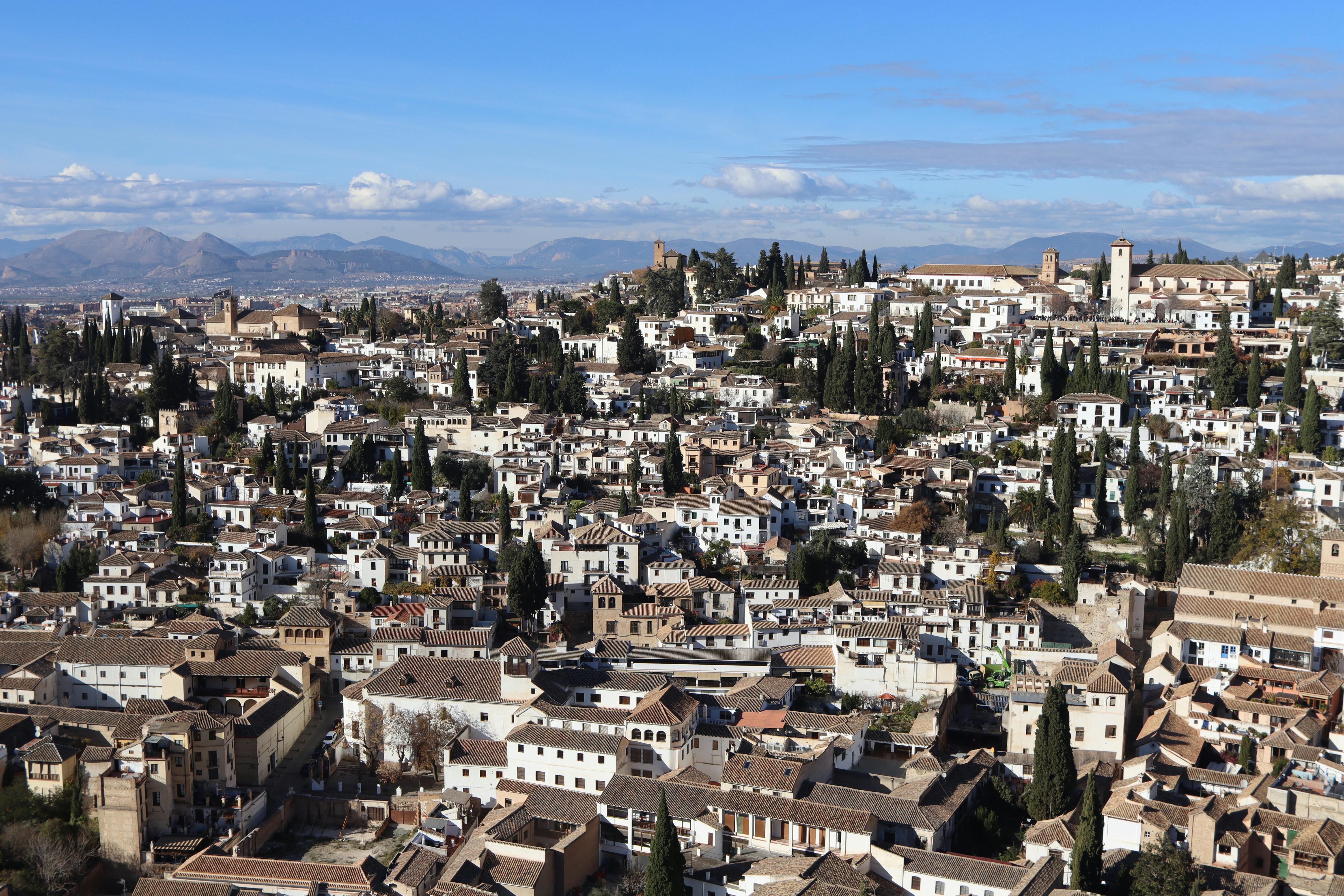
Granada is smaller, hillier, and more atmospheric, with a faintly bohemian, countercultural streak from its big student population. The Albaicin's tangled white lanes and the ever-present silhouette of the Alhambra against the mountains give it a moodier, more mysterious feel.
Headline sights
Seville's trio is hard to beat: the vast Gothic Cathedral with the Giralda bell tower, the lavish Real Alcazar with its Mudejar palaces and gardens, and the show-stopping Plaza de Espana. The Metropolitan Parasol (Las Setas) and the Triana district round it out.
Granada is essentially defined by one of the greatest monuments in Europe: the Alhambra, with the Nasrid Palaces, Generalife gardens, and Alcazaba. Add the cave-dotted Sacromonte, the Albaicin viewpoint at Mirador de San Nicolas, and the Royal Chapel where Ferdinand and Isabella are buried.
Booking & logistics for the big sight
Seville's main sites get busy, but you can often book the Alcazar and Cathedral a week or two out, and the city spreads its crowds across several attractions rather than one bottleneck.
The Alhambra requires planning: timed Nasrid Palace tickets sell out weeks ahead in high season and over holidays, so book as early as you can. Without a ticket you will miss the single best reason to come, so treat this as non-negotiable.
Food & tapas culture
Seville is a tapas heavyweight with countless bars, but you generally pay for each plate. The quality and variety are superb (think espinacas con garbanzos, jamon, fried fish), and the dining scene feels more polished and abundant.
Granada keeps one of Spain's best traditions alive: order a drink and a free tapa arrives, often generous enough that a few rounds become dinner. It is fantastic value and great fun, though you have less control over exactly what you get.
Flamenco & nightlife
Seville is the spiritual home of flamenco, with serious tablaos and an intimate scene in Triana, plus lively riverside bars and a long, late evening culture. Nightlife is broad and energetic.
Granada's flamenco has its own draw in the Sacromonte caves, raw and atmospheric, and the student population keeps cheap bars buzzing late. It is more youthful and scruffy-cool than glamorous.
Cost
Seville trends slightly pricier across hotels, dining, and attractions, simply because you pay per tapa and demand is high. It is still affordable by Western European standards.
Granada is one of the best-value cities in Spain thanks to free tapas and a cheaper overall scene, helped by the student economy. Your euro stretches noticeably further here.
When to go & weather
Spring (April-May, including the famous Feria de Abril and Semana Santa) and autumn are glorious. Summer is brutal, with Seville regularly among the hottest cities in Europe at 40C-plus, making midday sightseeing punishing.
Granada sits at altitude near the Sierra Nevada, so summers are hot but evenings cool down more, and winters are genuinely cold with snowy mountains nearby (skiing is an hour away). Spring and autumn are ideal.
Getting there & around
Seville has its own international airport, high-speed AVE trains to Madrid in around 2.5 hours, and a flat, walkable, bike-friendly center. It is the easier hub to reach and move around.
Granada's airport is smaller with fewer connections, and rail links are improving but less central; many arrive by bus or via Seville/Malaga. The city is hilly, so the Albaicin and Alhambra mean real climbs.
Day trips
Seville is a great base for Cordoba (45 minutes by train, with the Mezquita), the white town of Carmona, and the sherry country around Jerez. Connections are excellent.
Granada offers the Sierra Nevada mountains, hiking and skiing, and the dramatic Alpujarras villages. The nature is the standout, though intercity transport is a bit slower.