Vibe & first impressions
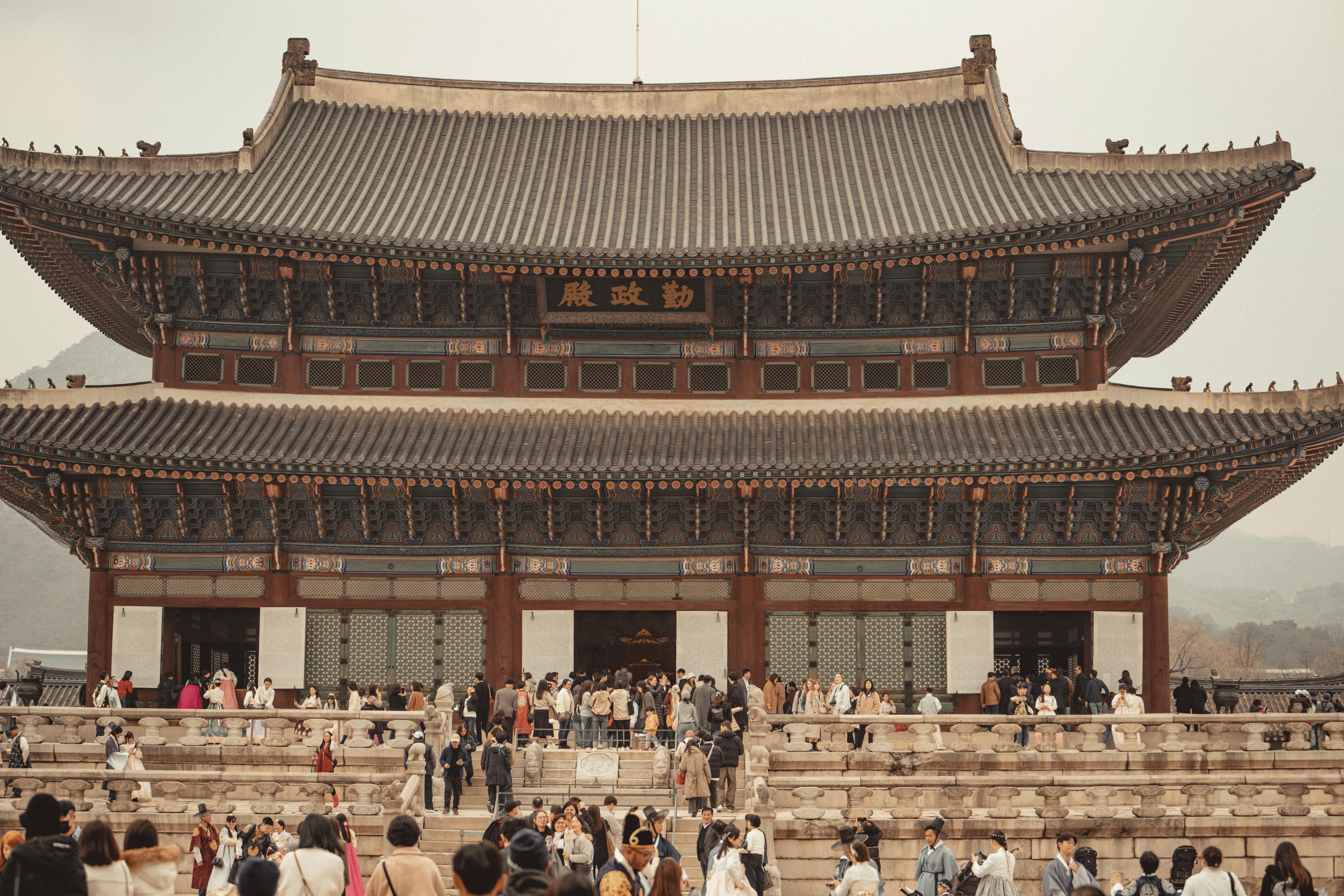
Seoul feels limitless and layered: Joseon-era palaces like Gyeongbokgung sit minutes from the hyper-modern towers of Gangnam and the trendy cafes of Seongsu. It is fast, fashion-conscious, and densely packed, with energy that runs from dawn temple visits to 4am in Hongdae.
Busan is looser and more laid-back, shaped by the sea and the mountains it climbs over. The pastel hillside houses of Gamcheon Culture Village, the working bustle of Jagalchi Fish Market, and the beach-town ease of Haeundae give it a friendly, unpretentious feel that locals are proud of.
Things to do
Seoul is stacked: tour Gyeongbokgung and Changdeokgung's Secret Garden, hike Bukhansan or Inwangsan, browse Bukchon Hanok Village, shop Myeongdong and Dongdaemun, and ride up N Seoul Tower on Namsan. You could spend a week and not run out of distinct neighborhoods.
Busan trades quantity for scenery: the seaside Haedong Yonggungsa temple, the Gamcheon village murals, the coastal Igidae and Oryukdo walking trails, and the Songdo and Gwangan cable-car and bridge views. There is plenty, but it is more spread out and more about atmosphere than ticking off monuments.
Beaches
Seoul is landlocked and has no real beaches; the Han River parks (Yeouido, Ttukseom) are the closest thing, good for picnics, bike rides, and ferry cruises but not for swimming or sunbathing.
This is Busan's trump card. Haeundae is the famous wide arc of sand backed by skyscrapers, Gwangalli offers a buzzing cafe-and-bar strip facing the illuminated Diamond Bridge, and quieter Songjeong draws surfers. Summer here is a genuine beach holiday.
Food & nightlife
Seoul's dining is endless and global: Michelin-starred Korean fine dining, Gwangjang Market's bindaetteok and mayak gimbap, Korean barbecue in every district, and nightlife from Hongdae's student bars to Itaewon and upscale Gangnam clubs. It is the country's nightlife capital, full stop.
Busan is seafood heaven: raw fish (hoe) at Jagalchi, dwaeji gukbap (pork soup) that is the city's signature dish, and ssiat hotteok street pancakes in Nampo. Nightlife centers on Gwangalli and Seomyeon, lively and fun but mellower and less sprawling than Seoul's.
Cost
Seoul is the pricier of the two, especially for accommodation in central areas like Myeongdong, Hongdae, or Gangnam. Food can still be cheap at markets, but hotels, drinks, and attractions add up faster.
Busan is noticeably more affordable for lodging and dining, even for beachfront stays outside peak summer. Your won stretches further here, which makes it appealing for longer, slower trips.
When to go
Seoul shines in spring (cherry blossoms in early April) and autumn (vivid foliage in October-November). Summers are hot and humid with monsoon rain, and winters are cold but atmospheric, with palaces under snow.
Busan's coastal climate is milder year-round, and summer is its peak season when the beaches fill up and the Sea Festival runs. Early October brings the Busan International Film Festival; spring and autumn are comfortable, and winters are gentler than Seoul's.
Getting there & around
Seoul is served by Incheon, one of the world's best airports, and has an enormous, cheap, English-friendly metro that reaches nearly everywhere. It is the natural arrival point for most international visitors.
Busan has Gimhae International Airport with growing regional connections, plus the KTX from Seoul in about 2.5 hours. Its metro is smaller, so you will lean more on buses, taxis, and the occasional longer ride between spread-out sights.
Day trips
From Seoul you can reach the DMZ and JSA, the folk village and fortress at Suwon (Hwaseong), Nami Island, and the ski-and-hike country around Gangwon. The high-speed rail network makes much of the country accessible.
Busan is the gateway to the southeast: historic Gyeongju (the ancient Silla capital with Bulguksa temple) is about an hour away, and the temples and coastline around Tongyeong and Geoje are within reach for a scenic escape.