Vibe & first impressions
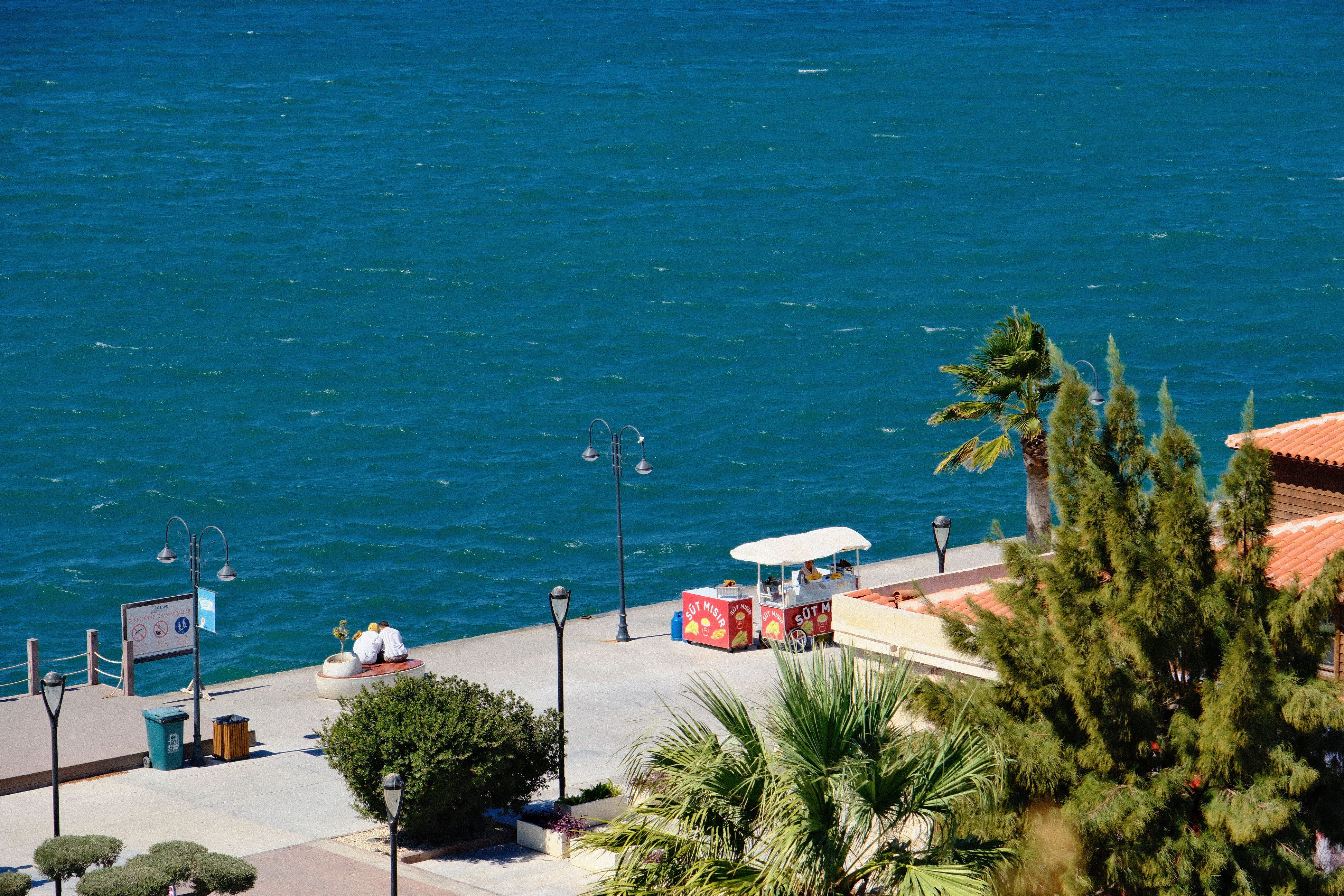
Saranda is a horseshoe bay lined with a long seafront promenade, palm trees, and tiers of white apartment blocks climbing the hillside. In summer it is lively and holiday-minded; out of season it can feel half-asleep, with many restaurants shuttered.
Tirana feels alive year-round, a chaotic but charming capital of painted building facades, leafy boulevards, and packed cafe terraces around Blloku and Skanderbeg Square. It is grittier and more urban than Saranda, with constant construction and genuine local rhythm rather than a tourist bubble.
Things to do
The real draw is using Saranda as a base: the spectacular UNESCO-listed ruins of Butrint, the Blue Eye spring, Lekuresi Castle above town, and the beaches of Ksamil just south. The town itself is mostly about strolling the promenade and swimming.
Tirana packs in proper sightseeing: the haunting Bunk'Art bunker museums, the House of Leaves surveillance museum, the National History Museum, the Pyramid of Tirana (now a striking redesigned cultural space), and the Dajti Express cable car for mountain views. It rewards a couple of full days of wandering.
Beaches
This is Saranda's trump card. The town has small beaches, but nearby Ksamil offers some of Albania's most photographed turquoise water and white pebble coves, plus countless Riviera beaches reachable along the coast road. Swimming is the whole point.
Tirana has no beach at all. The nearest coast is around Durres, roughly an hour away by car or train, and its long sandy beaches are decent but far less scenic than the Ionian south. For a sea holiday, the capital is the wrong choice.
Food & nightlife
Saranda excels at fresh seafood and grilled fish eaten with a sea view, plus casual beach-bar drinking through the summer. Nightlife is seasonal and breezy rather than serious clubbing, concentrated along the waterfront.
Tirana has the country's best and most varied dining, from traditional Albanian taverns to modern bistros and international kitchens. The Blloku district is the nightlife heart, with cocktail bars, wine bars, and clubs that stay busy well past midnight, all year.
Cost
Generally cheap, but summer pushes seafront accommodation and restaurant prices up, and Ksamil in peak August can feel pricey for Albania. Shoulder season is excellent value.
Tirana offers strong value on food, coffee, and mid-range hotels, with consistent prices year-round rather than seasonal spikes. Your euro stretches a long way, especially for restaurant meals and entertainment.
When to go
Strictly a warm-weather destination: June to September for swimming and full energy, with late May and late September as sweet spots. Winter is quiet and many businesses close.
A true year-round city. Spring and autumn are ideal for comfortable sightseeing, summer is hot but lively, and even winter keeps its cafe and museum culture going, just bring a jacket.
Getting there & around
There is no airport; most arrive by long bus from Tirana (around 4 to 5 hours) or by ferry from Corfu, a quick and scenic 30 to 90 minute crossing. Once there, you walk the town, but reaching Butrint, the Blue Eye, and Ksamil means buses, taxis, or a rental car.
Tirana has Albania's main international airport (Nene Tereza), making it the easy entry point to the country. The compact center is walkable, ride-hailing apps are cheap, and it is the natural hub for onward buses and car trips anywhere else.
Day trips
Outstanding for exploring the deep south: Butrint, the Blue Eye, Gjirokaster's stone Ottoman old town, Himara and the Riviera beaches, plus the Corfu ferry for a Greek island day.
Good launchpad for central Albania: the UNESCO city of Berat with its hillside houses, ancient Kruja and its castle and bazaar, Durres on the coast, and Dajti mountain just above town.