
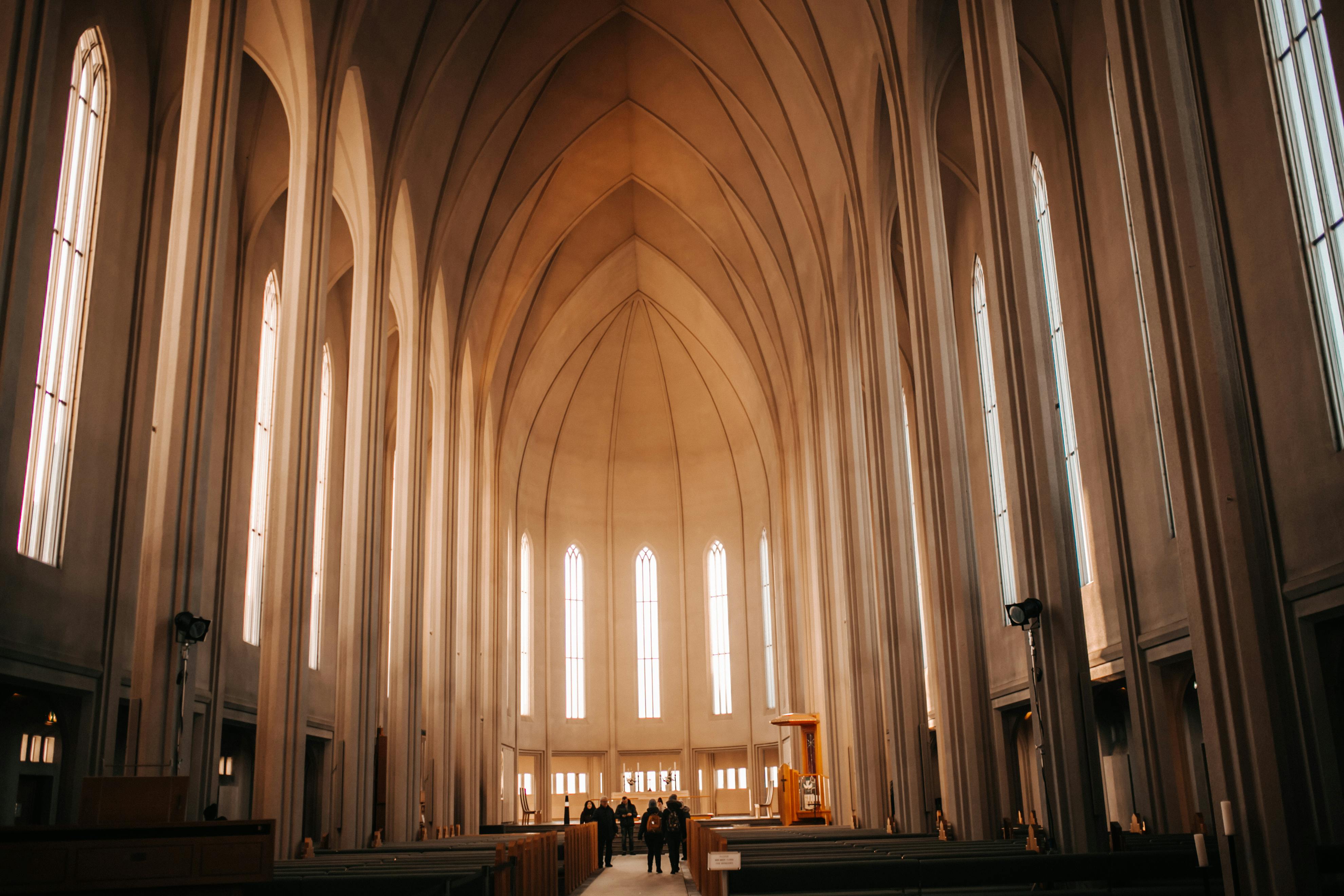
Reykjavík is a small city that punches far above its weight. Home to roughly two-thirds of Iceland's population yet still compact enough to cross on foot in an afternoon, it mixes corrugated-iron houses painted in primary colors, a serious coffee culture, and one of the most ambitious restaurant scenes per capita anywhere. Above it all rises Hallgrímskirkja, the rocket-shaped church that doubles as the city's compass point.
The name means "Smoky Bay," a nod to the geothermal steam the first Norse settlers saw rising from the ground around 874 AD. That same heat still warms the swimming pools, melts the snow off sidewalks, and powers the city with clean energy. Reykjavík is where Icelanders socialize: in the hot pots, the bookshops, the late-night bars of Laugavegur, and over endless cups of coffee against the wind.
Most travelers use Reykjavík as a launchpad for waterfalls, glaciers, and the northern lights, and it is an excellent one. But give the city itself a couple of unhurried days and you will find it has real personality: a love of design and literature, a deadpan sense of humor, and an outsized appetite for good food and wild weather.
Summer (June to August) brings the midnight sun, mild temperatures around 10-15°C, and almost endless daylight, ideal for road trips and long evenings, but also peak crowds and prices. The shoulder months of May and September offer thinner crowds, decent weather, and in September the return of darkness enough to catch the aurora. Winter (late September to March) is cold, dark, and dramatic: the best window for northern lights, though storms can disrupt tours. Time a visit around Iceland Airwaves music festival in early November or the Winter Lights Festival in February if you want the city at full tilt.
Keflavík International Airport sits about 45 minutes southwest of the city. The Flybus and Airport Direct coaches run to Reykjavík hotels and the BSÍ terminal for a fair price; a taxi costs considerably more. The city center is best explored on foot, and almost everything of interest sits within a 20-minute walk. Strætó city buses cover wider areas (use the Klappið app to pay), and ride-hail is limited, so taxis (Hreyfill) are the backup. If you plan day trips, renting a car gives you the most freedom; otherwise booked tours handle the driving.
Neighborhoods & hotels


Skip the research, get a day-by-day Reykjavík plan
Tell us your dates and pace; we'll build the itinerary around these picks.
Best Coffee Shops
Icelanders drink a staggering amount of coffee, and Reykjavík's cafes are warm refuges from the wind as much as caffeine stops.


Where to Eat Breakfast and Brunch


Where to Eat Dinner
Reykjavík dining leans on impeccable seafood, lamb, and skyr, often with a New Nordic creativity. Prices are high across the board, so plan accordingly.


Bars and Nightlife
Reykjavík's nightlife is famously social and starts late; locals warm up at home before heading out around midnight on weekends.
Top Things to Do in the City


Day Trips Worth Taking
Reykjavík's biggest draw may be everything within a couple of hours' drive. These are the classics.
Markets and Shopping
Before you visit
Plan-ahead checklist
Reykjavík rewards travelers who slow down: soak in a neighborhood hot pot, follow the smell of cinnamon to a bakery, and let the weather do its dramatic thing. With waterfalls, lava fields, and the aurora all an easy drive away, the city is both a destination and the perfect base for the wild island around it. Pack a waterproof and go.
Top-Rated Places to Eat, See & Stay
Explore Reykjavík
Build your own Reykjavík trip
Tell us how many days, your budget, and what you're into. We'll turn it into a custom, day-by-day Reykjavík itinerary.